
Sourcing & OEM
From Golden Sample to Mass Production: The Factory Quality Inspection Checks to Write Into Your PO
The first-article, AQL and pre-shipment checks to write into a purchase order — real sample sizes, accept/reject numbers and carton tests for food containers.
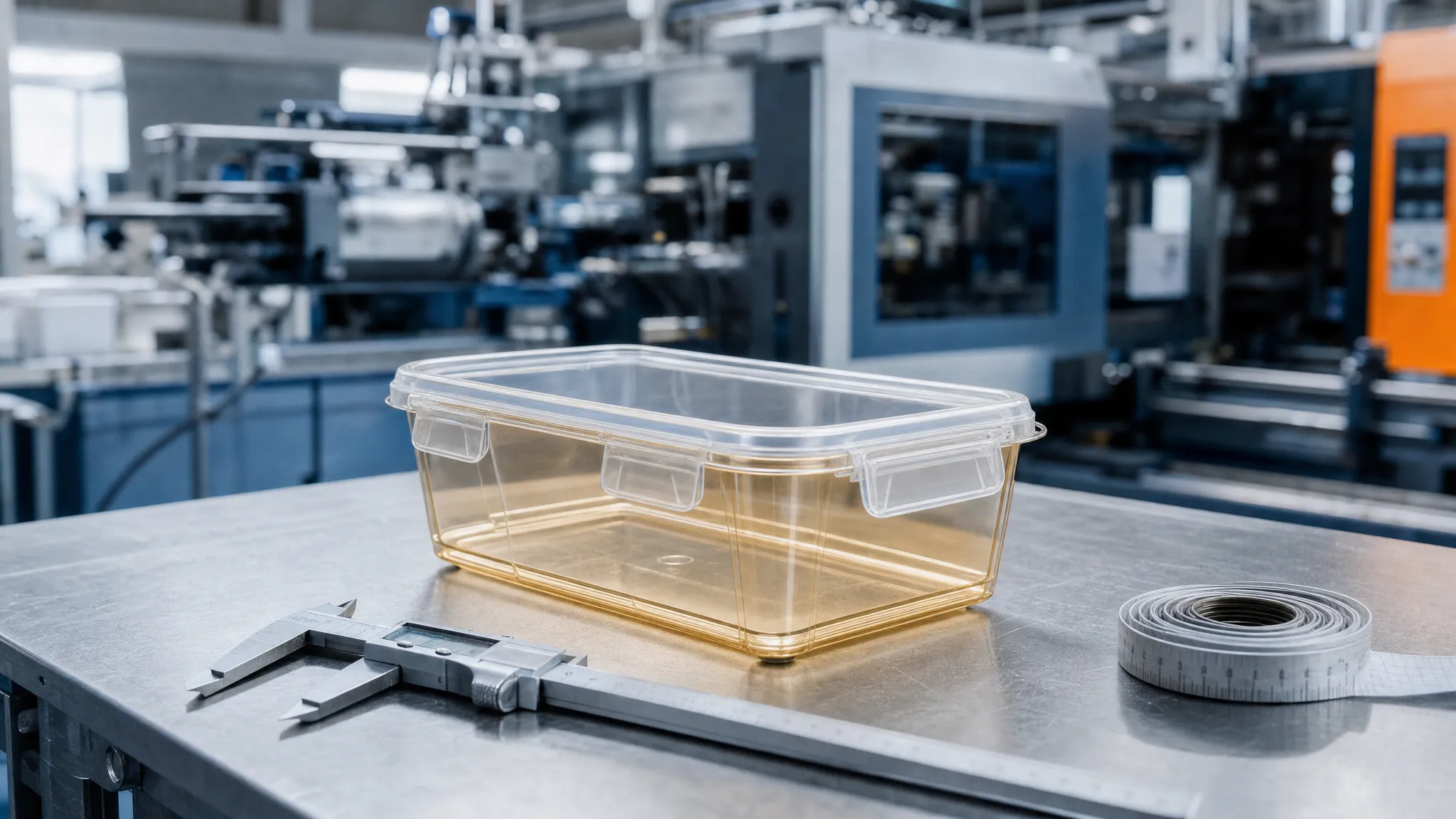
A factory quality inspection before shipment does not happen by itself, and it does not happen at the port. It happens because a purchase order said so — because the buyer wrote the sample reference, the sampling plan and the carton spec into the document that the factory builds to. Approve a golden sample, then place a PO that says nothing about inspection, and you have bought a promise dressed up as a specification.
This guide is written from inside a plastics factory in Jieyang, Guangdong, so read it with that interest declared. Every number below comes from one of two places: our own product records, or a published standard the buyer can check. Nothing below is a certification claim about our plant, and nothing below is legal advice — it is a set of checks a buyer can write into an order, aimed at any factory, including this one.

Most of what ranks for these questions is written by third-party inspection agencies who sell the inspection as a service. The cheaper move, and the one this article is built around, is to write the gates into the PO and use an agency — or nobody — as a backstop. Here is the whole chain, from the approved sample to the loaded container, as clauses.
The purchase order, not the inspection report, is where quality is decided
An inspection report arrives after the goods are made. A clause changes what gets made. That is the whole argument for spending your effort on the PO instead of on booking a final inspection: by the time an inspector opens the carton, the tool is cut, the run is over and the only question left is whether you can afford to reject a container that is already on the floor.
The order is also where the argument between buyer and factory stops being about adjectives. "High quality" is not a clause. "Sample approval against the signed golden sample, pre-shipment sampling to ISO 2859-1, general inspection level II, AQL 2.5 major, carton to pass a drop test" is a clause — it names a reference, a method, a level and a number, and any of the three parties can check it. The general shape of a defect clause is set out in our note on contract clauses for container failure modes; this article turns that shape into the specific gates an order should carry.
The five gates between a golden sample and a shipped container
A production order is not inspected once. It is inspected at a handful of points, each of which catches a different class of fault, and each of which is only enforceable if the PO names it.
Gate | When in the order | What is checked against | The clause that carries it |
|---|---|---|---|
1 · First-article approval | before mass production | the drawing, the tool sample, the material and colour standard | "first-article approval against the signed golden sample" |
2 · In-process | during the run | wall thickness, dimensions, colour, closure and lid fit | "in-process checks at [interval]" |
3 · Pre-shipment (final random) | when the order is ≥80% packed | a random sample, to a sampling plan and a defect schedule | "pre-shipment inspection to ISO 2859-1, level II, AQL 2.5" |
4 · Carton and pack validation | on sample cartons, before the run ships | drop, compression, packing and mark spec | "carton to pass a drop test to ASTM D5276 at [height]" |
5 · Document release | at packing, before loading | packing list, inspection record, food-contact file | "documents to travel with the shipment" |
Two practical rules sit over the whole table. First, every gate needs a named reference — an inspection with nothing to measure against is an opinion. Second, the reference is usually the gate before it: the in-process check is measured against the first article, and the pre-shipment check is measured against the same first article, not against a fresh argument about what "good" means.
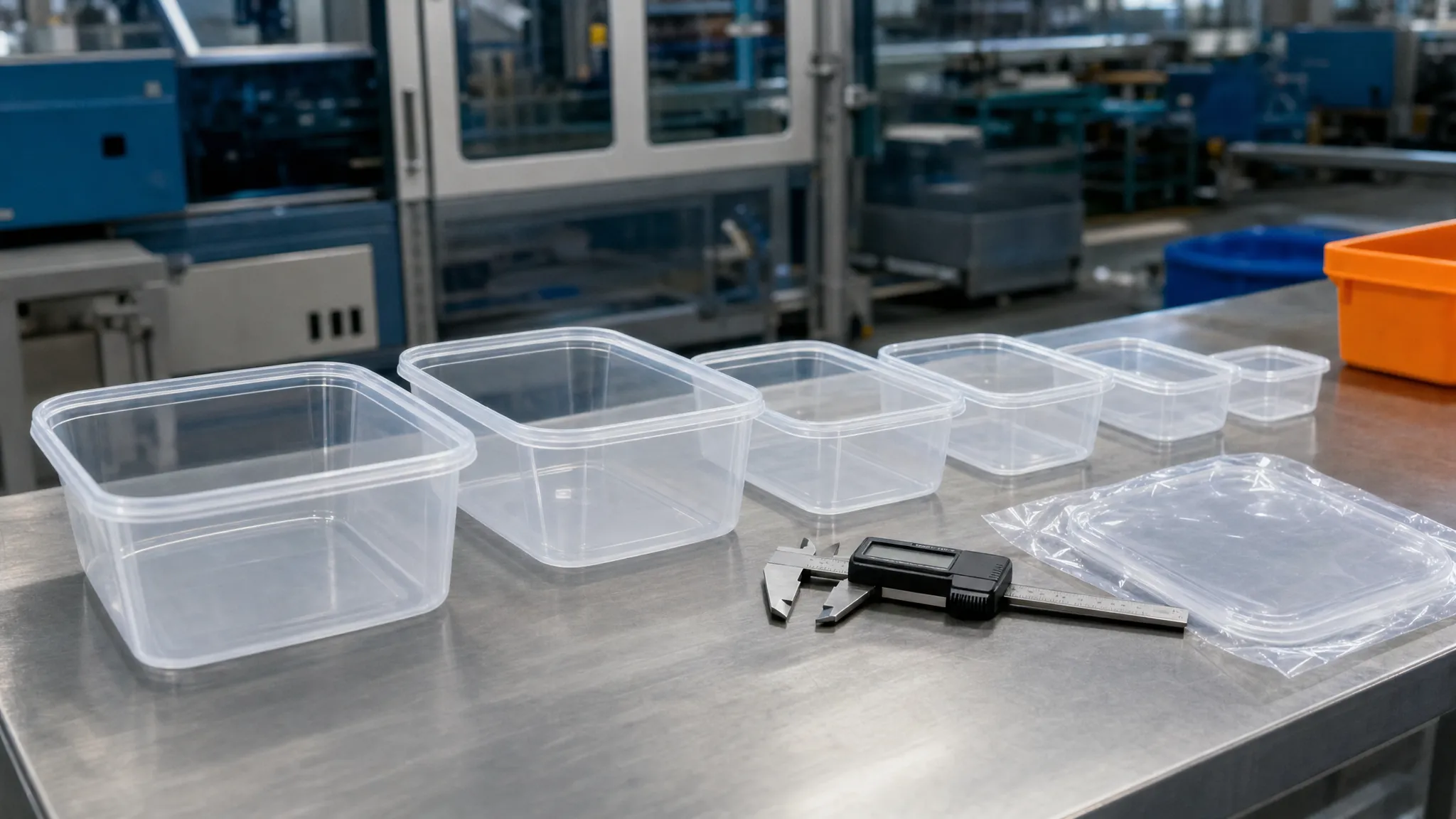
Where the tool itself is the question — a new shape, a new size, a changed closure — the checks start earlier, at the mould. Whether a change can ride on an existing tool or needs a new one, and how the tool is proven before the run, is the subject of modify an existing mould or build a new one and of how to read an injection moulding quote; the article you are reading picks up once the tool exists. The published manufacturing capability page describes where these gates sit inside our own plant.
Gate 1 — First-article approval: what a "golden sample" has to be
The golden sample is the single most under-specified document in a first order. Buyers say "send me a sample", approve it in a chat thread, and then have no artefact to point at when the mass-production parts differ. A golden sample is only worth the name when it is frozen: stamped or signed with a date and an order reference, sealed, and held by both sides. It is the physical answer to every later question about colour, surface finish, wall thickness and lid fit.
The check that produces it is a first-article inspection — sometimes written first-article approval — run on the first parts off the tool:
- Against the drawing, not against feel — the dimensions and tolerances on the agreed drawing, including wall thickness at named points.
- The material and colour standard — the grade named in the PO, and a colour matched to an approved chip or to the golden sample itself.
- The closure, if there is one — latch it, fill it, invert it. A seal is a gasket compressing against a rim, so it is proven by a test, not by how firm the lid feels — the method behind that test is worked through in our note on leak-proof seal structure and sample testing.
- Marked and retained — one signed golden sample to the buyer, one to the factory, both dated.
The clause a buyer can paste: "First-article approval is required before mass production. The approved sample, signed and dated by both parties, is the reference for this order and is retained by both sides. Mass-production parts are measured against it."
Where a part must be verified before a tool is cut at all, the same discipline applies to prototypes and 3D-printed verification parts — the approach in our note on 3D-printed verification is the shape of that step, and the tooling route it feeds is set out on the custom mould development page.
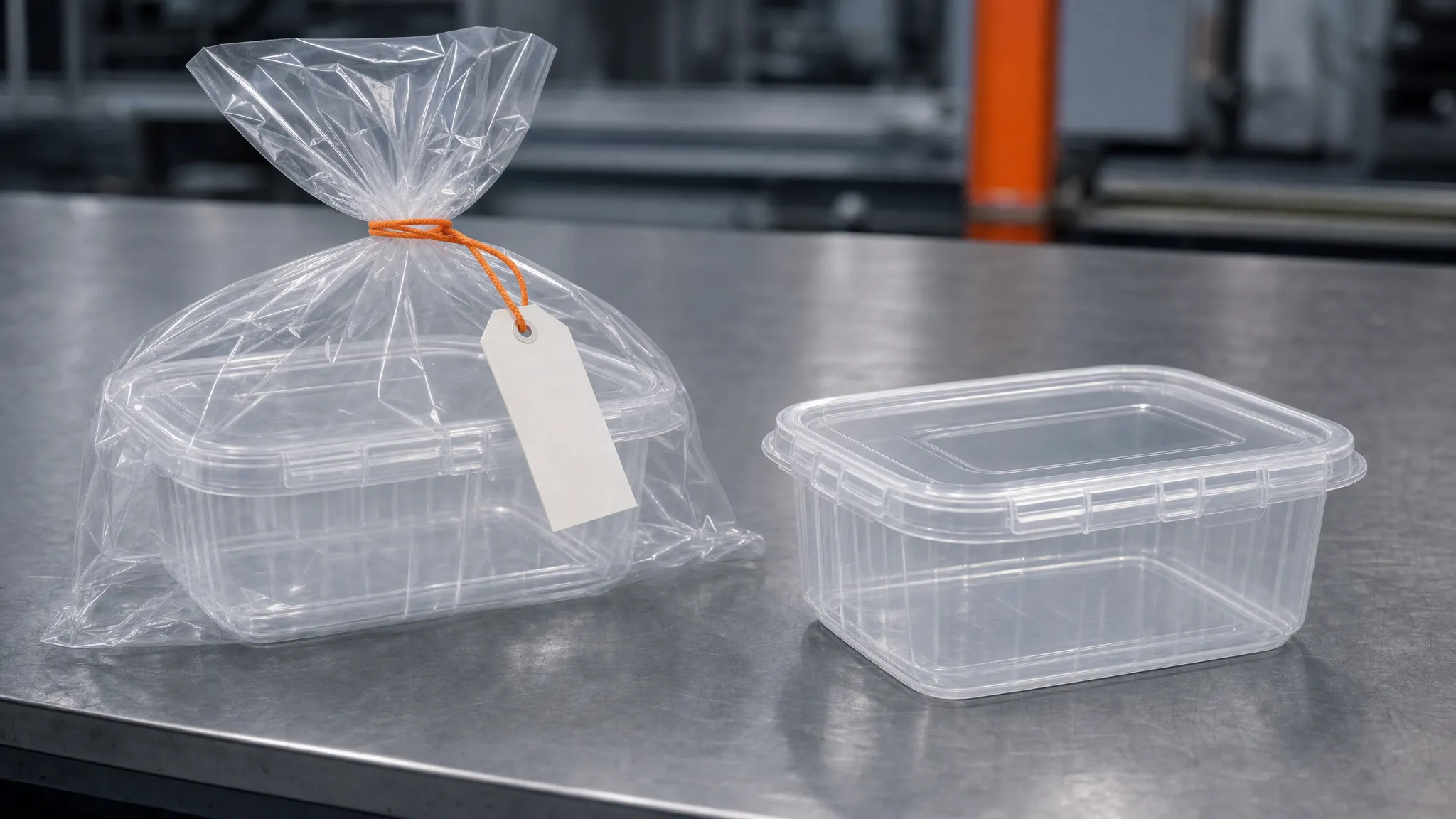
Gate 2 — In-process checks: catching a drifting run before the packing line
First-article approval fixes the reference; it does not promise that the five-hundredth shot matches the first. An injection-moulding run drifts — melt temperature, cycle time, colour masterbatch, tool temperature — and a batch can move out of tolerance without anything visibly breaking. The in-process gate catches that drift while the machine is still running, so a correction costs a few parts instead of the whole order.
What gets checked is small and repeatable: wall thickness at named points, the critical dimensions on the agreed drawing, colour against the approved chip, and the closure — lid fit, latch effort and seal. The interval is the buyer's choice and belongs in the order; a first order or a colour-matching job justifies a tighter interval than a repeat order on a proven tool. The ordering principle is the same as at every other gate: the measurement is taken against the frozen first article, not against whatever came off the line ten minutes ago, because an unchecked drift otherwise becomes the new definition of acceptable.
The clause: "Supplier carries out in-process checks on wall thickness, dimensions, colour and closure at [interval], measured against the approved golden sample, with the records retained for this order."
Gate 3 — Pre-shipment (final random): how big a sample, and how many defects are too many
This is the part the agency pages name and never print. The framework is ISO 2859-1, the international standard for sampling by attributes; the two settings a buyer chooses are the inspection level (how strict) and the AQL — the acceptable quality limit, the defect rate the lot is expected not to exceed (ISO 2859-1, overview at acceptable quality limit). The near-universal default for consumer goods is general inspection level II, single sampling, normal inspection, with AQL 2.5 for major defects.
Two numbers fall out of the plan: Ac (the acceptance number — the most defects you may find and still accept the lot) and Re (the rejection number). In a single-sampling plan Re is always Ac + 1: find Ac or fewer defects and the lot is accepted; find Re or more and it is rejected — there is no integer in between. (Plans that do allow a second sample are a separate family, double and multiple sampling, and are not what this table is.) Under the default settings, the plan a buyer's inspector will read off the master table looks like this:
Lot size (units) | Code letter | Sample size (n) | Accept (Ac) | Reject (Re) |
|---|---|---|---|---|
281 – 500 | H | 50 | 3 | 4 |
501 – 1,200 | J | 80 | 5 | 6 |
1,201 – 3,200 | K | 125 | 7 | 8 |
3,201 – 10,000 | L | 200 | 10 | 11 |
10,001 – 35,000 | M | 315 | 14 | 15 |
35,001 – 150,000 | N | 500 | 21 | 22 |
General inspection level II · single sampling · normal inspection · AQL 2.5 (major). Read from the ISO 2859-1 master table. Where the table shows an arrow for a very small or very large lot, it directs the inspector to the nearest plan with a defined Ac/Re — which is why the clause names the standard and the level, not just a number.
Read the middle of that table the way a buyer would. A 10,000-unit order sits in the L band: your inspector opens 200 units, and the lot passes if 10 or fewer are defective and fails if 11 or more are. A 2,000-unit order sits in K: 125 units, accept at 7. The point of writing the level and the AQL into the PO is that the number is not chosen after the fact to suit whichever side the result helps.
The clause: "Pre-shipment inspection to ISO 2859-1, general inspection level II, single sampling, normal inspection. Major defects AQL 2.5, minor defects AQL 4.0, critical defects Ac 0 (zero acceptance). The inspection report states the lot size, sample size, accept and reject numbers."
Critical, major, minor: the defect classification that decides pass or fail
AQL only means something once the defects are sorted into classes, because a single number cannot cover both a cracked body and a faint scuff. The three-class convention is standard practice, and it is the second half of the clause above.
Class | What it means | Typical AQL | Examples in a moulded houseware order |
|---|---|---|---|
Critical | unsafe, illegal to sell, or a hazard | 0 (accept none) | sharp flash that cuts, a part that could detach and be swallowed, contamination, wrong polymer with no food-contact document |
Major | the item fails the job it was bought for | 2.5 | lid will not latch, gasket missing or torn, a leak, a wall out of tolerance, a cracked body, wrong model or colour |
Minor | the item works; the shelf appeal is off | 4.0 | scuffs, flow or weld marks, faint sink marks, print off-register, label skew |
The value of the table is that it forces the argument to happen at the PO stage, when it is cheap, instead of at the inspection, when it is not. "Flash" is not one defect: flash at a sealing rim is a major (it can break the seal), flash on a decorative edge is a minor. A buyer who writes the examples down — or names the ones that matter for their product — has removed the inspector's discretion, which is the only thing an inspector should never have. The defects that matter for a moulded container, part by part, are mapped in our note on how to check plastic lunch box quality.
Gate 4 — The carton is part of the product: drop, compression and pack checks
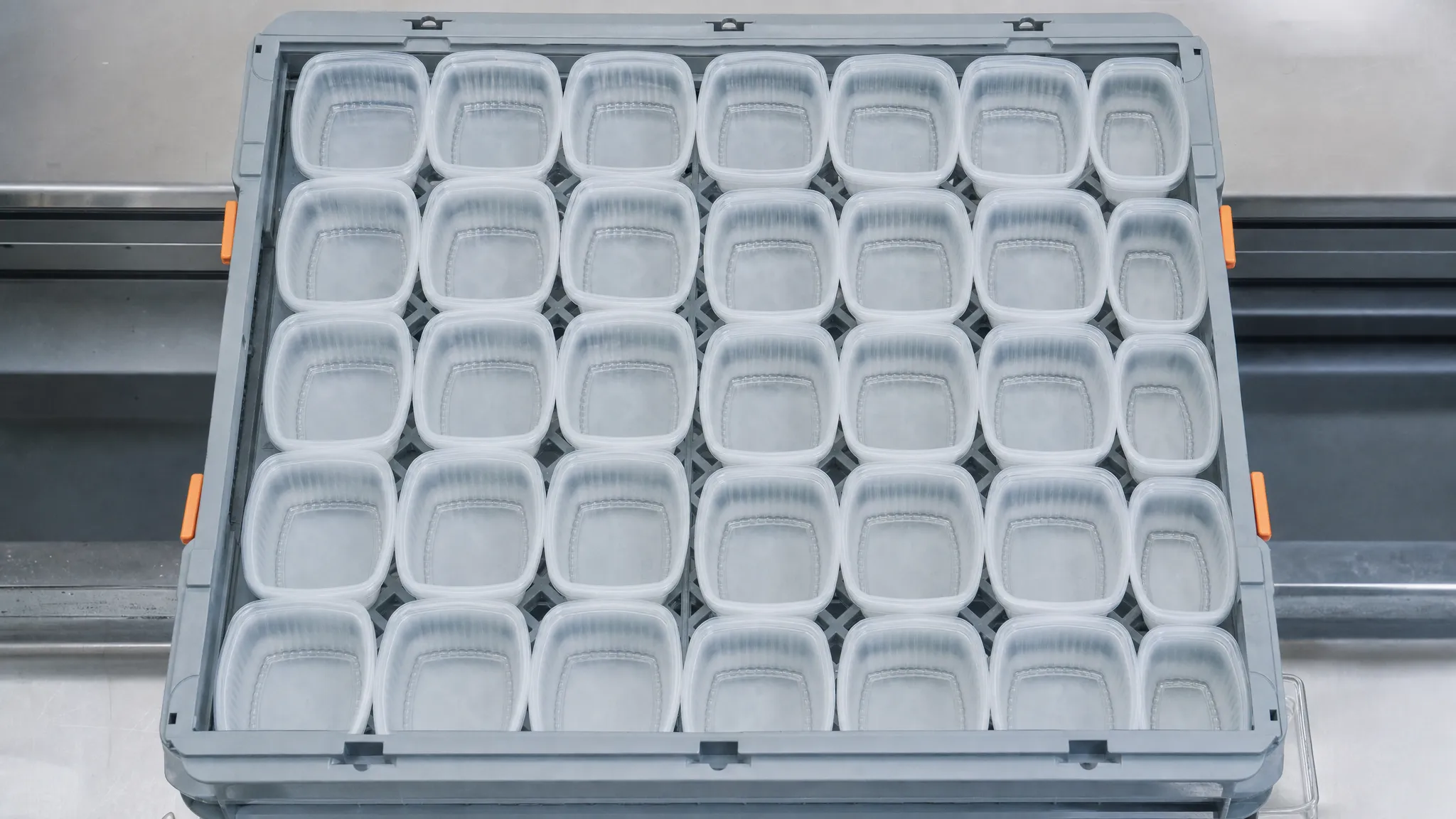
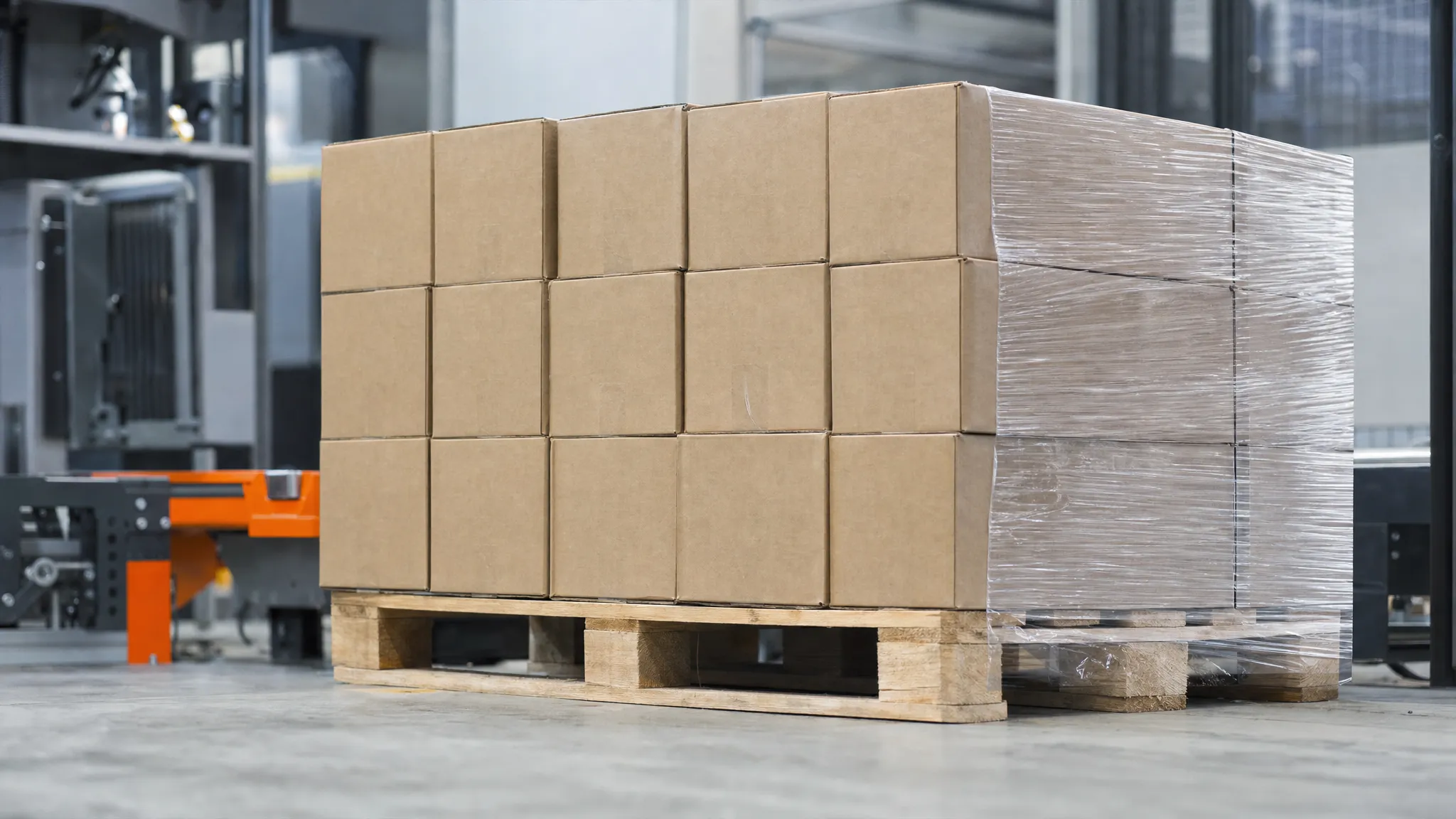
The container passes, and the shipment still arrives broken, because nobody wrote the carton into the order. The carton is the freight you are buying and the last thing standing between the moulding and the customer's shelf, so it earns a gate of its own. The geometry that decides it — how a box nests, whether a lid stacks flat — is worked through in our note on stacking, nesting and carton maths. Here are five of our own cartons, to show the shape of what the PO should fix:
Model | Item (material) | Carton (cm) | pcs / carton | Carton CBM | Gross weight | Packed g / piece |
|---|---|---|---|---|---|---|
BX1051 | 1.3 L lunch box (PP + silicone) | 62 × 47.5 × 58.5 | 72 | 0.1723 | 14.3 kg | 199 g |
BX1052 | round grain-jar set (PP + silicone) | 68 × 36 × 56.5 | 48 | 0.1383 | 16.2 kg | 338 g |
BX1053 | three-piece airtight set (PP + silicone) | 61 × 30 × 57 | 24 | 0.1043 | 12.4 kg | 517 g |
3332 | kitchen and frozen container (PP) | 64 × 49 × 56 | 56 | 0.1756 | 16.1 kg | 288 g |
3334 | tall square container (PP) | 59 × 56 × 65 | 80 | 0.2148 | 14.7 kg | 184 g |
Figures from our own product records; carton CBM and packed grams per piece are arithmetic on those records — packed grams per piece is carton gross weight divided by pieces per carton, a packed-weight basis, not the per-unit product weight quoted on the product pages. Confirm the packing scope per order — palletising and the forwarder's stow decide the final container count.
Three checks turn that table into a PO clause:
- Drop test. A loaded carton is dropped, usually corner-first, repeatedly, and inspected for damage to carton and contents. The named method is ASTM D5276, Drop Test of Loaded Containers by Free Fall; the schedule of drops belongs in the clause.
- Distribution-cycle and compression. For a full picture — vibration, stacking, compression — the reference is a distribution-cycle test such as ASTM D4169 or an ISTA series procedure, chosen to match the route. A single drop test is a floor, not a ceiling.
- The packing spec itself. Carton dimensions, pieces per carton, gross weight, the shipping mark and the label position all go in the clause, not in a follow-up email. Our own approach to the label-and-pack side of a retail order is set out in the FBA prep, labelling and photography note.
The clause: "Carton to the dimensions, pieces-per-carton and gross weight in this order. One carton per batch to be drop-tested to ASTM D5276 at [height], corner first, with carton and contents inspected afterwards. Shipping mark and label position as per the artwork attached."

Gate 5 — The documents that travel with the goods
The last gate is paper, and it is the one that quietly decides whether the container can be sold where you are selling it. Two document sets matter, and both should be named in the PO.
The commercial set is what lets the goods clear and lets you reconcile: the packing list, the invoice, the shipping marks, and the inspection record produced at gate 3 — signed, dated, and stating the method and the numbers. An inspection that produces no document is a memory.
The food-contact set is what lets a retailer put the item on a shelf. For a plastic food-contact article sold in the United States the route runs through the FDA's food-additive provisions, and the section depends on the polymer — for olefin polymers such as PP it is 21 CFR 177.1520; in the EU the framework is a declaration of conformity to the plastics regulation. Read these as a map of what to request, never as a verdict any factory can hand you: the document only means something when it names your product, your material and your market. The shorter form — a request list you can paste into an email — is our documents to request from a factory note.
The clause: "Before loading, supplier provides the packing list, the inspection record for the sampling plan above, and the food-contact document naming this product, material and destination market. Delivery of these documents is a condition of final payment."
The clauses to paste into your purchase order
Here is the whole chain as one block a buyer can drop into a PO and edit to fit:
1. Sample. First-article approval is required before mass production; the sample signed and dated by both parties is the reference for this order.2. In-process. Supplier carries out in-process checks on wall thickness, dimensions, colour and closure at [interval], against the approved sample.3. Pre-shipment. Pre-shipment inspection to ISO 2859-1, general inspection level II, single sampling, normal inspection; major defects AQL 2.5, minor AQL 4.0, critical Ac 0 (zero acceptance); report to state lot size, sample size, Ac and Re.4. Carton. Carton to the dimensions, pieces-per-carton and gross weight in this order; one carton drop-tested to ASTM D5276 at [height], corner first.5. Documents. Packing list, inspection record and the food-contact document naming this product, material and market delivered before loading.
The gate our own plant publishes as its inspection route — the stages, and the buyer inputs each one takes — sits on the quality control page; a clause is only as good as the factory's habit of running it, so it is worth asking any supplier to show you where each gate actually happens.
What is the difference between first-article and pre-shipment inspection?
First-article approval happens before the run: it freezes the reference the rest of the order is measured against, and it is where a tool or a colour problem is caught cheaply. Pre-shipment inspection happens at the end: a random sample of finished, packed goods is measured against that frozen reference to a sampling plan. First-article sets the standard; pre-shipment enforces it. A buyer who skips the first has nothing to enforce.
What AQL should I use for food containers?
The common default is general inspection level II, AQL 2.5 for major defects, AQL 4.0 for minor, and zero acceptance (Ac 0) for critical. If the product carries a leak or a seal, tighten the major AQL — a leaking lid is a functional failure, not a cosmetic one. The number is a choice, and it belongs in the PO where it can be seen before the run, not after the report lands.
Do I need a third-party inspector?
Not always. On a first order, or a high-value or first-of-its-kind product, an independent inspector is cheap insurance against a factory marking its own homework. On a repeat order from a supplier with a track record, a written clause plus a factory's own documented gate process often does the job. Either way, the clause comes first — an inspector without a written plan is inspecting against their own idea of quality, not yours.
What is a carton drop test?
A loaded shipping carton is dropped from a set height — usually corner-first — onto a hard surface, and then both the carton and its contents are inspected for damage. It is the cheapest way to find out whether your packing survives the last mile before you have paid for a container that did not. The named method is ASTM D5276.
What to do next
Take the five clauses above and put them into the next order you place, not the one after. Then send the factory the four things that make the clauses real: the drawing or the model, the material grade, the destination market and the carton spec. If you are building a food-storage or lunch-box range and want the carton figures for the models you are comparing, browse the current range and ask — a supplier who answers these five gates in writing has already told you most of what a sample would. If this is your first order from a Chinese housewares factory, start with how a manufacturer works, and place your first order through the procurement route.
Continue reading
Related sourcing guidance
More practical context for your food storage container sourcing conversation.
Discuss your product range
Need help selecting or customising containers?
Share the product type, market and sourcing requirements with the Xinghui team.