Build a practical sourcing brief across Xinghui's food storage, lunch, kitchen, drinkware and household ranges, then confirm customisation, quality checks and shipment requirements for the products you select.
Use the service areas below to identify what must be confirmed before quotation, sampling, production and shipment planning.
Procurement service scope
Move from product range to a confirmable order plan
Each workstream below turns a broad sourcing request into product, customisation, inspection and shipment details that can be checked for the specific project.
01
Phase one
Define the product and project scope
Start with a product range, market context and the right customisation route before commercial inputs are requested.
Product selection
Choose a range around use case and market
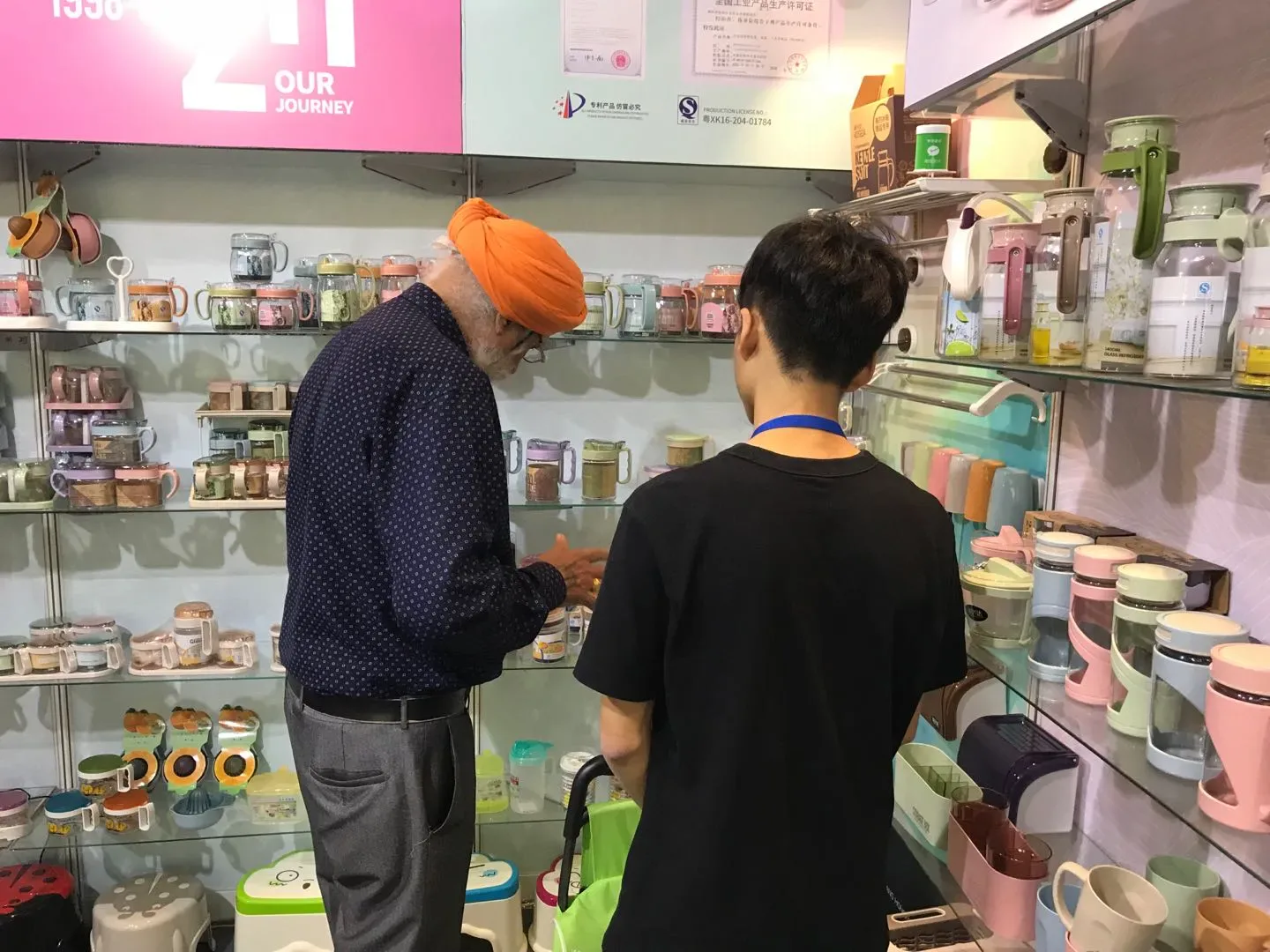
Start with the intended food, meal, kitchen, drinkware or household use. Published product pages give buyers a concrete shortlist before commercial terms are discussed.
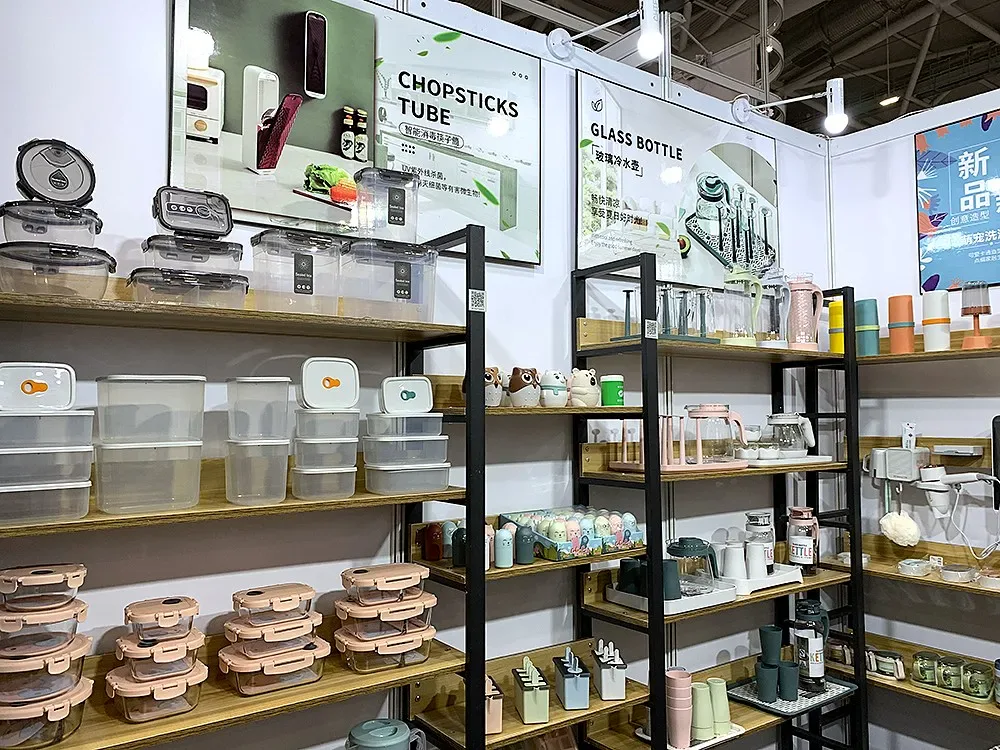
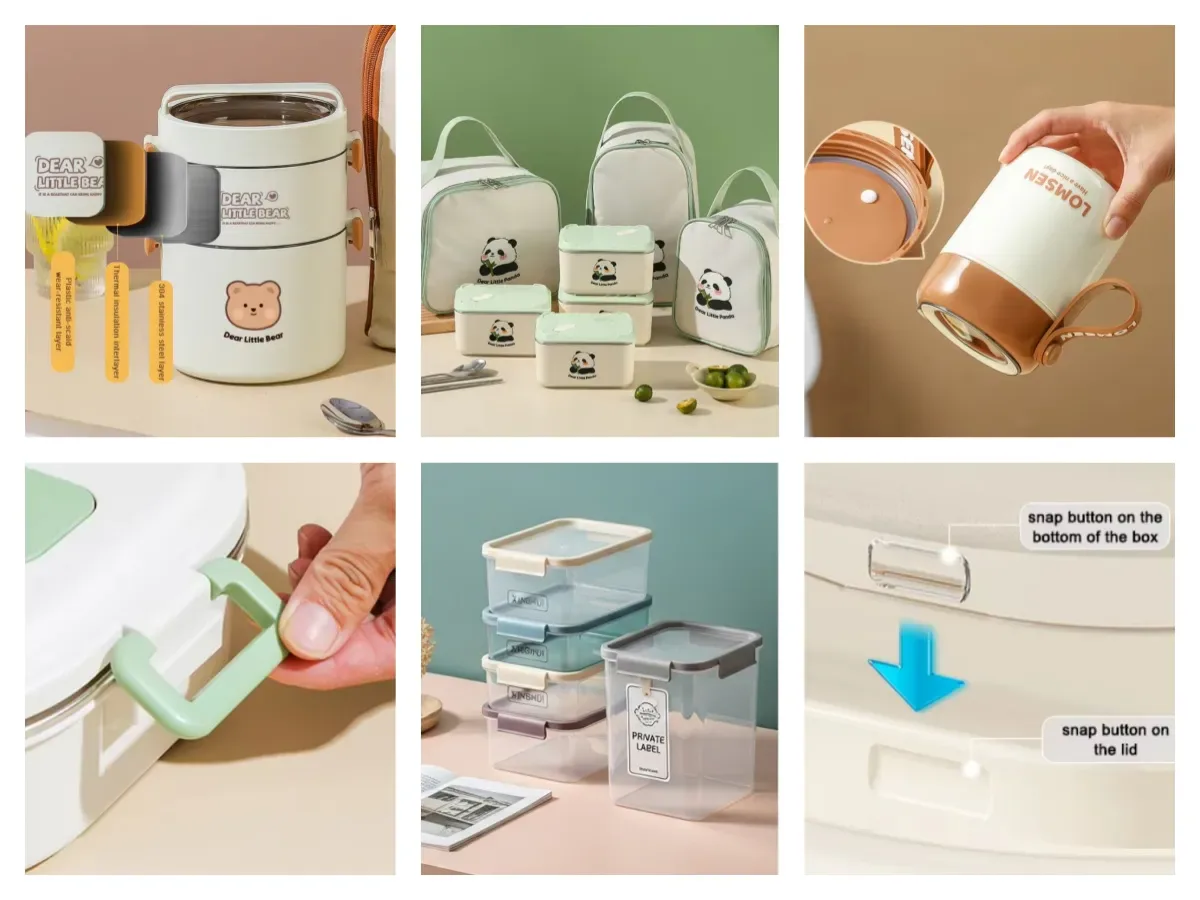
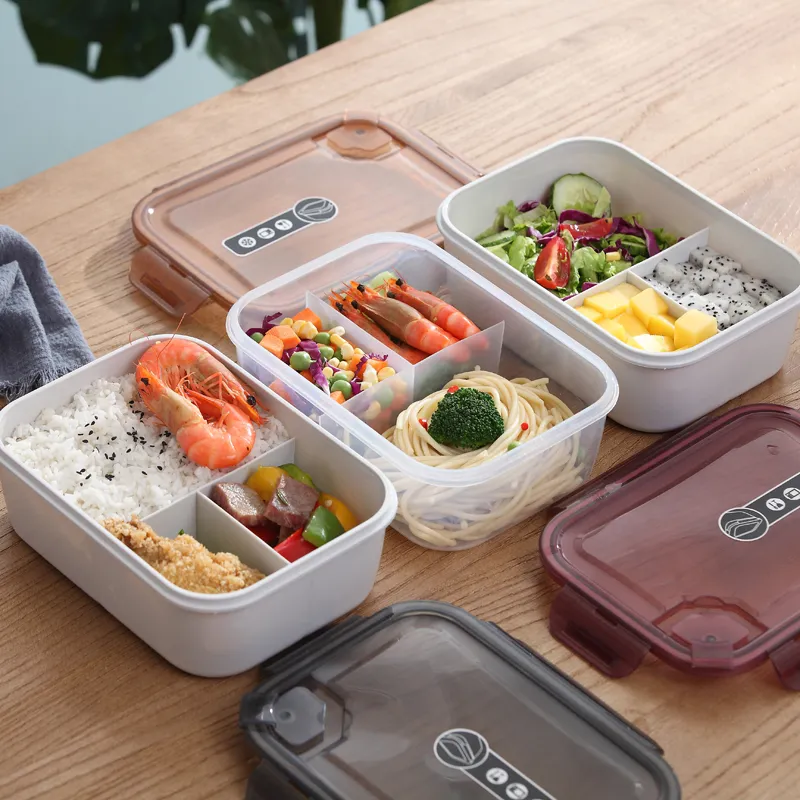
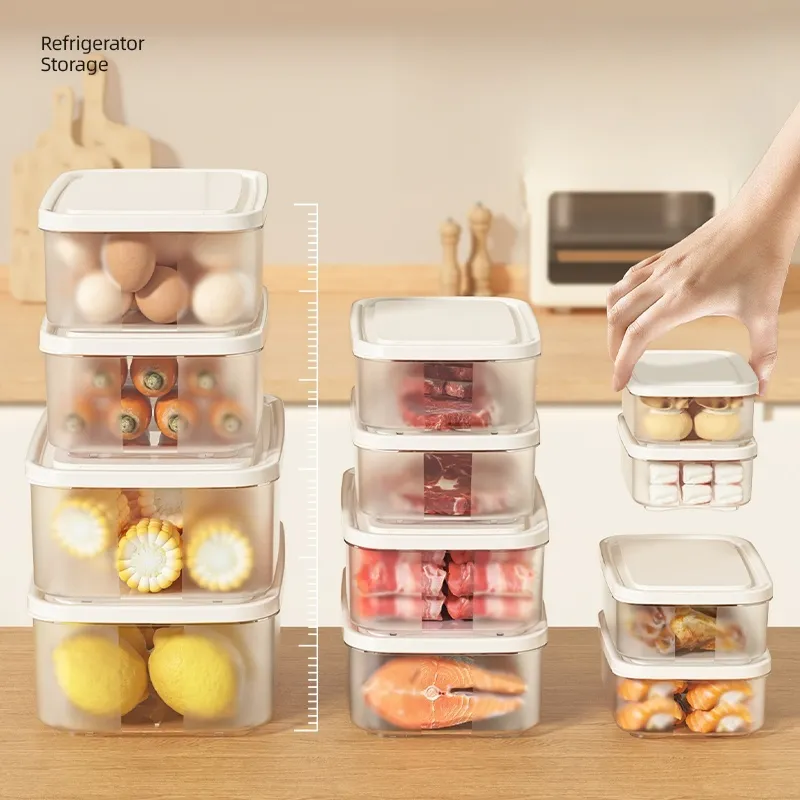
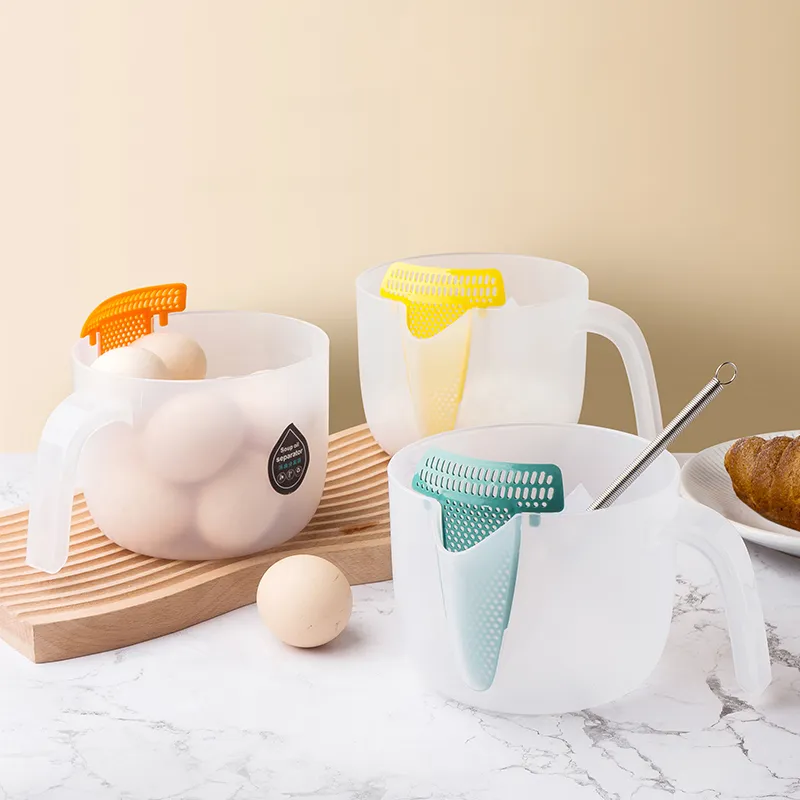
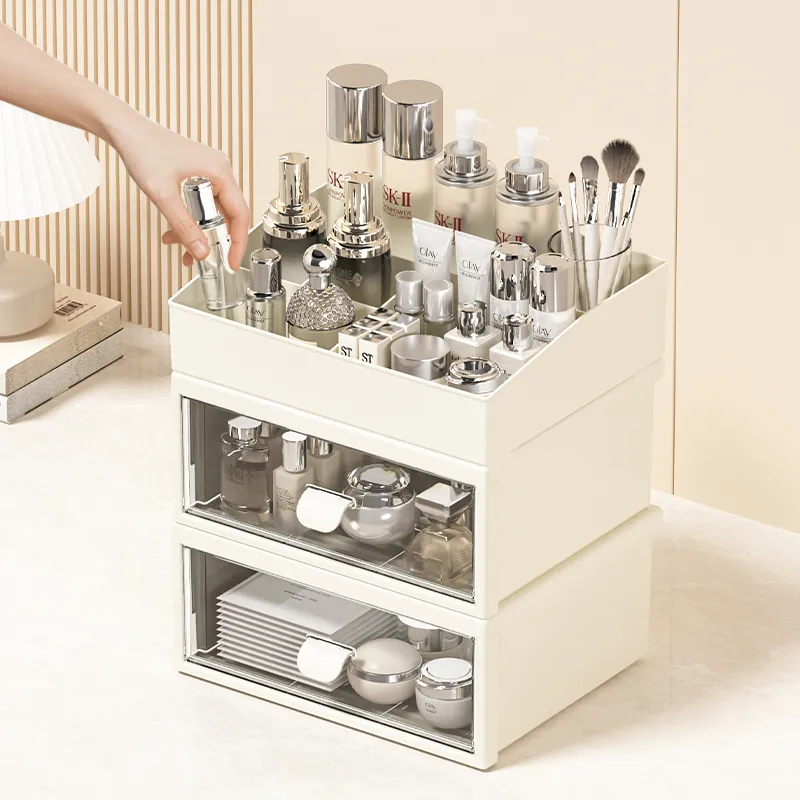
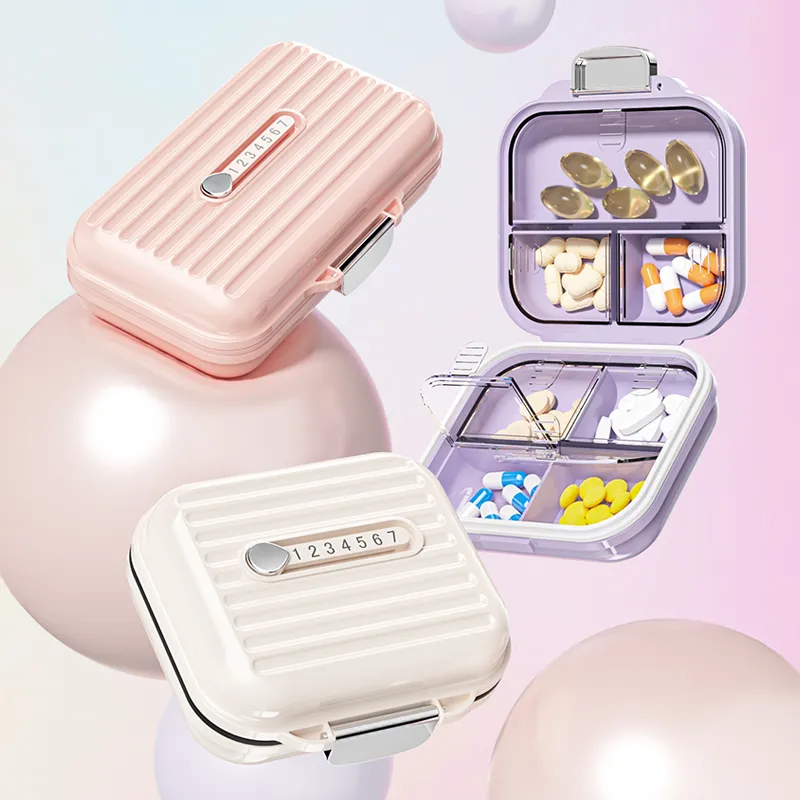
Lunch boxes, food storage, kitchen storage, drinkware, home storage and portable organisers
Formats for meal preparation, microwave or freezer use are reviewed product by product
Product links and model references keep the quotation brief specific
Existing products can start with branding and colour requirements; deeper projects may include packaging, material, accessory or mould discussions when the brief requires them.
Colour, logo and product-surface options
Retail packaging, labels and packing presentation
Material, accessory, structural and mould-development discussions
Keep quotations, samples, packing choices and project changes connected to the same product context.
Procurement coordination
Keep quotation, sample and production inputs aligned
A useful sourcing process connects the selected product, expected quantity, customisation and destination instead of treating price, sample and delivery as separate conversations.
Quotation inputs tied to the exact product or custom direction
Sample requirements confirmed before production planning
Packaging and project changes recorded against the same brief
Keep questions and changes visible through the project
Pre-sales product questions, sample feedback, packaging changes and after-sales issues are most useful when they refer to the same product and order context.
Product and application questions before a shortlist is fixed
Sample and packaging feedback recorded before production
Order-specific issue handling supported by clear references and evidence
Match inspection, documents, packing and shipment planning to the confirmed product and destination.
Quality control
Match inspection points to product and market needs
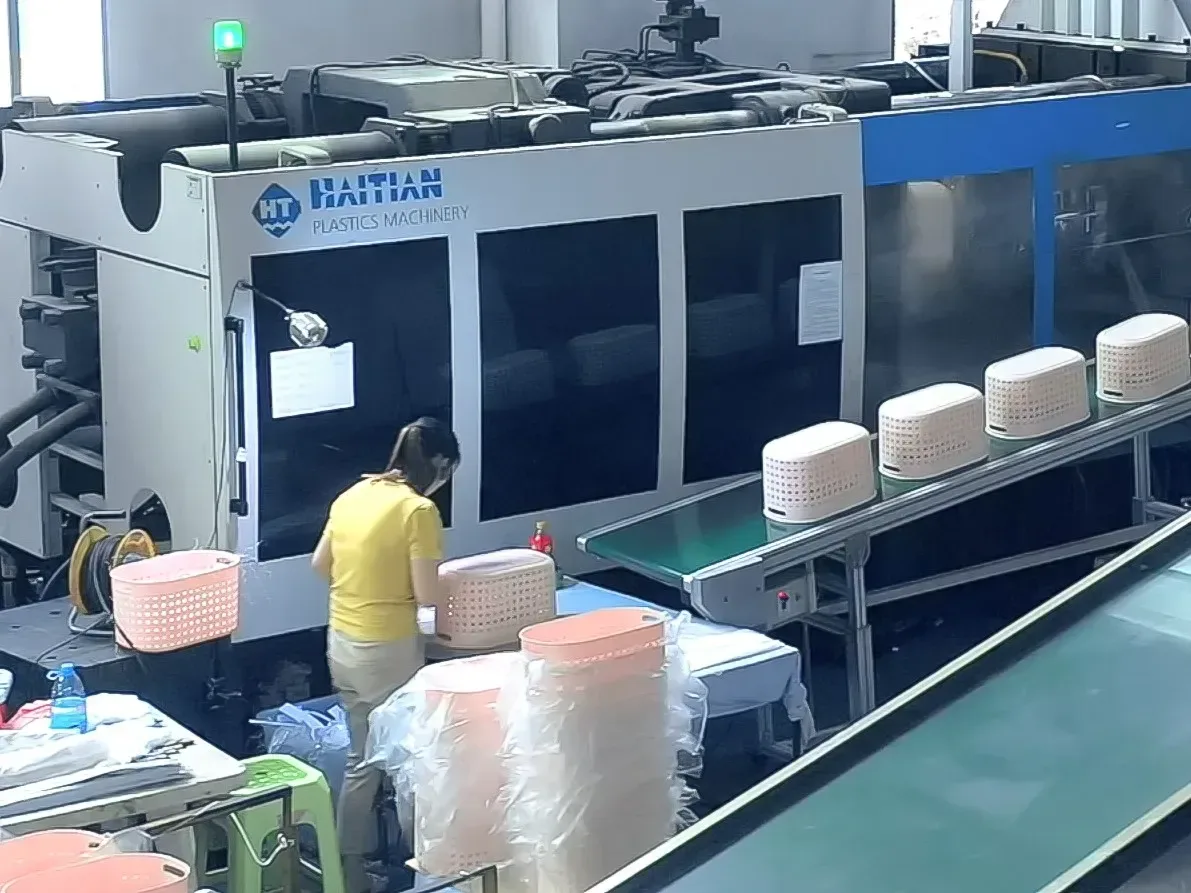
The source material documents batch inspection and checks relating to materials, sealing and heat resistance. Required tests and certificate coverage still need confirmation for the selected item and destination market.
Incoming or production material checks where relevant
Sealing and heat-resistance checks for applicable products
Batch inspection and document review before shipment release
Plan packing and freight around the confirmed order
Carton, loading and transport choices affect landed cost and timing. Shipment planning therefore follows the confirmed product mix, quantity, packaging and destination.
Carton and packing information confirmed for the selected items
LCL, FCL or multimodal options discussed where they fit the order
Freight arrangement and delivery timing confirmed rather than assumed
The sequence keeps buyer decisions visible and makes it clear which information must be confirmed before the next stage.
01
Requirement brief
Share use case, quantity, destination, customisation and requested timing.
02
Product shortlist
Identify relevant product families, SKUs or a custom product direction.
03
Quote and sample
Confirm current terms and the sample route for the selected products.
04
Production preparation
Freeze product, packaging and approved project information before production.
05
Quality inspection
Carry out the checks agreed for the product and destination requirements.
06
Packing and shipment
Confirm packing, loading and freight arrangements for the order.
Buyer-specific sourcing
Start from the decisions your business needs to make
The same product range can lead to different questions for a growing brand, a marketplace seller, an importer or a retail chain. Choose the closest path and build the brief around it.
Small businesses and growing brands
Focus the first discussion on a narrow shortlist, brand presentation and the commercial terms attached to those exact products.
Confirm variable terms against the product and destination
Xinghui does not publish one universal price, MOQ or lead time across the catalogue. These values change with the selected SKU, quantity, customisation, packaging and destination market.
Items confirmed for each project
MOQ
Confirmed for the selected standard or customised product.
Price
Quoted against product, quantity, specification and packaging.
Sample terms
Confirmed after the product or custom route is defined.
Lead time
Planned after approvals and production requirements are clear.
Documents
Certificate and test coverage checked for the SKU and market.
Freight
Packing, loading and transport arrangements confirmed by order.
Procurement FAQ
Questions buyers ask before requesting a quote
These answers explain the current sourcing route without turning product-specific terms into blanket promises.
How should I choose products for a wholesale range?
Start with the product family and intended use, then share the relevant product links or model references. Xinghui can use that shortlist to discuss current specifications, availability and commercial terms.
Which parts of a food storage container can be customised?
Projects may discuss colour, logo, packaging, material, accessories, structure and mould development. The available route depends on the selected product and the scope of the brief.
Are samples free?
Sample availability, cost and delivery are confirmed after the product or custom direction is defined. The site does not promise a universal free-sample policy.
Which quality checks can be discussed?
The source material documents material, sealing, heat-resistance and batch-inspection activities. The relevant tests, acceptance criteria and documents must be confirmed for the product and destination market.
Can Xinghui arrange international shipping?
Packing, loading and freight options such as LCL, FCL or multimodal arrangements can be discussed where suitable. The final route, cost and timing are confirmed for the order and destination.
What information is needed for a procurement quotation?
Provide the product or use case, estimated quantity, destination market, customisation and packaging requirements, requested timing, and any testing or shipping terms that matter to the project.
Start with a specific brief
Turn your product shortlist into a procurement conversation
Send the products, quantity, market and customisation requirements you are evaluating. Xinghui can then confirm the current product and commercial details that apply.