EN
EN  FR
FR  DE
DE  RU
RU  ES
ES  AR
AR  JA
JA  KO
KO 
You’ve probably asked yourself this before: are those plastic food containers in your kitchen actually safe to use? Ever find yourself hesitating for a second before tossing one into the microwave? And what about the old ones—scratched, discolored, maybe a bit cloudy—could they be doing more harm than you think?
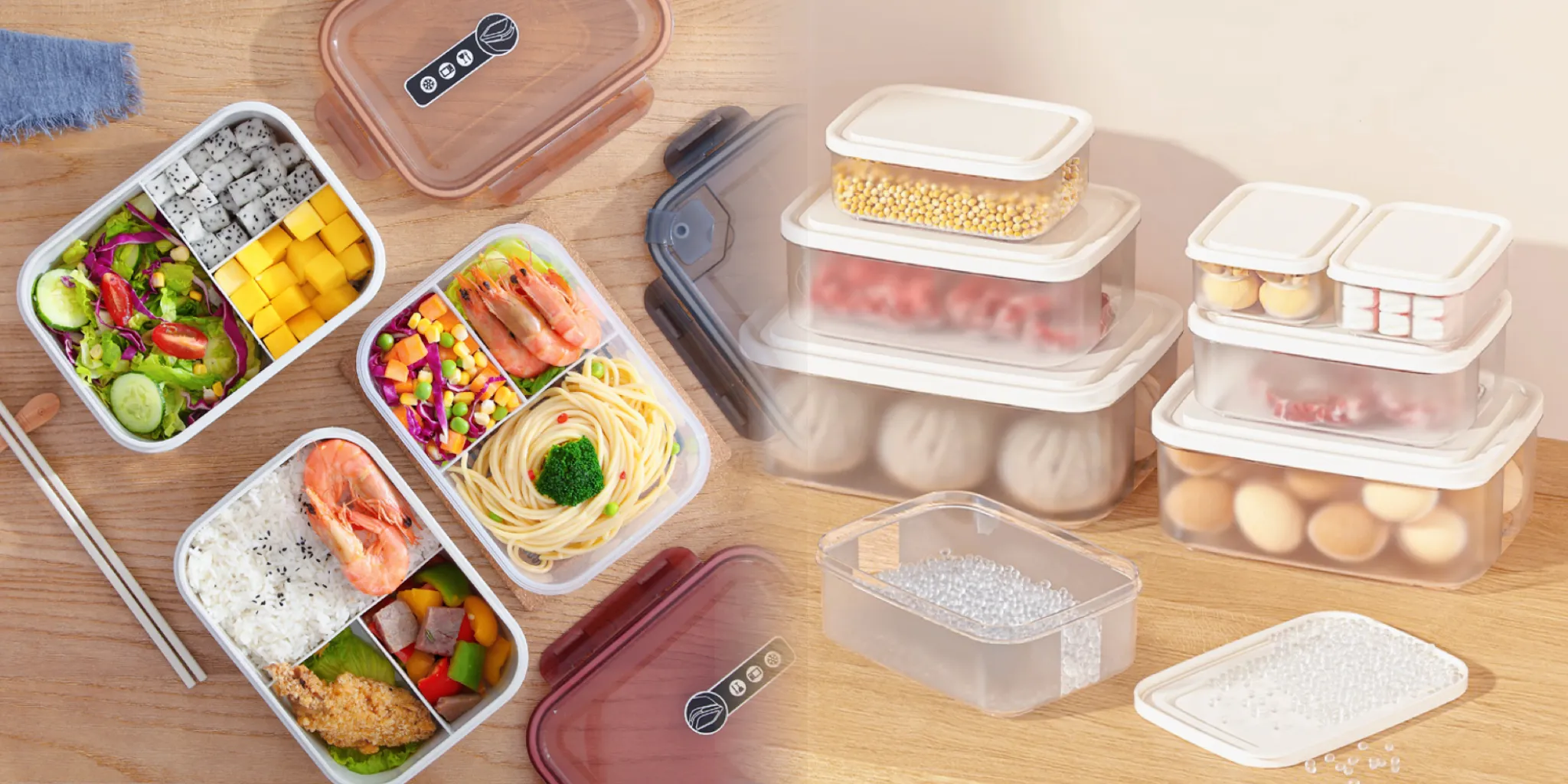
In this guide, I’ll walk you through a few practical things: how to read those tiny numbers molded into the bottom of plastic products, why how a container is made matters just as much as what it’s made of, and why I think Xinghui Plasticware is a manufacturer worth knowing about. They’re a Chinese company with real certifications (FDA, SGS, you name it), and their products are shipped to more than 60 countries around the world.
What Do the Numbers on the Bottom of Plastic Containers Actually Mean?
Take any plastic container from your kitchen and look at the bottom. You’ll find a small triangle with a number. It’s a recycling symbol — but it also tells you more: the material type, and whether the container is safe for food or heat.
The table below gives you a simple comparison of the common plastic materials:
| Number | Material | Safe for Food Storage? | Main Limitation |
|---|---|---|---|
| 1 | PET | No (single-use only) | Not heat-resistant, may deform above 70°C |
| 2 | HDPE | Limited use, avoid heating | Better suited for cleaning product containers |
| 3 | PVC | No | May contain phthalates, avoid food contact |
| 4 | LDPE | Yes, but avoid heating | Mainly used for plastic wrap and squeeze bottles |
| 5 | PP (Polypropylene) | Yes — Best Choice | Heat-resistant up to 120°C, microwave-safe |
| 6 | PS | No | May release styrene, avoid hot food |
| 7 | Others (PC, Tritan, etc.) | Only if clearly labeled BPA-free | Older PC materials may contain BPA |
For storing meals, doing meal prep, or reheating leftovers, No. 5 PP is the most practical choice. It gives you a good balance of food safety, durability, and heat resistance all in one.
That said, don’t assume every No. 5 PP container is the same. Quality can vary from one manufacturer to another — sometimes by a lot — even when the material category is identical.
Why is material alone not enough?
You’ve probably seen this before: cheap plastic lunch boxes that turn yellow, absorb every smell from the fridge, and start warping after just two or three months. On the flip side, high-quality ones stay clear and seal tight for years — even after daily use. The difference comes down to one thing: manufacturing standards and how well they control quality.
So what does a truly food-grade container need?
- Pure, virgin food-grade PP — no recycled or questionable materials
- Precision molding — smooth surfaces that don’t grow bacteria
- Real certifications — FDA, SGS, LFGB, you name it
- Batch testing — to make sure nothing leaches into your food
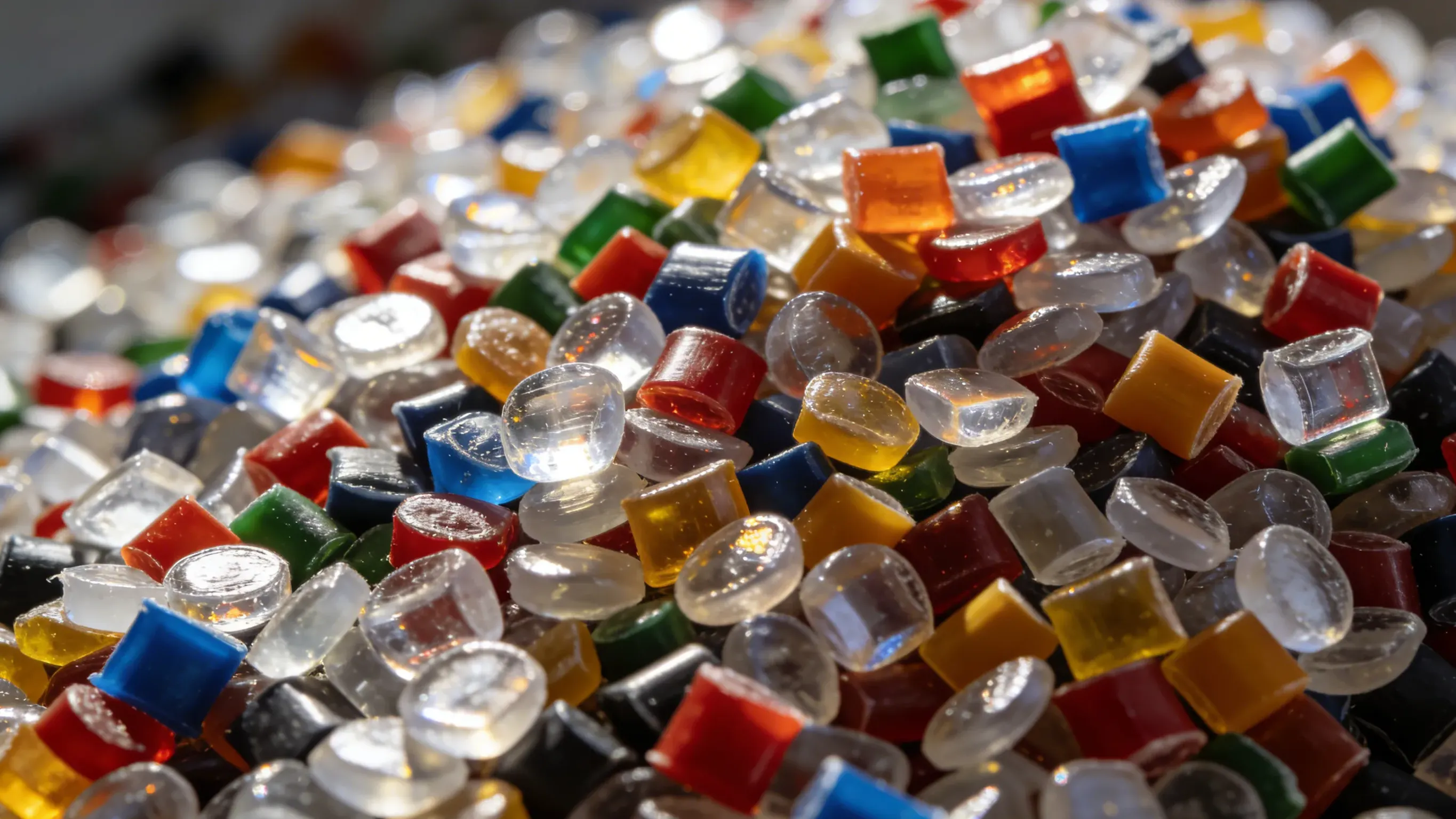
This is exactly where some smaller manufacturers take shortcuts. They mix in recycled material, skip the testing, and sell you a container that looks like 5号PP on the bottom — but isn’t actually food-safe.
Xinghui Plasticware: A Chinese Manufacturer That Prioritizes Safety Above All
Xinghui Plasticware was founded in 2000 and brings over 30 years of experience to the plastics industry. We’re a real manufacturer — not a trading company — with fully automated injection molding machines, a large-scale factory, and a monthly production capacity in the millions.
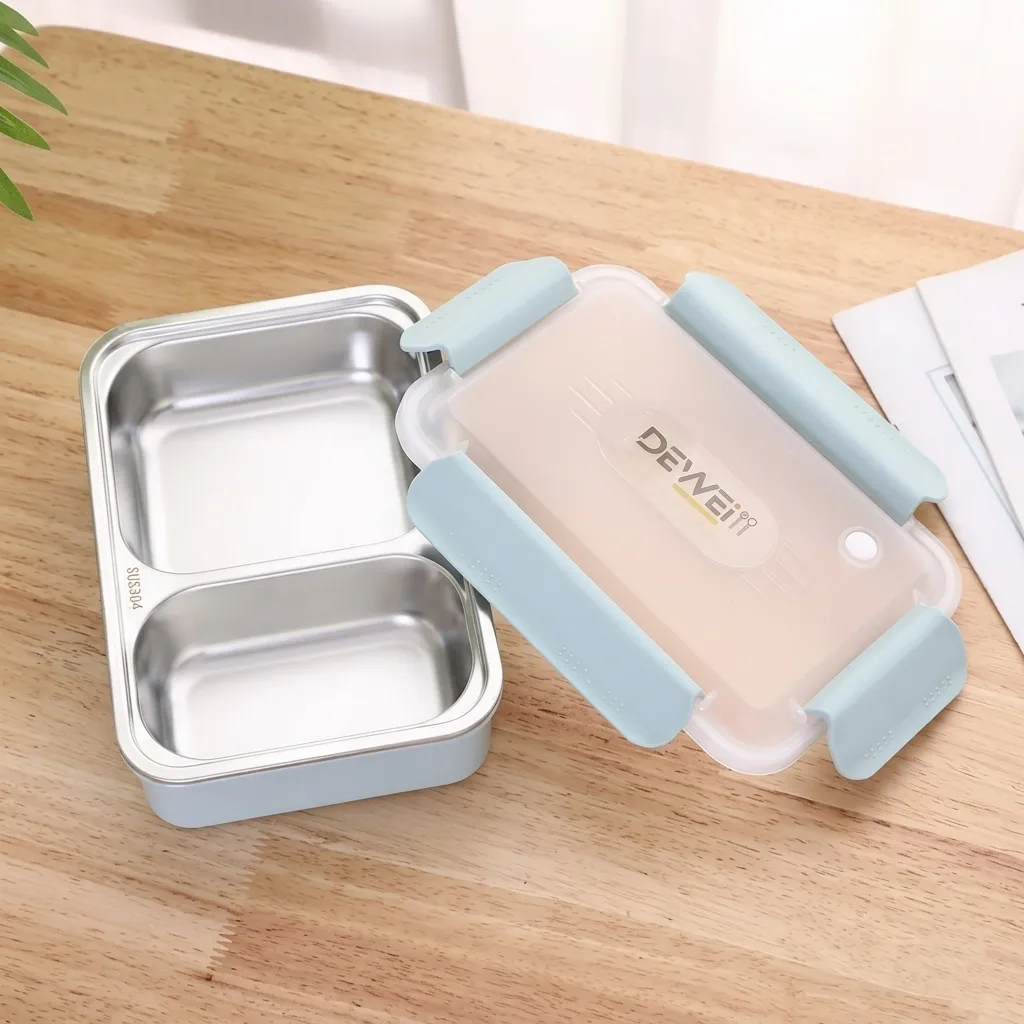
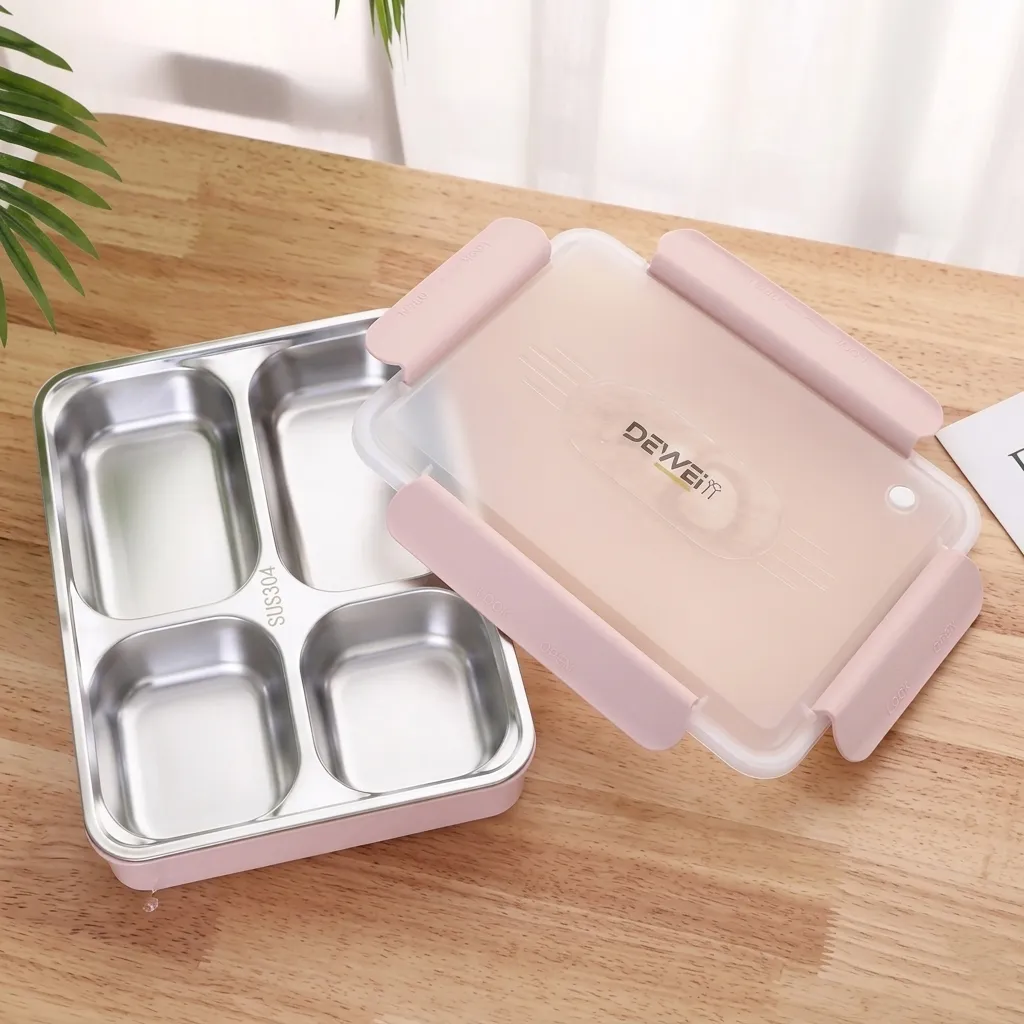
Our product lines cover just about everything you’d need for the kitchen and beyond: lunch boxes, food storage containers, water bottles, kitchen organization tools, portable storage accessories, and more.
In addition, Xinghui offers:
- 100% food-grade & BPA-free
- Certified to global food safety standards such as FDA and SGS
- Products exported to over 60 countries worldwide
- Also offers OEM/ODM services
Real-Life Case Study: How a German Distributor Solved Quality Issues with Xinghui
A German kitchenware distributor had been buying low-cost plastic lunch boxes from various Asian suppliers, but they kept hitting the same issues on repeat:
- Customer complaints: A plastic odor persists even after washing
- Containers warped in the microwave after just a few uses
- Lids didn’t seal properly, causing soup and sauce to leak into bags
- Some products failed EU compliance spot checks
They realized they needed a manufacturer capable of delivering consistent, certified quality at competitive prices. After conducting research, they contacted Xinghui Plasticware:
1.Xinghui provided detailed product specifications and a full set of FDA and SGS test reports—with verifiable documentation for every material.
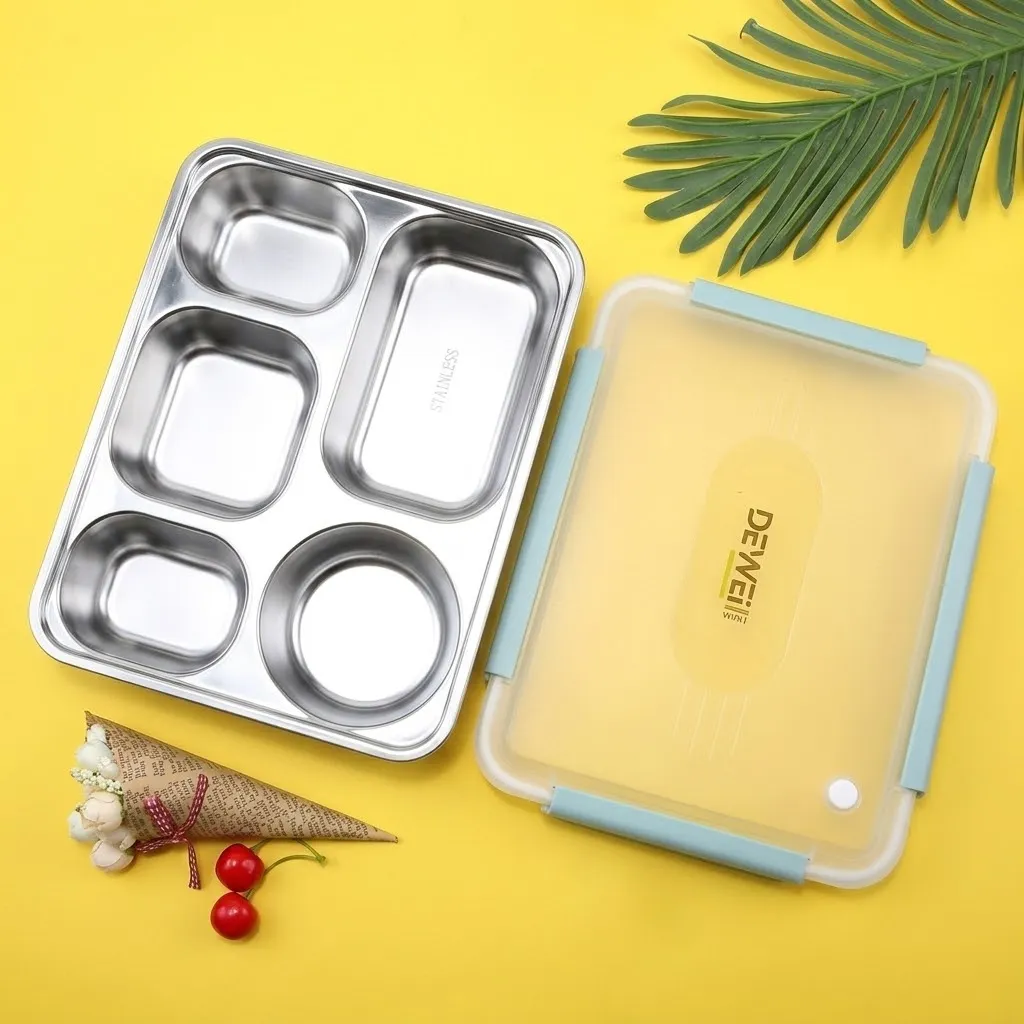
2.They ordered a batch of Xinghui’s No. 5 PP multi-compartment lunch boxes for sample testing:
- Boiling water test—no chemical odor
- Over 800 cycles in a commercial dishwasher—no warping
- Daily use for three consecutive months—lids remained tightly sealed
3.Xinghui assisted with customized production and designed packaging that met retail channel requirements.
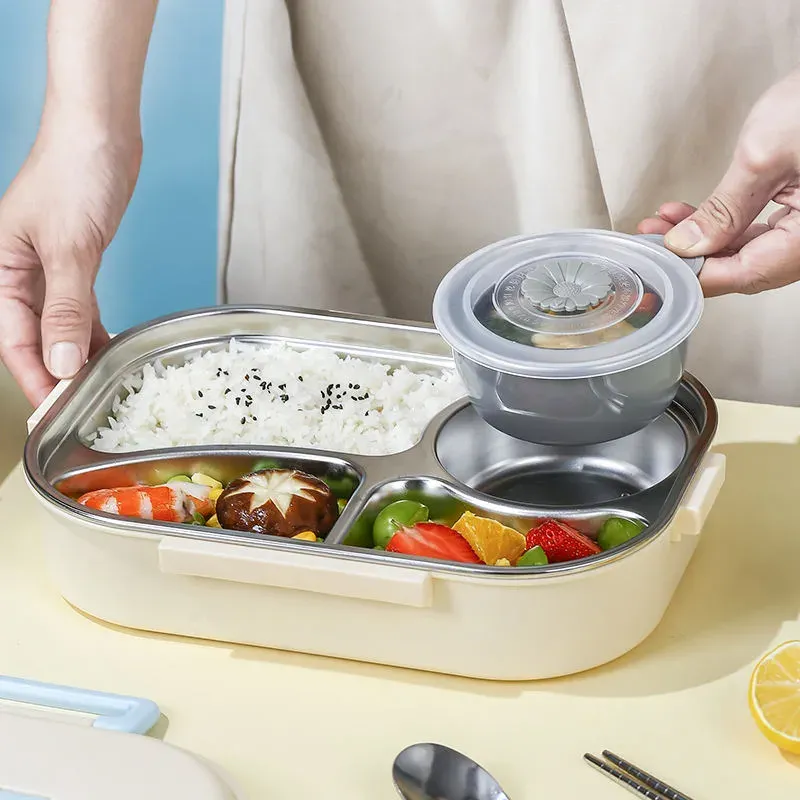
Within six months, the distributor’s customer complaint rate dropped by over 75%. Thanks to the improved quality, they were even able to raise retail prices, and customers were willing to pay the higher price. Subsequently, they expanded their order to include Xinghui’s water cups and kitchen storage containers.
Why is Xinghui Plasticware a Supplier Worth Choosing?
If you’re a wholesaler, retailer, or Amazon seller sourcing reliable food storage containers, here are three reasons to choose Xinghui:
- Clear credentials, no guesswork – FDA, SGS, and food-grade certifications openly displayed on our website. No ambiguity.
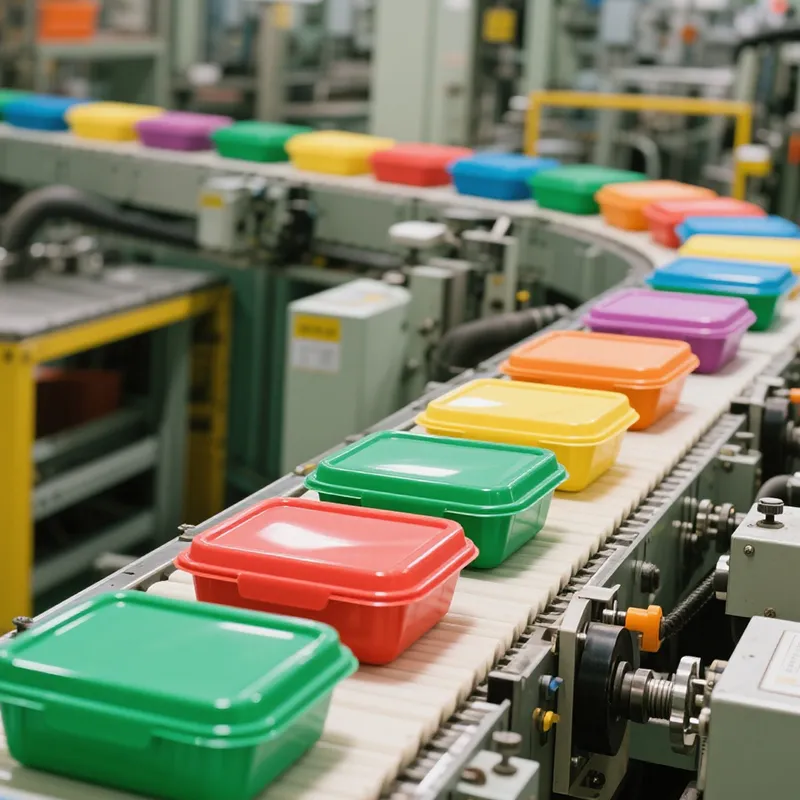
- Factory direct sales with uncompromised quality control: We manage everything in-house, from raw material procurement to injection molding and assembly.
- One-Stop Customization Service: From 2D/3D design to mold development and mass production, we provide Amazon sellers with FBA-friendly packaging and barcode services.
If you’re just buying for personal use, Xinghui’s products are durable, safe, and reasonably priced—a cut above those unbranded, questionable containers you find in supermarkets.
Conclusion
Most concerns about plastic containers stem from “not knowing how to choose.” But once you grasp the basic principles—No. 5 PP + a certified manufacturer + proper usage—it’s simple.
Xinghui Plasticware offers transparent materials, meets rigorous standards, and has extensive experience serving customers in over 60 countries. Whether you’re a business looking for a wholesale supplier or a household, Xinghui is a manufacturer you can trust.
Click here to contact Xinghui now!
FAQ
Q1: Can No. 5 PP lunch boxes be used in the microwave?
A:Yes, but remove the lid first. Xinghui’s PP lunch boxes can be heated on low to medium power for 2–3 minutes.
Q2: How often should plastic lunch boxes be replaced?
A:Every 2–3 years. Replace them if they show scratches, yellowing, or warping—don’t hesitate to do so.
Q3: How can I tell if it’s truly food-grade?
A:Check the bottom for “No. 5 PP,” look for “FDA/BPA-free” labeling, and verify the manufacturer’s certifications and export records. Only manufacturers like Xinghui that publicly display these credentials are trustworthy.