EN
EN  FR
FR  DE
DE  RU
RU  ES
ES  AR
AR  JA
JA  KO
KO 
As global demand for reusable kitchenware and food packaging continues to rise, buyers are paying more attention to the safety and quality of plastic containers used for food storage. As a professional plastic food storage containers manufacturer, Xinghui helps wholesalers, retailers, supermarkets, and kitchenware brands source reliable food-grade storage solutions for international markets.
Choosing the right Plastic Food Storage Containers is not only important for food safety, but also for customer satisfaction, regulatory compliance, and brand reputation. In this guide, Xinghui explains which plastic materials are considered safe for food storage and how B2B buyers can choose high-quality wholesale plastic containers suppliers.
Why Food-Safe Plastic Containers Matter
Food containers directly contact prepared meals, fruits, vegetables, sauces, and dry foods. Unsafe plastics may release harmful substances when exposed to heat, oil, or long-term storage conditions.
High-quality Plastic Containers should provide:
- Food-grade safety
- BPA-free materials
- Microwave-safe performance
- Freezer compatibility
- Leak-proof sealing
- Durable reusable construction
- Easy cleaning and odor resistance
For importers and distributors, sourcing certified Plastic Food Storage Containers helps reduce product risks and improve market competitiveness.
What Makes a Plastic Container Safe for Food Storage?
Food-safe Plastic Containers are manufactured using approved food-contact materials that comply with international standards such as FDA, LFGB, or EU regulations.
Key Characteristics of Safe Plastic Containers
- Non-toxic materials
- BPA-free composition
- Stable under temperature changes
- Resistant to chemical migration
- Reusable and recyclable
- Durable for repeated use
Professional Plastic Food Storage Containers manufacturers usually provide testing reports and quality certifications for export markets.
The Safest Types of Plastic for Food Storage
1. Polypropylene (PP – Plastic #5)
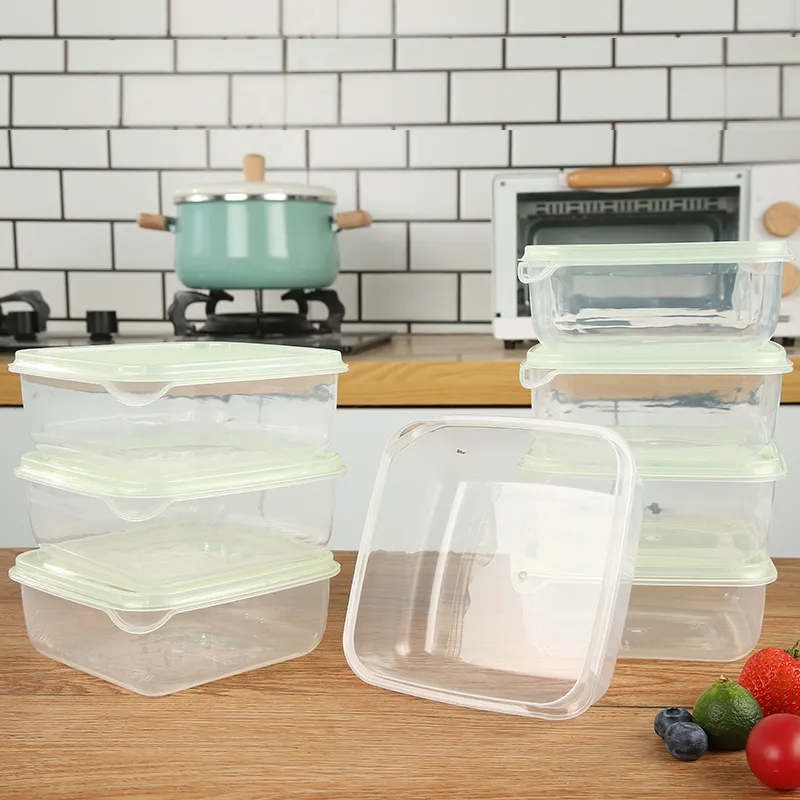
Polypropylene is one of the most commonly used materials for Plastic Food Storage Containers because of its excellent heat resistance and durability.
Benefits of PP Plastic Containers
- BPA-free options available
- Microwave-safe
- Lightweight yet durable
- Excellent chemical resistance
- Suitable for hot and cold foods
PP Plastic Containers are widely used for:
- Meal prep containers
- Commercial kitchen storage
- Takeaway packaging
- Reusable lunch boxes
- Wholesale food storage solutions
For B2B buyers, PP containers offer a strong balance between safety, affordability, and mass production efficiency.
2. High-Density Polyethylene (HDPE – Plastic #2)
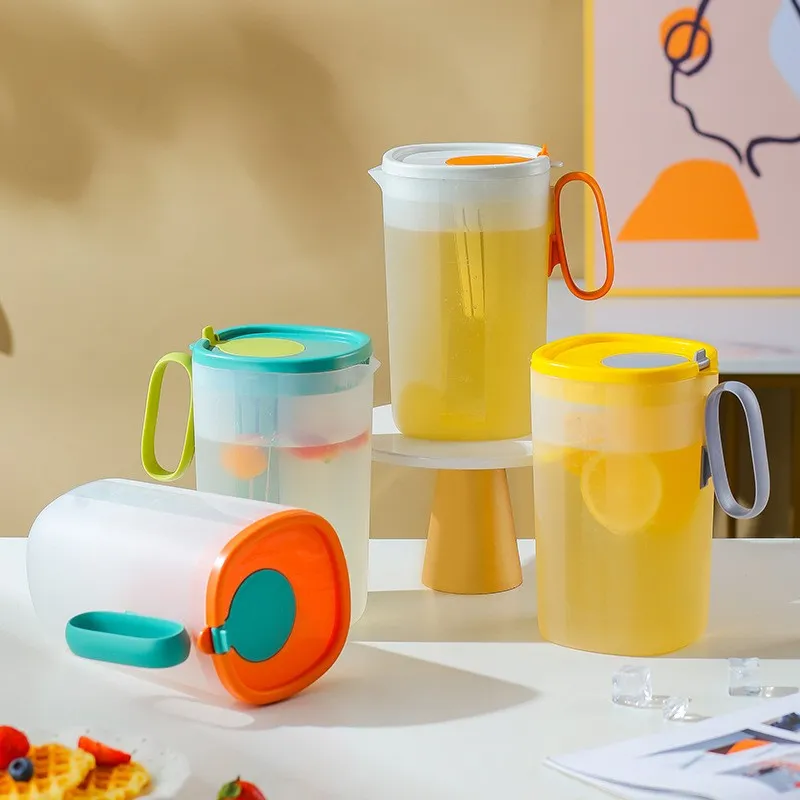
HDPE is another safe material commonly used in commercial food storage applications.
Advantages of HDPE Containers
- Excellent impact resistance
- Moisture-resistant structure
- Durable for long-term use
- Safe for dry foods and liquids
- Recyclable material
HDPE Plastic Containers are suitable for:
- Bulk ingredient storage
- Restaurant kitchens
- Food processing facilities
- Commercial food transport
3. PET Plastic (PETE – Plastic #1)
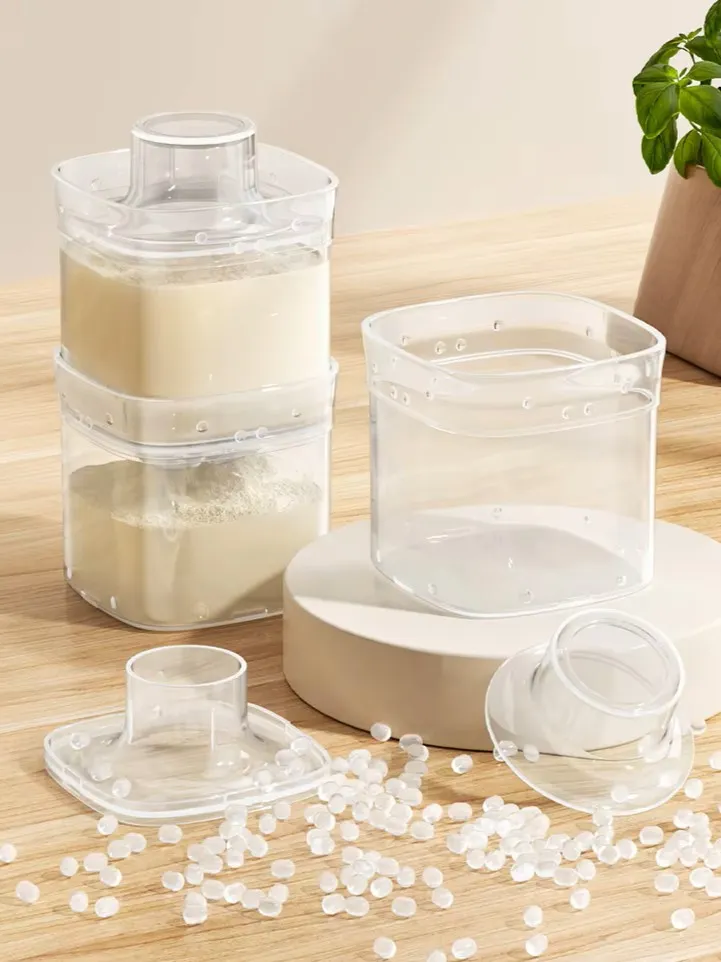
PET plastic is widely used for transparent food packaging because of its excellent clarity and lightweight design.
Benefits of PET Containers
- Crystal-clear appearance
- Good shelf presentation
- Lightweight and portable
- Recyclable material
- Strong moisture barrier
PET Plastic Containers are commonly used for:
- Salad packaging
- Fruit containers
- Snack packaging
- Retail food display
However, PET is generally not recommended for repeated microwave heating.
Plastics That Should Be Avoided
Some plastics are less suitable for food storage, especially under heat exposure.
Avoid Using:
- PVC (#3) for hot food applications
- Polystyrene (#6) for microwave heating
- Mixed plastics (#7) without food-grade certification
When sourcing Plastic Food Storage Containers wholesale, always request certification documents and material information from suppliers.
Why BPA-Free Plastic Containers Are Important
Consumers worldwide increasingly prefer BPA-free Plastic Containers because they are perceived as safer for daily food storage.
Popular market demands include:
- BPA-free food storage containers
- Reusable plastic meal prep containers
- Eco-friendly Plastic Containers
- Food-grade kitchen storage boxes
For wholesalers and private label brands, BPA-free Plastic Food Storage Containers can improve customer trust and retail sales performance.
How to Choose Reliable Plastic Food Storage Containers Suppliers
1. Verify Food-Grade Certifications
Professional Plastic Containers manufacturers should provide:
- FDA certification
- LFGB testing
- SGS reports
- EU food-contact compliance
2. Evaluate Manufacturing Capabilities
Reliable Plastic Food Storage Containers suppliers should offer:
- Stable mass production
- Strict quality inspection
- OEM/ODM services
- Custom mold development
- Flexible packaging options
3. Check Customization Options
Customized Plastic Containers are increasingly important for brand differentiation.
Common OEM customization services include:
- Custom logo printing
- Lid color customization
- Different container capacities
- Packaging design support
- Barcode labeling
4. Focus on Durability and Sealing Performance
Leak-proof Plastic Food Storage Containers are especially important for:
- Meal prep brands
- Food delivery companies
- Restaurant chains
- Supermarkets
Strong sealing performance helps reduce food leakage during transportation and storage.
Sustainable Trends in Plastic Food Storage Containers
Sustainability is becoming a major trend in the food packaging industry.
Many buyers now prioritize:
- Reusable Plastic Containers
- Recyclable materials
- Long-life kitchen storage products
- Lightweight eco-friendly packaging
- Sustainable manufacturing processes
Manufacturers that invest in eco-friendly production technologies often gain stronger advantages in global B2B markets.
Why Choose Xinghui as Your Plastic Food Storage Containers Manufacturer?
Xinghui specializes in manufacturing high-quality Plastic Food Storage Containers for wholesalers, importers, retailers, supermarkets, and kitchenware brands worldwide.
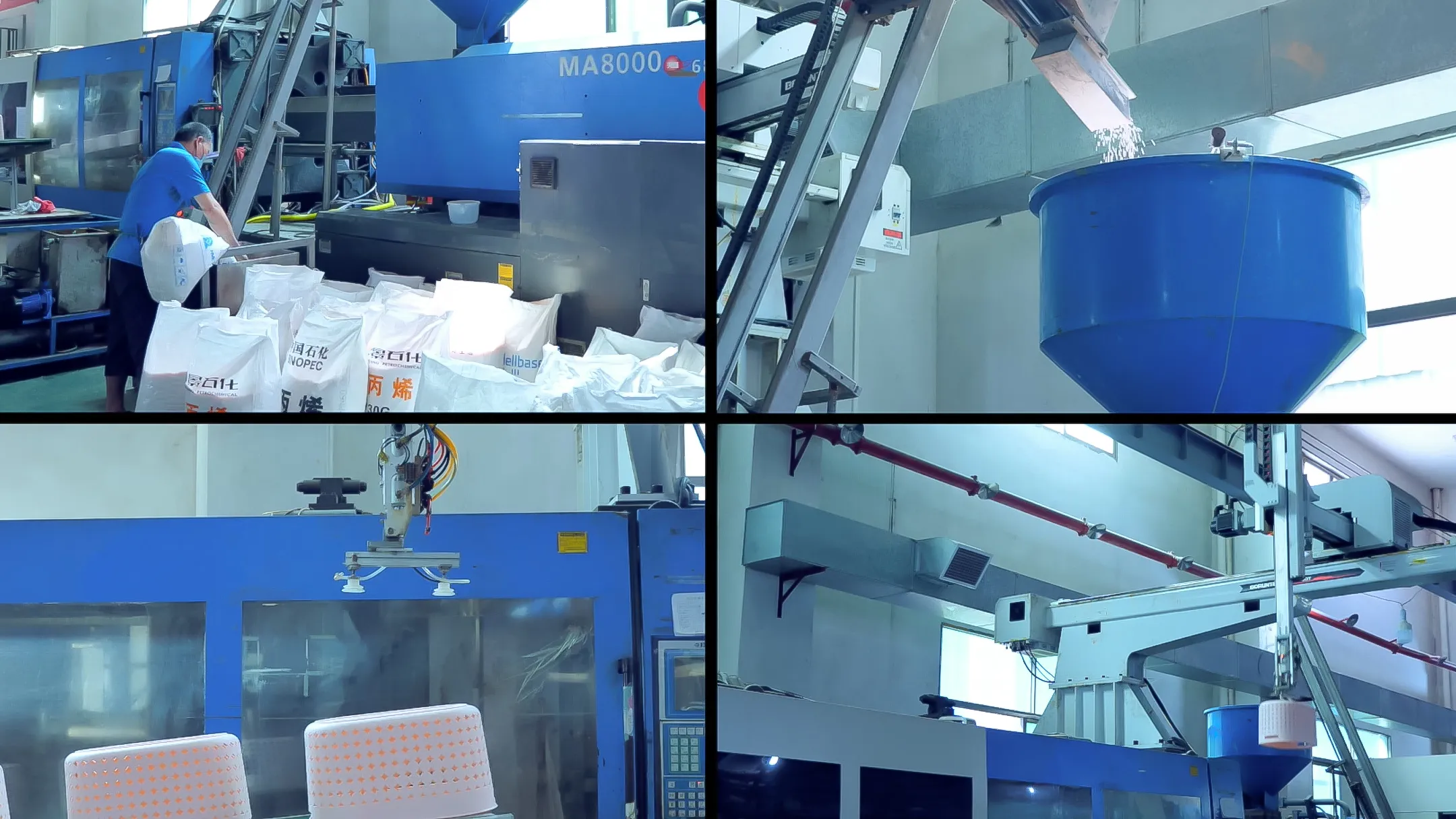
Xinghui Advantages
- Food-grade raw materials
- BPA-free production options
- OEM & ODM customization
- Competitive wholesale pricing
- Strong export experience
- Stable supply capacity
- Strict quality control system
From reusable meal prep containers to custom Plastic Containers for retail brands, Xinghui provides flexible manufacturing solutions designed for global buyers.
Conclusion
Choosing safe plastic containers for food storage is essential for protecting food quality, meeting international regulations, and improving customer satisfaction. Materials such as PP, HDPE, and PET remain some of the safest and most widely used options for plastic food storage containers.
As a trusted plastic food storage containers manufacturer, Xinghui provides food-grade, BPA-free, and customizable storage solutions for wholesalers, importers, and private label brands worldwide. If you are looking for reliable OEM Plastic Containers suppliers, Xinghui can help you develop high-quality products tailored to your market needs.
Contact Xinghui today to get wholesale quotations, customization support, and free product consultation.
FAQ
1. What is the safest plastic for food storage containers?
Polypropylene (PP) is considered one of the safest plastics for food storage because it is heat-resistant, durable, and widely used in microwave-safe containers.
2. Are BPA-free Plastic Containers better?
Yes. BPA-free Plastic Food Storage Containers are preferred in many markets because they avoid chemicals that consumers may want to avoid in food-contact products.
3. Can all Plastic Containers be microwaved?
No. Only microwave-safe materials such as PP plastic are recommended for microwave heating. Always follow manufacturer instructions.
4. What certifications should Plastic Food Storage Containers have?
Common certifications include FDA, LFGB, SGS, and EU food-contact compliance reports.
5. Does Xinghui provide OEM Plastic Food Storage Containers?
Yes. Xinghui offers OEM and ODM services including custom logo printing, sizes, colors, packaging, and wholesale production solutions.