RU
RU  EN
EN  FR
FR  DE
DE  ES
ES  AR
AR  JA
JA  KO
KO 
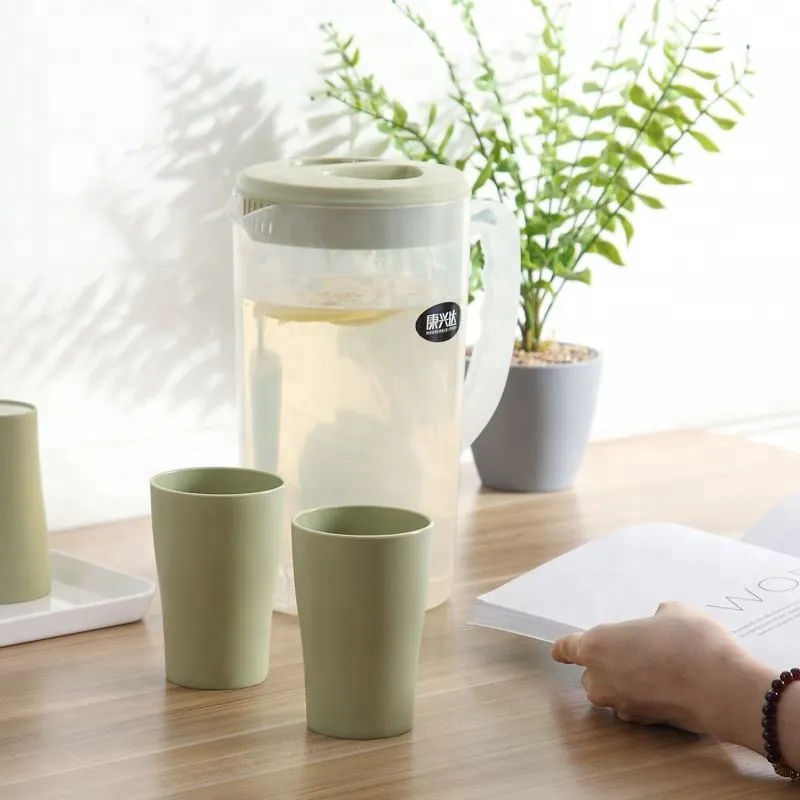
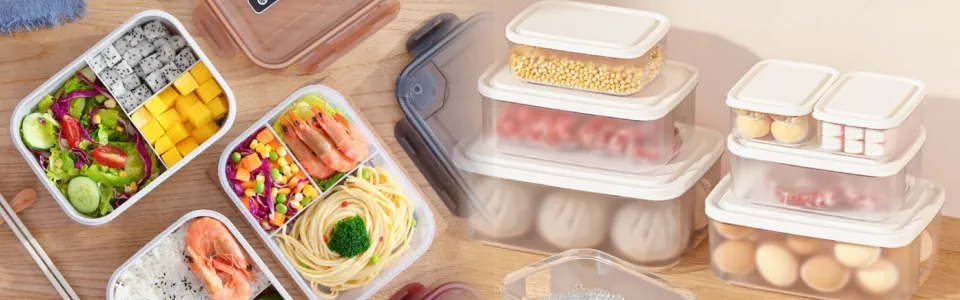
Для многих брендов, импортеров, супермаркетов и дистрибьюторов товаров для дома полипропилен (ПП) является одним из наиболее распространенных материалов, используемых в контейнеры для хранения продуктов. ПП используется в ланч-боксах, контейнерах для приготовления еды, контейнерах для хранения в холодильнике, контейнерах для пищи, пригодных для использования в микроволновой печи, крышках, стаканах для воды, бутылках для приправ и многих других повседневных кухонных изделиях.
Однако покупатели часто задают следующий вопрос: безопасен ли полипропилен (ПП) для изготовления контейнеров для хранения продуктов?
Простой ответ — да: полипропилен (ПП) пищевого назначения, как правило, считается пригодным для хранения пищевых продуктов при условии его правильного производства и использования по назначению. Однако безопасность также зависит от ряда важных факторов: качества сырья, добавок, красителей, контроля производства, термостойкости, структуры изделия, а также от того, предназначен ли контейнер для хранения в холодильнике, горячего розлива, нагрева в микроволновой печи, использования в морозильной камере или ежедневного многократного использования.
Для покупателей в сегменте B2B главный вопрос должен звучать так: изготовлен ли этот контейнер для хранения продуктов из полипропилена (PP) надежным производителем, обладающим глубокими знаниями в области материалов, стабильными производственными мощностями и опытом разработки продукции по индивидуальному заказу?
Что такое полипропилен?
PP — это сокращение от «полипропилен». Это термопластичный материал, широко используемый в производстве упаковки для пищевых продуктов, товаров для дома, кухонной посуды, медицинских изделий и товаров широкого потребления.
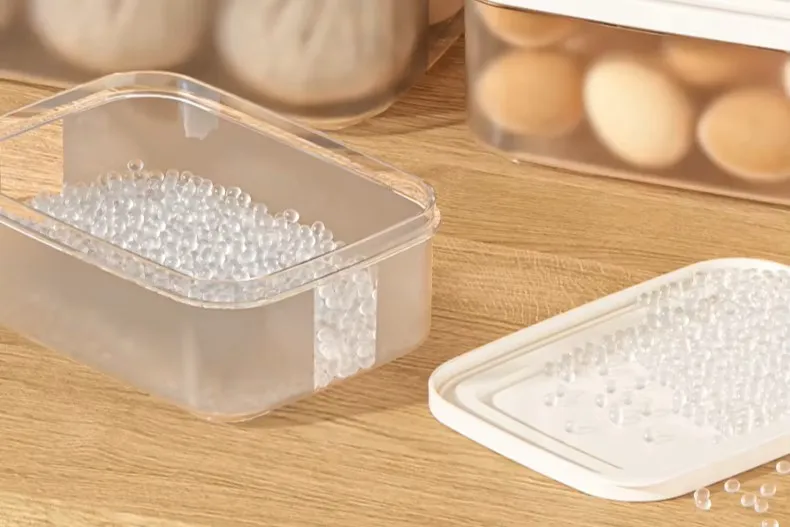
В контейнерах для хранения продуктов полипропилен (ПП) пользуется популярностью благодаря оптимальному соотношению безопасности, стоимости, долговечности, гибкости и термостойкости. По сравнению с некоторыми другими видами пластмасс ПП относительно легок, обладает хорошей ударопрочностью и отлично подходит для многих повседневных задач по хранению продуктов.
ПП также часто маркируется кодом переработки “5”, который многие потребители ассоциируют с одним из распространенных видов пластика, используемого для изготовления пищевых контейнеров, стаканчиков для йогурта, крышек для бутылок, ланч-боксов и многоразовых изделий для хранения.
Почему полипропилен (ПП) так широко используется для изготовления контейнеров для хранения продуктов?
ПП выбирают не только из-за его доступной цены. Он широко используется благодаря своим хорошим эксплуатационным характеристикам в реальных бытовых и коммерческих условиях.
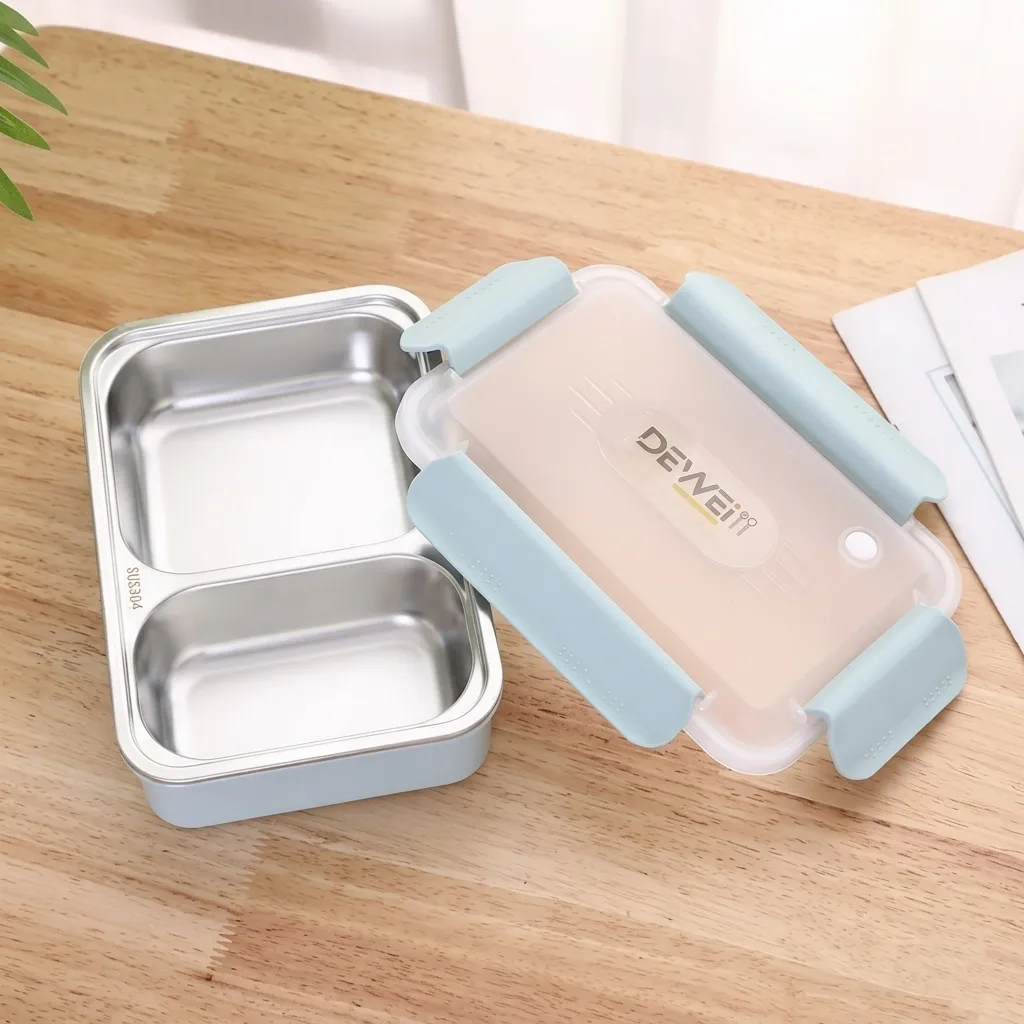
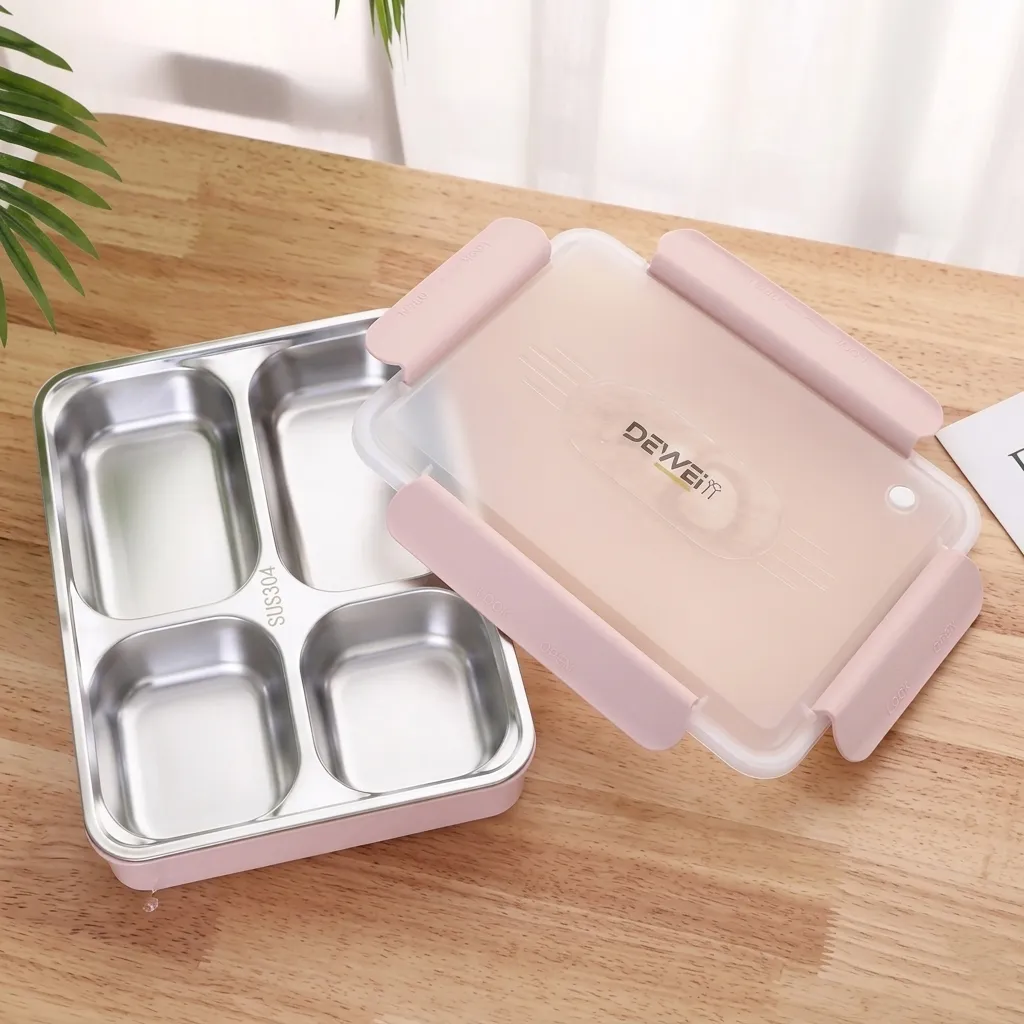
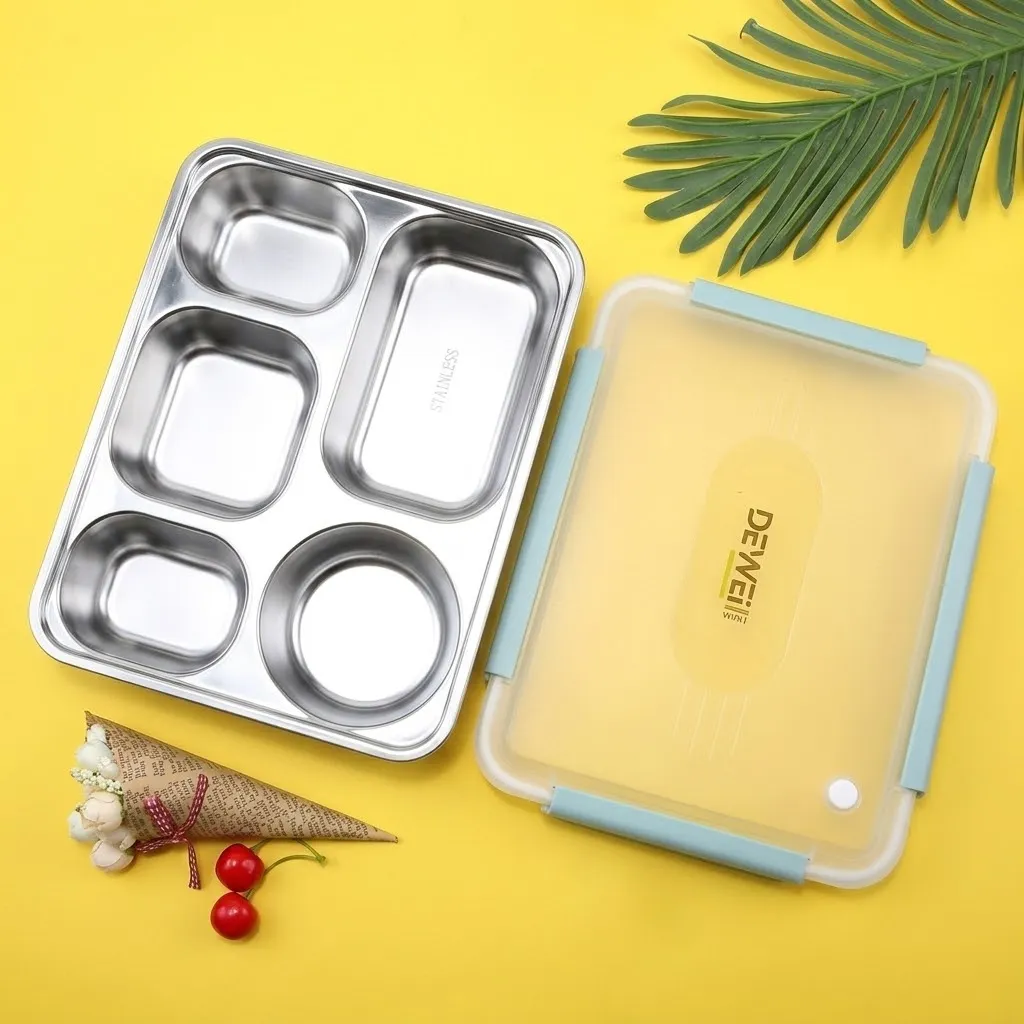
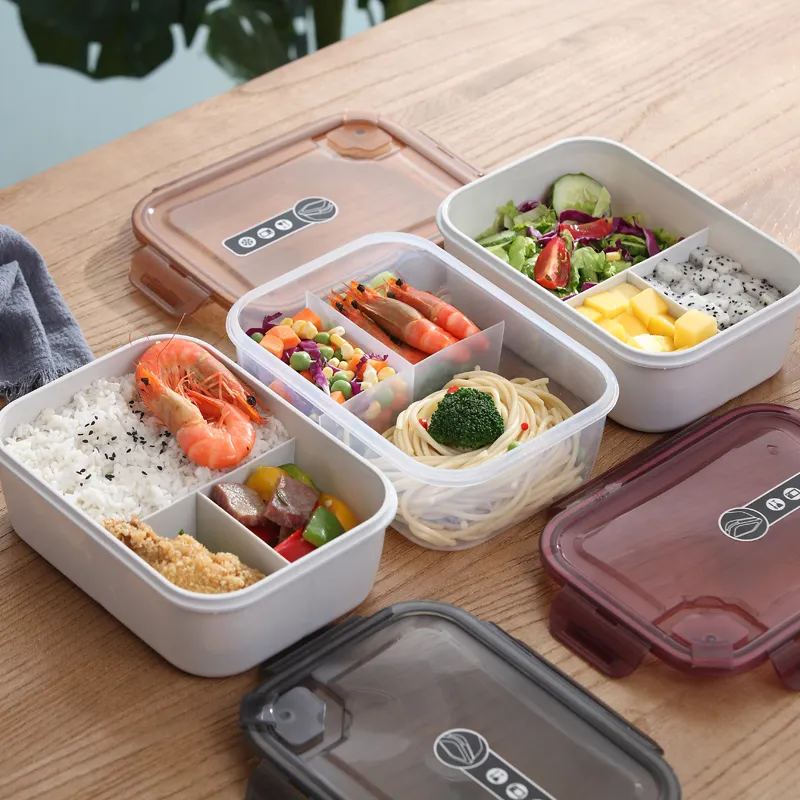
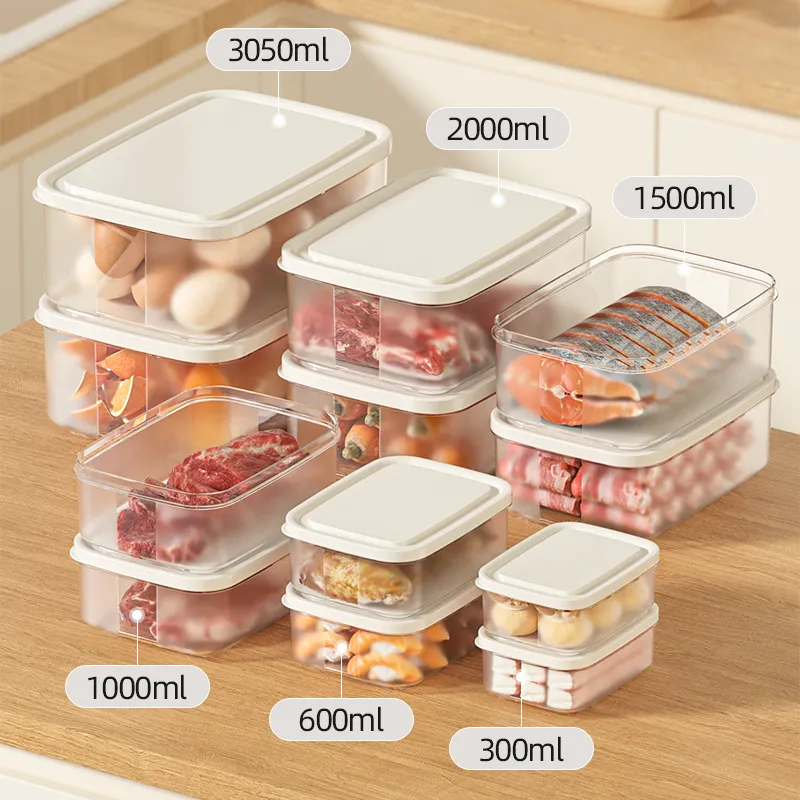
Что касается брендов контейнеров для хранения продуктов, полипропилен (PP) позволяет реализовать множество вариантов дизайна продукции, в том числе штабелируемые контейнеры, прозрачные или полупрозрачные корпуса, разноцветные крышки, конструкции с защелкивающимися крышками, ланч-боксы с отделениями, детские ланч-боксы и наборы контейнеров разных размеров.
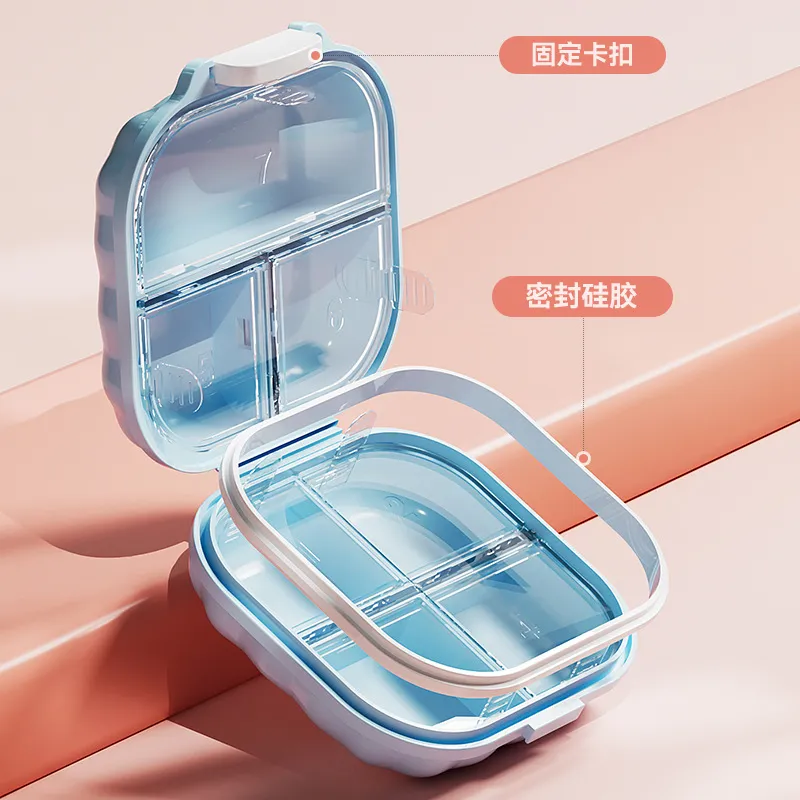
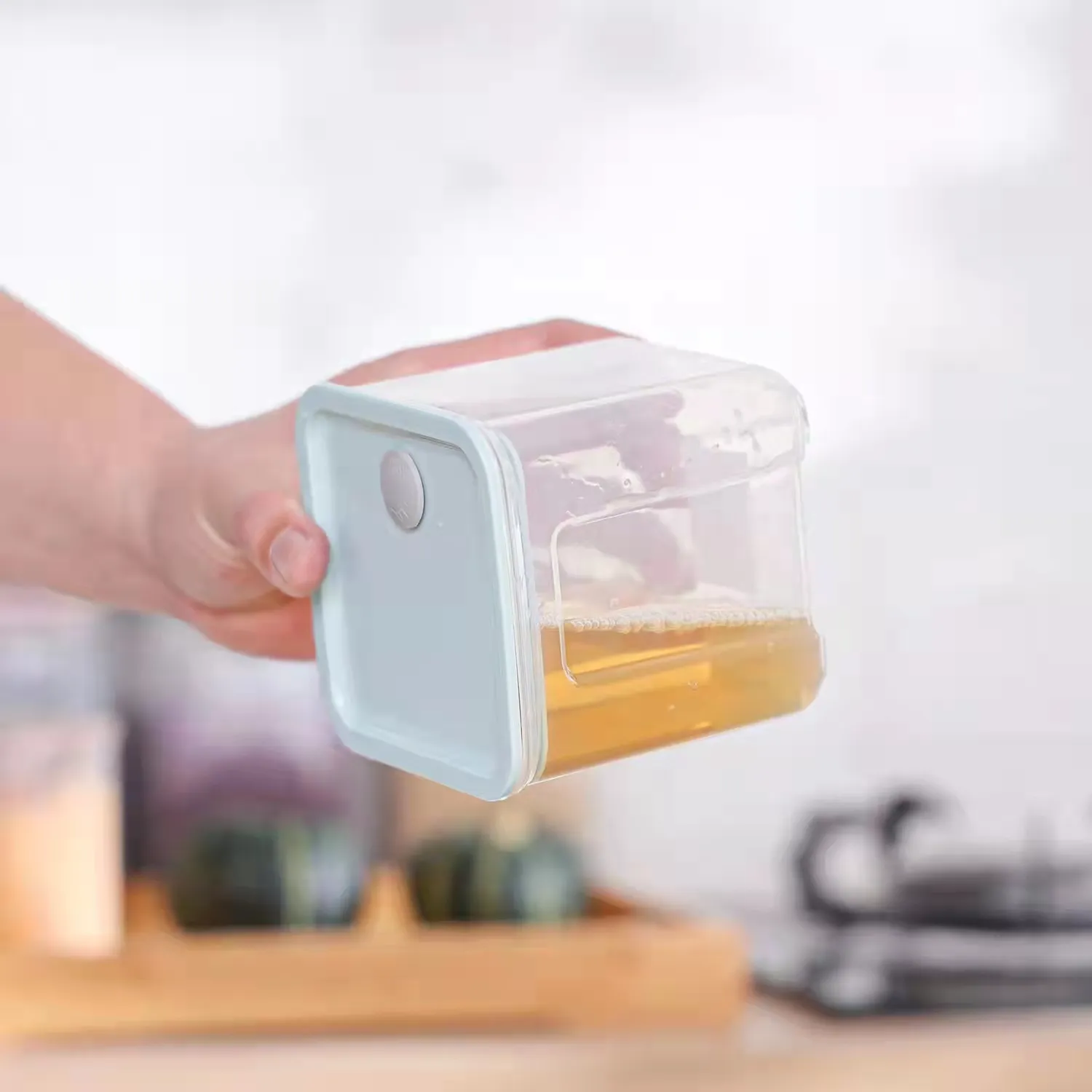
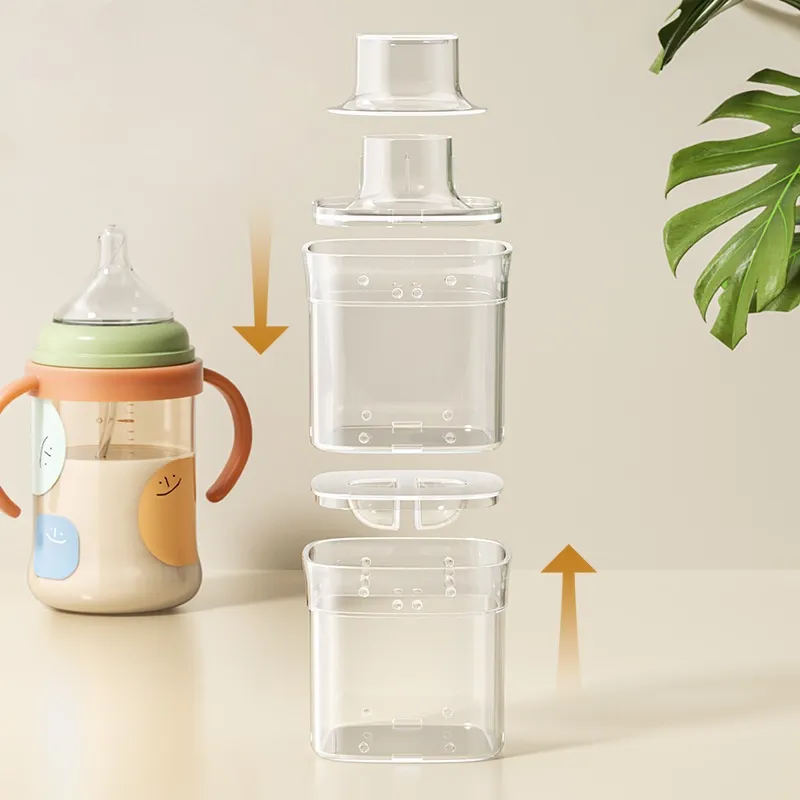
Для производителей полипропилен (ПП) также подходит для литья под давлением. Это означает, что его можно эффективно производить в больших количествах с стабильной формой, равномерной толщиной и контролируемыми размерами. Для заказчиков, работающих по схемам OEM/ODM, это делает ПП практичным материалом как для выбора готовой продукции, так и для разработки индивидуальных форм.
Безопасен ли полипропилен (ПП) для пищевых продуктов?
Пищевой полипропилен (ПП) может быть безопасен для контакта с пищевыми продуктами, если он соответствует действующим нормам в отношении материалов, контактирующих с пищевыми продуктами, и используется в соответствии с предусмотренными условиями.
Это означает, что покупатели не должны просто спрашивать: “Безопасен ли полипропилен (ПП)?”. Лучше задать следующий вопрос: “Является ли данный полипропилен пищевым материалом и предназначена ли готовая тара для того, как потребители будут её использовать?”
Например, к полипропиленовой таре, предназначенной исключительно для хранения сухих закусок, могут предъявляться иные требования к испытаниям, чем к таре, предназначенной для разогрева в микроволновой печи. Тара, используемая для хранения охлажденных фруктов, отличается от ланч-бокса, предназначенного для горячих блюд. Изделие, рассчитанное на многократное мытье в посудомоечной машине, также требует более строгого контроля качества материалов и конструкции.
Одним словом, безопасность PP зависит от трёх факторов:
- Выбор материалов, пригодных для контакта с пищевыми продуктами
Смола, добавки, мастербатч и красители должны быть пригодны для изделий, предназначенных для контакта с пищевыми продуктами. - Правильное проектирование продукта
Контейнер должен быть спроектирован с учетом его фактического назначения, например, для хранения в холодильной камере, розлива горячих продуктов, разогрева в микроволновой печи, герметичной упаковки, штабелирования или транспортировки. - Контролируемое производство
Температура литья под давлением, точность формы, толщина стенок, конструкция уплотнения и контроль качества — все эти факторы влияют на эксплуатационные характеристики конечного изделия.
Плюсы и минусы пищевых контейнеров из полипропилена
Плюсы
Легкий и удобный для переноски:
Контейнеры из полипропилена (ПП) легче стеклянных, благодаря чему они подходят для использования в качестве ланч-боксов, наборов для приготовления еды, контейнеров для детского питания, а также для использования на открытом воздухе и доставки товаров, приобретенных через интернет-магазины.
Хорошая износостойкость при повседневном использовании:
ПП обладает хорошей ударопрочностью и менее подвержен поломкам по сравнению со стеклом. Это делает его практичным выбором для семей, розничных магазинов, супермаркетов и покупателей рекламной продукции.
Подходит для множества индивидуальных проектов:
ПП хорошо подходит для литья под давлением. Производители могут разрабатывать изделия различной формы, объёма, с различными крышками, отсеками, цветами и вариантами логотипов.
Экономически выгодно для массового производства:
Для покупателей в сегменте B2B полипропилен (PP) является оптимальным выбором при поиске баланса между качеством продукции, розничной ценой, стоимостью доставки и закупками в больших объемах.
Хорошая устойчивость к воздействию многих видов пищевых продуктов:
ПП хорошо подходит для хранения многих распространенных продуктов, включая сухие продукты, остатки еды, фрукты, овощи, зерновые, закуски и различные соусы.
Гибкие возможности в области OEM/ODM:
Для ПП-тары возможны индивидуальная подборка цветов, нанесение логотипа, разработка дизайна упаковки, создание этикеток и разработка конструкции.
Минусы
Не все контейнеры из полипропилена (ПП) можно использовать в микроволновой печи:
Некоторые полипропиленовые контейнеры можно использовать для нагрева в микроволновой печи, но только в том случае, если они специально предназначены для этого и имеют соответствующую маркировку. Покупателям следует уточнить назначение изделия перед оформлением заказа.
Прозрачность ниже, чем у некоторых видов пластика:
ПП, как правило, не обладает такой же кристальной прозрачностью, как ПЭТ или некоторые другие прозрачные пластики. Если покупатели хотят добиться эффекта максимальной прозрачности, выбор материала следует тщательно обсудить.
Может деформироваться под воздействием чрезмерного нагрева:
Несмотря на то что полипропилен обладает более высокой термостойкостью, чем многие другие пластики, он всё же может деформироваться при воздействии неподходящих высоких температур.
Качество зависит от поставщика:
Низкокачественные материалы, ненадлежащий контроль качества литья, хрупкие крышки или нестабильная цветопередача могут повлиять на безопасность, внешний вид и удобство использования.
Не подходит для всех видов приготовления пищи:
В случае высокоспециализированных задач, связанных с контактом с пищевыми продуктами, покупателям, возможно, потребуется сравнить полипропилен (PP) с полиэтилентерефталатом (PET), полиэтиленом (PE), тританом, стеклом, нержавеющей сталью или биоразлагаемыми материалами.
ПП по сравнению с другими распространенными материалами для пищевой тары
Полипропилен (ПП) — отличный выбор для многоразовых контейнеров для хранения продуктов, особенно когда покупателям необходимо найти оптимальный баланс между прочностью, стоимостью и возможностью индивидуальной настройки.
ПЭТ часто отличается большей прозрачностью и широко используется для изготовления бутылок и презентационной упаковки, однако, как правило, он менее подходит для применения при высоких температурах. ПЭ является гибким материалом и часто используется для изготовления крышек, бутылок и мягкой упаковки, но может не обеспечивать такую же жесткость, как ПП. АБС обладает высокой прочностью и привлекателен для некоторых бытовых товаров, но не всегда является лучшим выбором для изготовления корпусов тары, непосредственно контактирующей с пищевыми продуктами. Стекло выглядит престижно и обладает термостойкостью, но оно тяжелее, более хрупкое и дороже в транспортировке.
Именно поэтому многие бренды бытовой продукции выбирают полипропилен (ПП) для производства контейнеров для хранения продуктов, контейнеров для обедов, контейнеров для приготовления блюд и повседневных кухонных систем хранения.
На что следует обратить внимание покупателям в сегменте B2B перед заказом пищевых контейнеров из полипропилена?
Если вы занимаетесь закупкой полипропиленовых контейнеров для хранения продуктов питания для оптовой или розничной торговли, импорта или проектов по производству продукции под собственной торговой маркой, обратите внимание на следующие ключевые моменты.
Марка материала:
Уточните, подходит ли данный материал для изделий, предназначенных для контакта с пищевыми продуктами, и может ли поставщик предоставить соответствующую информацию о материале.
Сценарий использования:
Уточните, предназначен ли данный продукт для хранения в холодильнике, использования в морозильной камере, разогрева в микроволновой печи, мытья в посудомоечной машине, использования на открытом воздухе, хранения детского питания или хранения сухих продуктов.
Требования к температуре:
Различные проекты могут предъявлять разные требования к температурным характеристикам. Сообщите производителю, как конечный пользователь будет эксплуатировать контейнер.
Конструкция крышки и уплотнения:
Для контейнеров для хранения продуктов очень важна герметичность. Покупателям следует проверить плотность прилегания крышки, прочность защелки, конструкцию силиконового кольца (если оно имеется) и удобство открывания.
Толщина и структура стены:
Контейнер должен быть устойчивым, не слишком тонким и не подверженным деформации во время эксплуатации или транспортировки.
Возможности настройки:
Уточните, предоставляет ли производитель следующие услуги: печать логотипов, подбор цвета, нанесение маркировки, упаковку, разработку новых пресс-форм, корректировку размеров и изменения функциональной конструкции.
Скорость отбора проб:
При выпуске новых продуктов быстрое утверждение образцов позволяет сократить весь цикл закупки.
Производственная мощность:
Крупные покупатели должны уточнить ежемесячные производственные мощности, количество оборудования, размеры завода и стабильность серийного производства.
Часто задаваемые вопросы: Контейнеры для хранения продуктов из полипропилена
Безопасен ли полипропилен (ПП) для изготовления пищевых контейнеров?
Да, полипропилен пищевого качества широко используется для изготовления контейнеров для хранения продуктов. При условии соблюдения надлежащего контроля качества при производстве и использования в соответствии с назначением он подходит для многих повседневных задач по хранению продуктов.
Можно ли использовать пищевые контейнеры из полипропилена в микроволновой печи?
Некоторые контейнеры из полипропилена (ПП) могут быть пригодны для использования в микроволновой печи, однако не все контейнеры из ПП предназначены для нагрева в микроволновой печи. Перед оформлением заказа покупателям следует уточнить конструктивные особенности изделия, требования к испытаниям и наличие маркировки о пригодности к использованию в микроволновой печи.
Является ли ПП лучшим материалом для контейнеров для хранения продуктов, чем ПЭТ?
Это зависит от области применения. ПП часто лучше подходит для многоразовых пищевых контейнеров, ланч-боксов и изделий, требующих повышенной термостойкости. ПЭТ, как правило, более прозрачен и подходит для демонстрационной упаковки, бутылок и контейнеров, предназначенных для использования с холодными продуктами.
Можно ли изготовить контейнеры из полипропилена по индивидуальному заказу?
Да. Контейнеры для хранения продуктов из полипропилена (ПП) позволяют наносить логотипы, выбирать индивидуальные цвета, размещать этикетки, оформлять упаковку, изменять размеры, модифицировать конструкцию и разрабатывать новые формы. Благодаря этому ПП является практичным материалом для проектов OEM/ODM.
Какие покупатели обычно выбирают пищевые контейнеры из полипропилена?
ПП-тара пользуется популярностью среди оптовиков, супермаркетов, импортеров, дистрибьюторов, продавцов в сфере электронной коммерции, брендов кухонной посуды, компаний, производящих рекламную продукцию, а также брендов бытовой химии, выпускающих продукцию под собственными торговыми марками.
Как я могу узнать, подходит ли тара из полипропилена для моего рынка?
Вам следует обсудить с производителем целевой рынок, сценарий использования, способ упаковки, требования к маркировке и нормативные требования. Профессиональный производитель контейнеров для хранения продуктов питания поможет подобрать подходящий материал, конструкцию и производственное решение.
Почему стоит сотрудничать с Пластиковые изделия Синьхуэй?
Пластиковые изделия Синьхуэй — это производитель контейнеров для хранения продуктов питания на заказ, основанный в 2000 году. Благодаря многолетнему опыту в сфере производства пластиковых товаров для дома компания «Синхуй» создала надежную производственную систему, охватывающую разработку продукции, литье под давлением, изготовление на заказ, продажи и послепродажное обслуживание.
Завод предлагает более 200 проверенных моделей продукции, в том числе контейнеры для хранения продуктов, ланч-боксы, бутылки для воды, бутылки для приправ, стаканы и другие пластиковые товары для дома. В рамках индивидуальных проектов компания Xinghui предлагает как легкую, так и глубокую кастомизацию.
Легкая индивидуализация включает в себя печать логотипа, термотрансферную печать, УФ-печать, трафаретную печать, лазерную маркировку, подбор цвета, нанесение этикеток и корректировку упаковки. Глубокая индивидуализация включает в себя проектирование конструкции, замену материалов, разработку функций, корректировку размеров, разработку пресс-форм, а также полную поддержку проектов по схеме OEM/ODM.
Компания «Синхуй» также обеспечивает полный цикл изготовления продукции по индивидуальному заказу: от обсуждения требований, создания 2D/3D-чертежей, утверждения образцов, напечатанных на 3D-принтере, изготовления пресс-форм, их оптимизации, утверждения образцов до запуска серийного производства. Обладая более чем 30 автоматическими литьевыми машинами, производственными площадями площадью 15 000 квадратных метров, производственной мощностью 2 миллиона единиц в месяц, а также командами по проектированию продукции и разработке пресс-форм, компания Xinghui может сопровождать заказчиков на всех этапах — от изготовления одного образца до серийного производства в миллионных объемах.
Если вы ищете надежного производителя контейнеров для хранения продуктов — полипропиленовых контейнеров для пищевых продуктов, ланч-боксов, бутылок для воды или пластиковых изделий бытового назначения, изготовленных по индивидуальному заказу, Пластиковые изделия Синьхуэй поможет вам разработать безопасные, практичные и готовые к выходу на рынок продукты для клиентов по всему миру. Свяжитесь с Xinghui уже сегодня, чтобы обсудить ваш проект OEM/ODM и получить оперативную поддержку в вопросах проектирования, изготовления образцов, производства и доставки.