EN
EN  FR
FR  DE
DE  RU
RU  ES
ES  AR
AR  JA
JA  KO
KO 
In today’s highly competitive home and kitchen goods market, packaging has long ceased to be merely a tool for “protecting products”; it has become a critical component of brand communication and sales conversion. This is especially true for Chinese manufacturers like Xinghui Plasticware, which integrates production and wholesale operations, as packaging directly influences customers’ purchasing decisions and repeat purchase rates.
According to industry trend analysis, modern food and kitchen packaging is evolving toward minimalist design, eco-friendly materials, and functional structures. This means:
- Customers are not only concerned with the product itself
- But also whether the packaging is eco-friendly, practical, and easy to transport
- While also valuing brand expression and visual experience
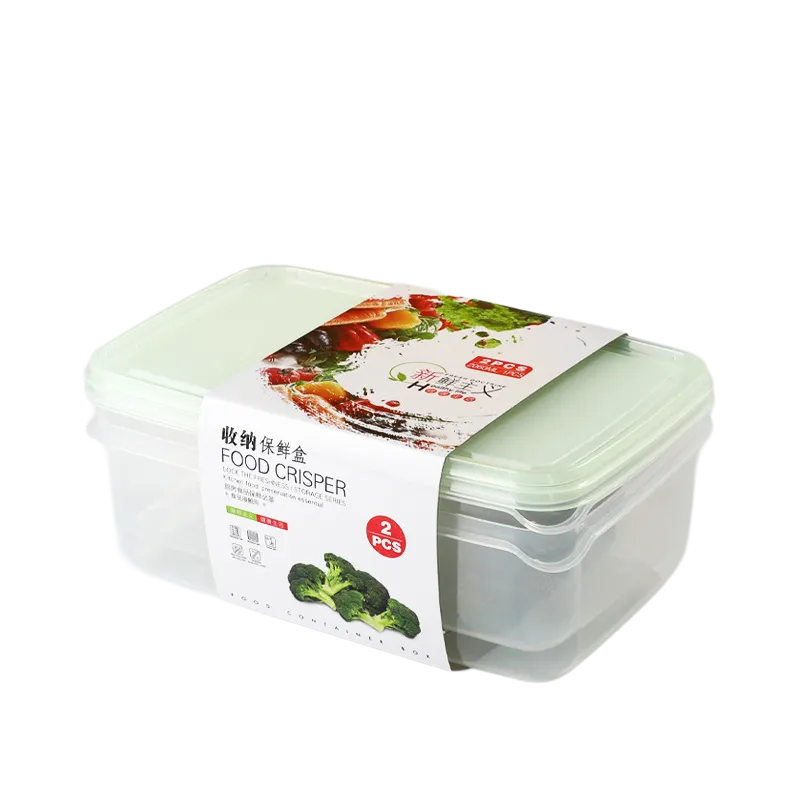
Therefore, a well-thought-out packaging strategy has become one of the key criteria for B2B clients when selecting suppliers.
An Overview of the Core Functions of Kitchen Storage Container Packaging
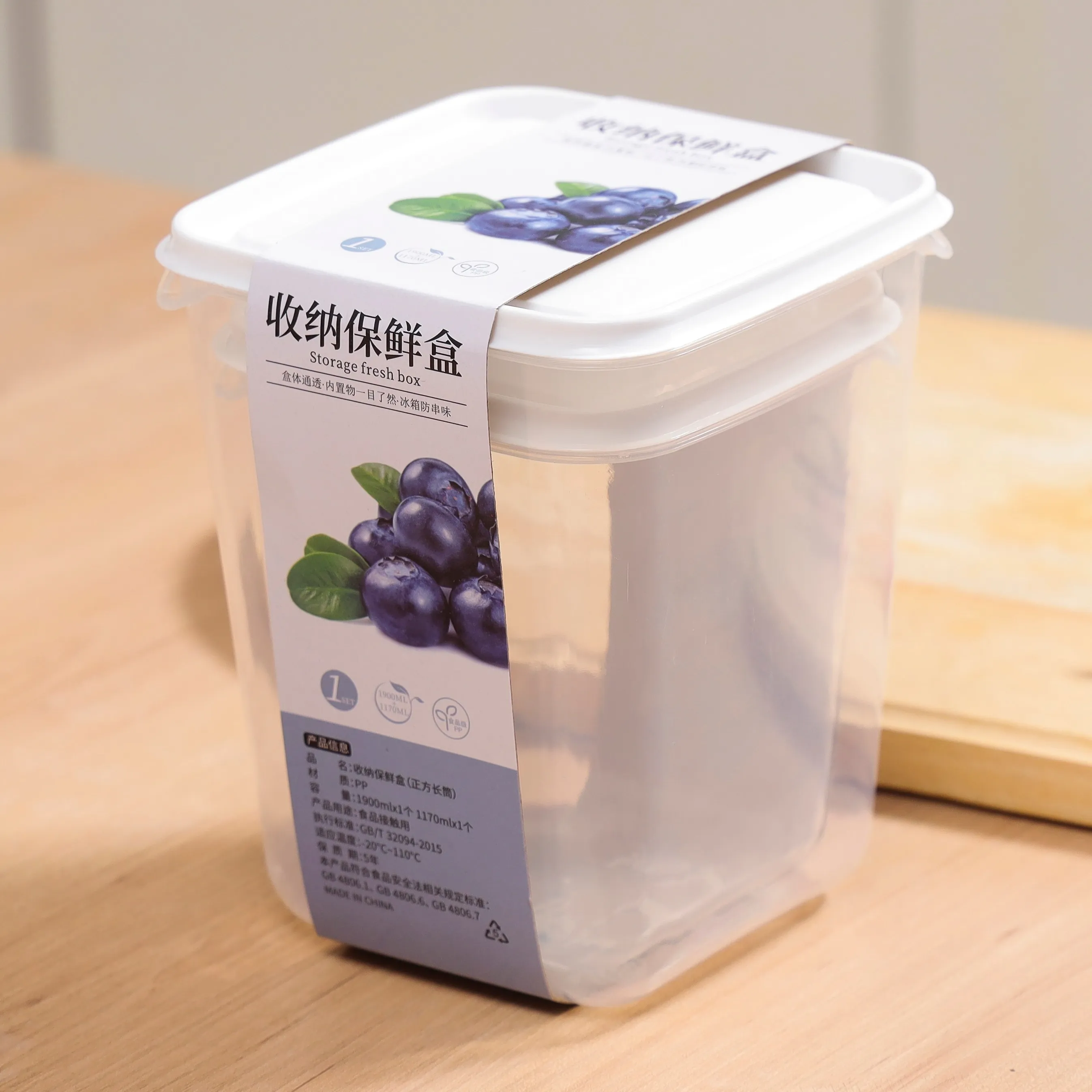
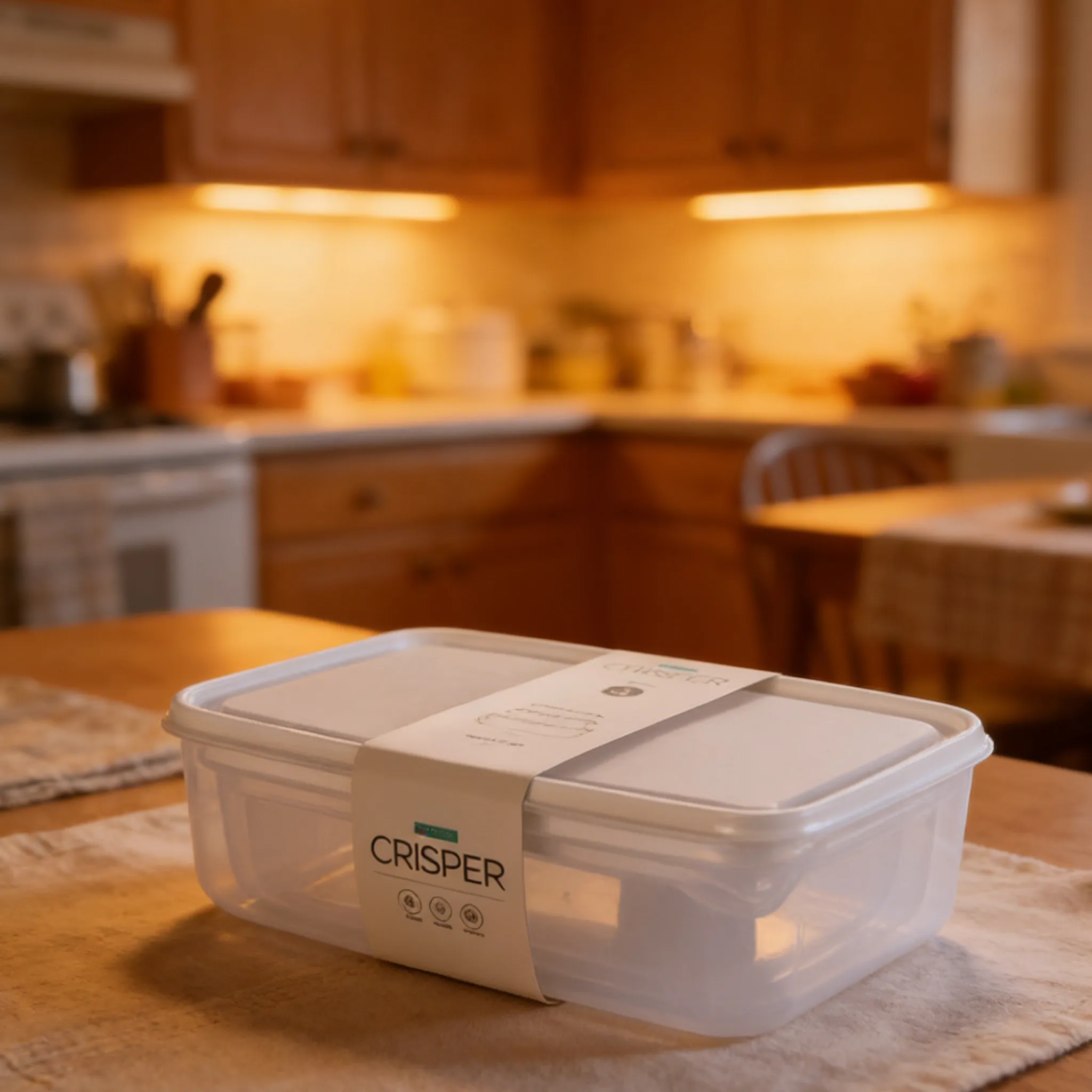
Before designing packaging, it is essential to understand its three core functions:
1.Protection
Kitchen storage containers (such as food storage containers and lunch boxes) are typically made of plastic or glass and are prone to the following issues during transportation:
- Crushing and deformation
- Scratches
- Damage to the sealing structure
👉 Solutions:
- Use inner lining structures (bubble wrap / molded pulp)
- Multi-layer packaging structures (inner box + outer carton)
2.Freshness Preservation and Sealing Display (Function Display)
For food storage products, packaging must highlight key selling points:
- Airtight sealing
- Moisture and pest resistance
- Food-safe materials
Research indicates that sealing performance has become one of the key factors consumers consider when choosing storage containers.
3.Branding and Marketing Functions (Branding)
Packaging acts as a “silent salesperson”:
- Logo display
- Usage scenario illustrations
- Brand storytelling
Modern packaging trends emphasize:
- Concise messaging
- Strong visual identity
Packaging Technique Comparison: Traditional Packaging vs. Modern Optimized Packaging
| Comparison Dimension | Traditional Packaging | Optimized Packaging Strategy (Recommended) |
|---|---|---|
| Material | Standard plastic bags | Recyclable paper boxes + eco-friendly inner supports |
| Structure | Single-layer packaging | Layered protective structure |
| Visuals | Cluttered information | Minimalist & brand-focused design |
| Function Highlight | Not emphasized | Emphasizes sealing, leak-proof, and other key features |
| User Experience | Basic unboxing | Enhanced “unboxing experience” design |
| Space Utilization | Irregular arrangement | Stackable / modular design |
👉 Trend Overview:
- Modular and stackable designs are becoming mainstream, significantly improving storage and transportation efficiency
- Minimalist design not only enhances brand perception but also reduces printing costs
6 Practical Packaging Tips (Suitable for Xinghui Plasticware)
1.Modular and Set Packaging Design
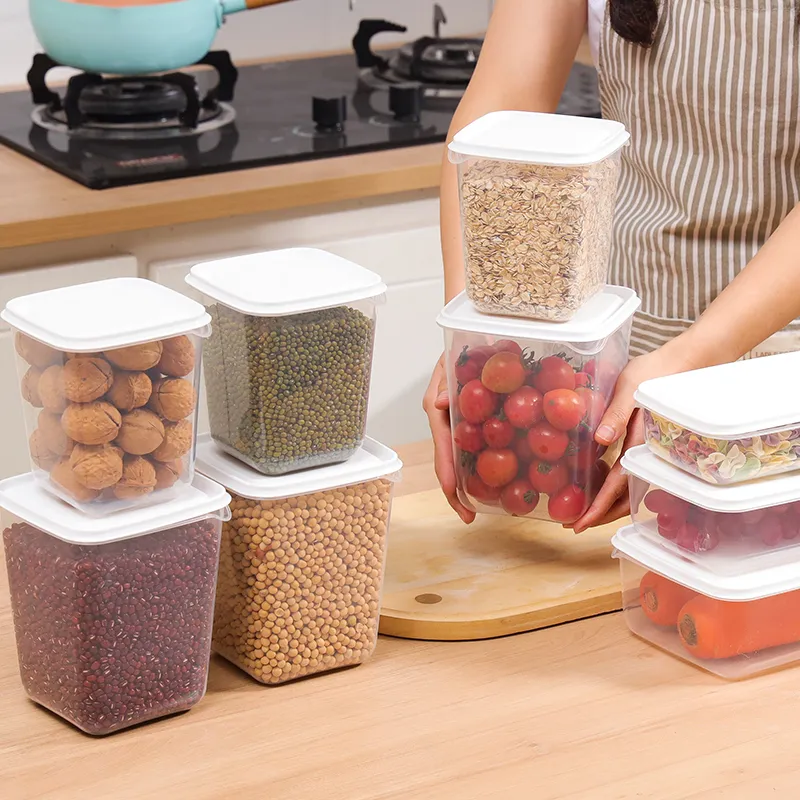
With the same design, these containers can be stacked, maximizing storage efficiency while reducing costs through optimized shipping and shelving. At the same time, this cater to in-store displays and enhanced product bundles,which are major sales strategy for wholesale and e-commerce platforms.
2.Highlight Sealing Features
It is imperative that the package design clearly shows the sealing status whether it is ‘sealed, leak-proof, and moisture-proof.’ Additionally, the incorporation of usage illustrations, cross-sectional diagrams or realistic scenario visuals,which will greatly assist customers to understand the use case of the product quickly,and in this way,the product can be differentiated from the brands and observed a higher rise in the conversion rate.
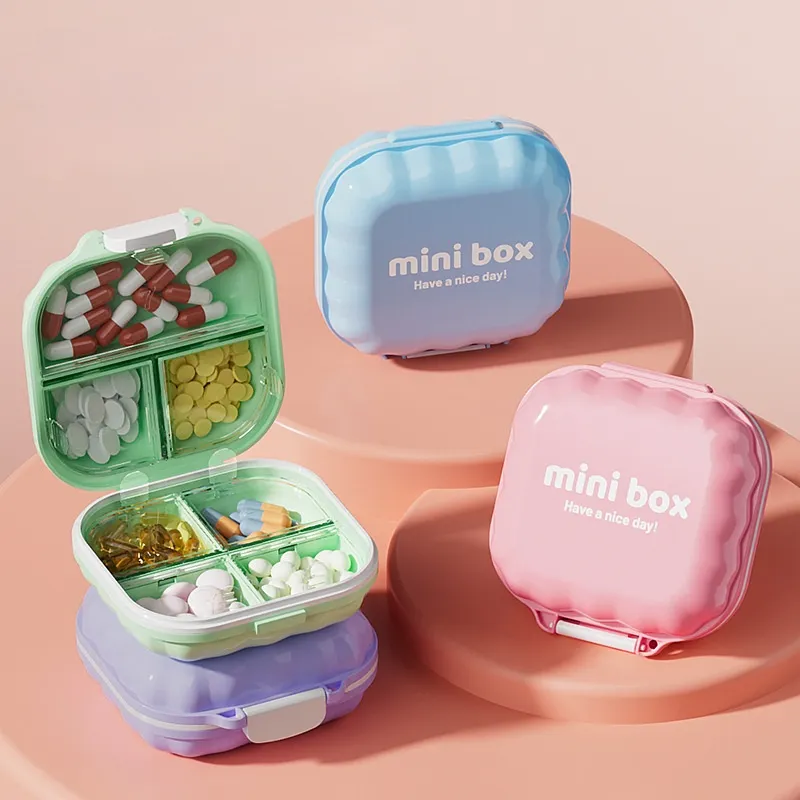
3.Adopt Eco-Friendly Materials to Boost Brand Value
Consist of renewable cardboard boxes, biodegradable in trays, and eco ink for printing. This not only meets international environmental standards for regions like Europe and the U.S., but also enhances the brand’s image and strengthens its reputation. Such packaging is now an important part of the considerations for making a purchase and definitely adds premium to the brand positioning.
4.Create an “Unboxing Experience”
Improve user experience while outer and inner packaging optimised-for instance, by printing brand messages in the inner boxes, adding instruction cards or creating a layered structure design. A nicely done and visually stimulating unboxing not only helps to retain user satisfaction,but also promotes social sharing, driving more exposure to the brand in the process.
5.Smart Labels and Informative Packaging
By incorporating QR codes or digital labels, on the packaging it will redirect customers over to product tips, product videos, cleaning tutorials or the official brand website, a wide range of information becomes easily accessible to customers. This professional guided way allows easy access to additional resources for customers and a plus to secure their trust, and create a stronger brand affinity.
6.Transparent and Visual Design
Adding partial cutouts or transparent materials in the packaging design,which will allow consumers to visualize the details of the product,and structure without opening the package. This intuitive display can prompt the consumers in tensed state for purchasing and particularly in retail and e-commerce, helping increase click-through rates and conversion efficiency.
Real-Life Case Study: How Packaging Optimization Boosts Order Conversion (Xinghui Case Study)
Case background:
A cross-border e-commerce client based in Southeast Asia has long sold food storage containers and lunch boxes on local e-commerce platforms. In the early stages of their business, the client primarily entered the market with a low-price strategy. Products were sourced from standard supply channels, and packaging consisted of simple OPP plastic bags or unbranded cardboard boxes. Although they achieved some sales in the short term, as market competition intensified, several issues gradually came to light:
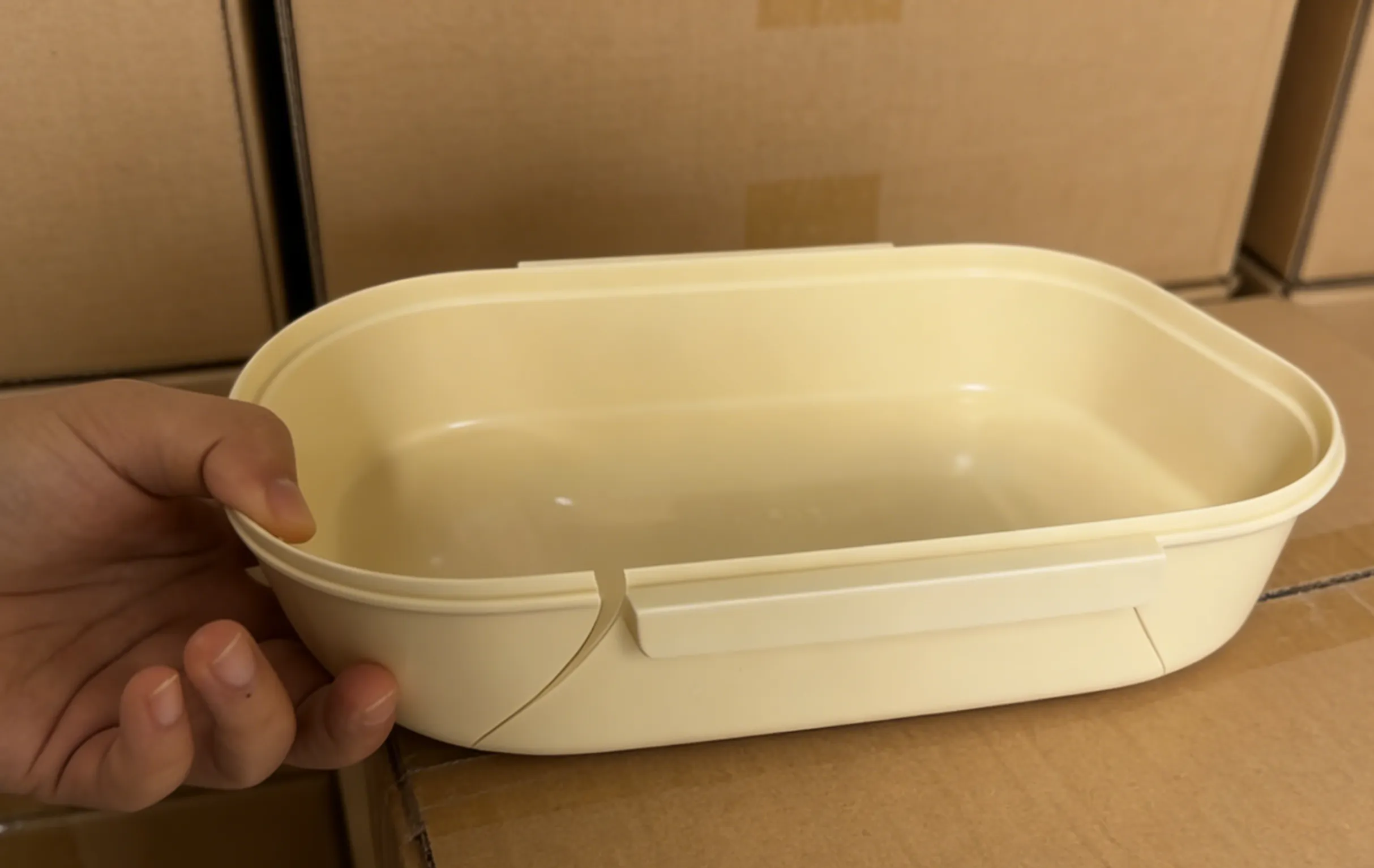
- Severe product homogenization and a lack of brand recognition
- Packaging lacked design appeal, making it difficult to support mid-to-high-end pricing
- Products were prone to scratches or deformation from crushing during shipping
- Frequent feedback in user reviews such as “cheap packaging” and “not suitable for gifting”
After hitting a growth plateau, the client began seeking partnerships with more specialized manufacturers and ultimately chose to collaborate with Xinghui Plasticware, hoping to enhance market competitiveness through a comprehensive upgrade of both the product and packaging.
Solution (Leveraging Xinghui’s Capabilities)
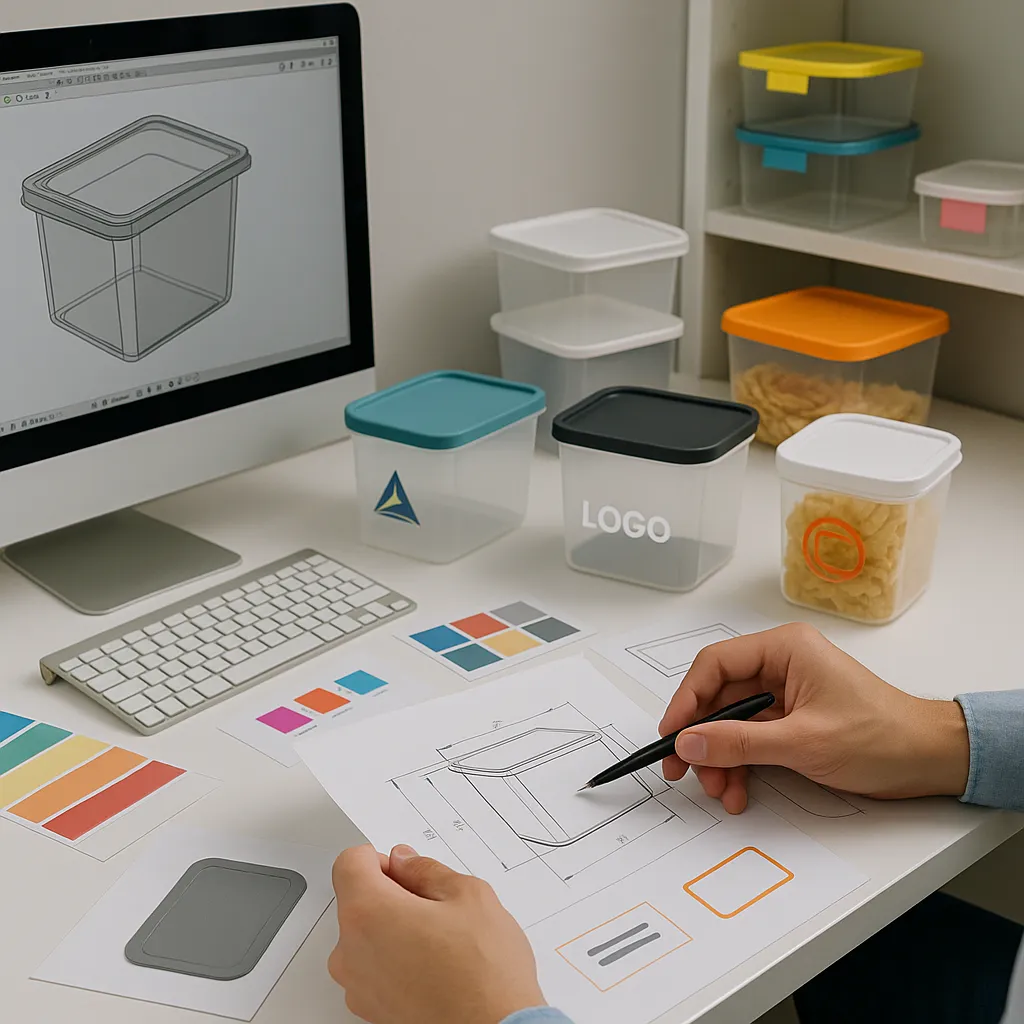
1.Upgrading Outer Packaging Structure and Materials
Xinghui Plasticware customized a color-printed kraft paper box packaging solution for the client and designed a dedicated inner tray tailored to the product’s structure, ensuring greater stability during transport. The overall packaging quality was significantly enhanced, better aligning with the brand’s upgrade requirements while reducing shipping damage.
2.Strengthening Visual Communication of Key Features
Xinghui clearly highlighted core selling points such as “airtight and leak-proof” and “food-grade safe materials” on the front of the packaging. Simple illustrations depicting usage scenarios allowed end consumers to quickly grasp the product’s advantages.
3.Optimizing Set Combinations and Size Design
Based on the client’s sales data, Xinghui reorganized the product lineup to launch two main series: family sets and portable sets. By standardizing size ratios, the products can now be nested for compact storage.
4.Adding Elements of Brand to Engage Users
By integrating the client’s brand visual identity with QR codes linking to product usage videos and brand pages, the packaging enhances professionalism and strengthens the brand’s perceived value.
Optimization Results:
With the new packaging made by Xinghui Plasticware, sales had a really big turnaround,whilst making the product shift from price driven competition to competitive branding conversion strategy.High-quality packaging not only enhances consumers’ purchase intent and enhances the user trust.More importantly, this not only boosted conversion rates but also increased profits by approximately twofold.
Summary of Future Trends (2026 and Beyond)
With global consumption upgrade and growing environmental awareness, packaging for kitchen storage containers is no longer merely a supporting role but is gradually becoming a key factor influencing product competitiveness and brand value. Future packaging development will place greater emphasis on the integration of functionality, sustainability, and user experience.
-🌱 Eco-friendly materials (Biodegradable/recyclable are preferred)
-📦 Lightweight design to cut down shipping costs
-📱 Smart packaging (QR codes/ tracking system)
-🧩 Modular design (Optimize space utility)
-🎨 Minimalist Aesthetics (Image of premium brand)
In general, future packaging will move towards the combination of efficiency, sustainability and the enhancement of leading brand. For manufacturers, by planning proactively in packaging innovation it is not only keeping pace with market trends, but can also be served as a key cut fruit for them to increase the ability of products to create brand value.
FAQ
Q1: What is the kitchen storage containers for core function is packaging right?
A1: In addition to protecting the product, packaging is also a display tool and brand communication vehicle, indirectly affecting customer’s first impression and purchase decision making process.
Q2: What packaging needs to meet in export markets?
A2: In export market, requirement towards environmental protection and regulation compliance, for example in term of recyclable material, less toxic printing and following local rules and aesthetic criteria.
Q3: How can packaging help premium product positioning?
A3: By configuring design, materials and the way in which key selling features are highlighted, packaging can evoke a perception of quality allowing for greater flexibility in pricing and hence competitive dominance.
Q4: Is custom packaging suitable for small and medium-sized clients?
A4: Yes, it is. Through simplified designs or generic packaging solutions, they can achieve basic brand visibility and competitive differentiation.
Conclusion
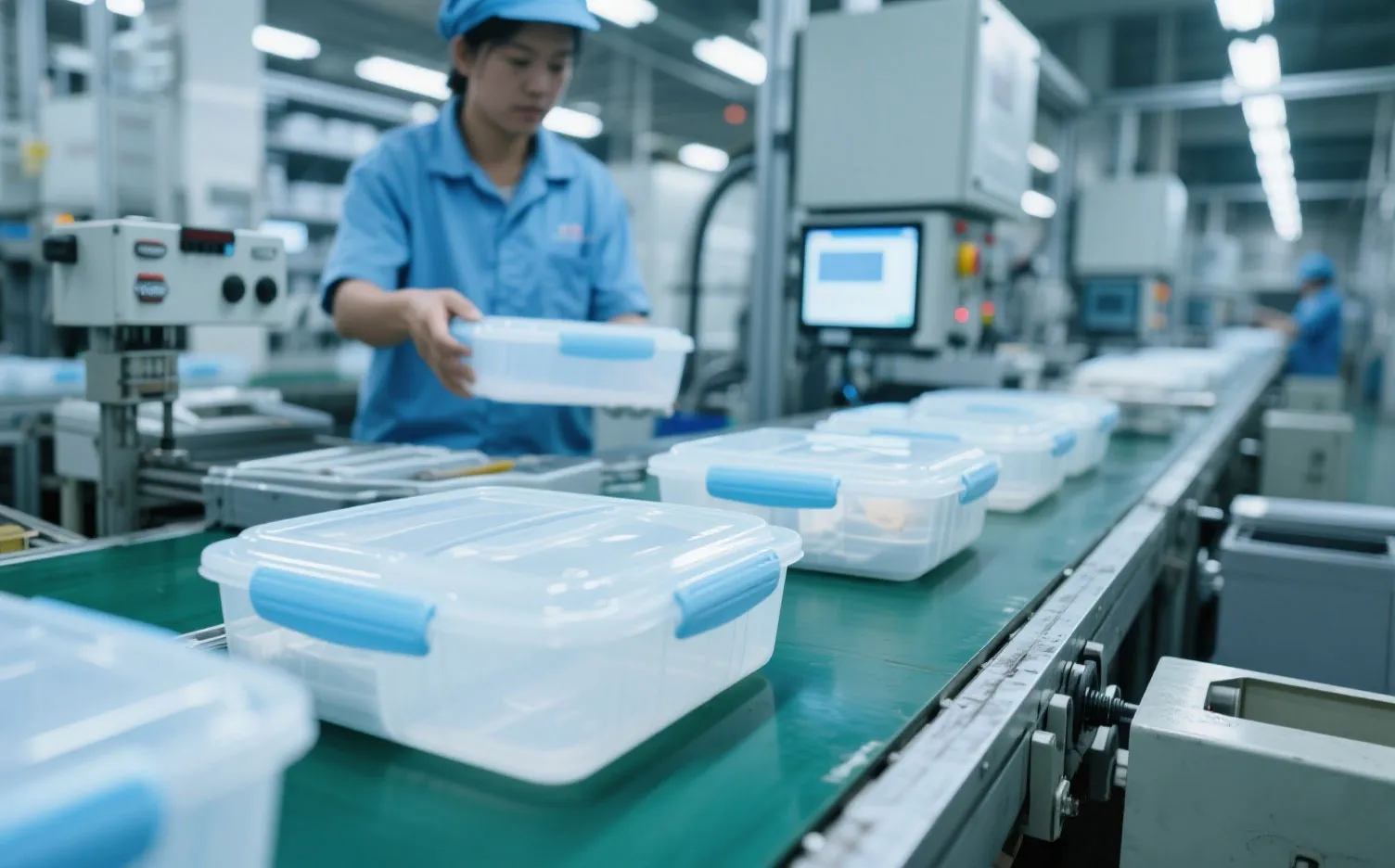
For Chinese manufacturers like Xinghui Plasticware, packaging is not merely a component of the product—it is a vital “key” to unlocking international markets. By optimizing packaging structure, visual design, and user experience, we can not only enhance product competitiveness but also help clients achieve greater commercial value.
👉If you’re looking for custom and wholesale solutions for kitchen storage containers, why not contact us today? It could be the key to helping you stand out in the market.