EN
EN  FR
FR  DE
DE  RU
RU  ES
ES  AR
AR  JA
JA  KO
KO 
Color is more than just decoration; it’s about brand image and product recognition. For plastic food storage containers in particular, the purity, safety, and stability of color directly impact consumer trust in the product. As an experienced plastic food storage containers manufacturer—Xinghui—we employ multiple professional plastic coloring techniques in production to meet diverse customer requirements for appearance and performance.
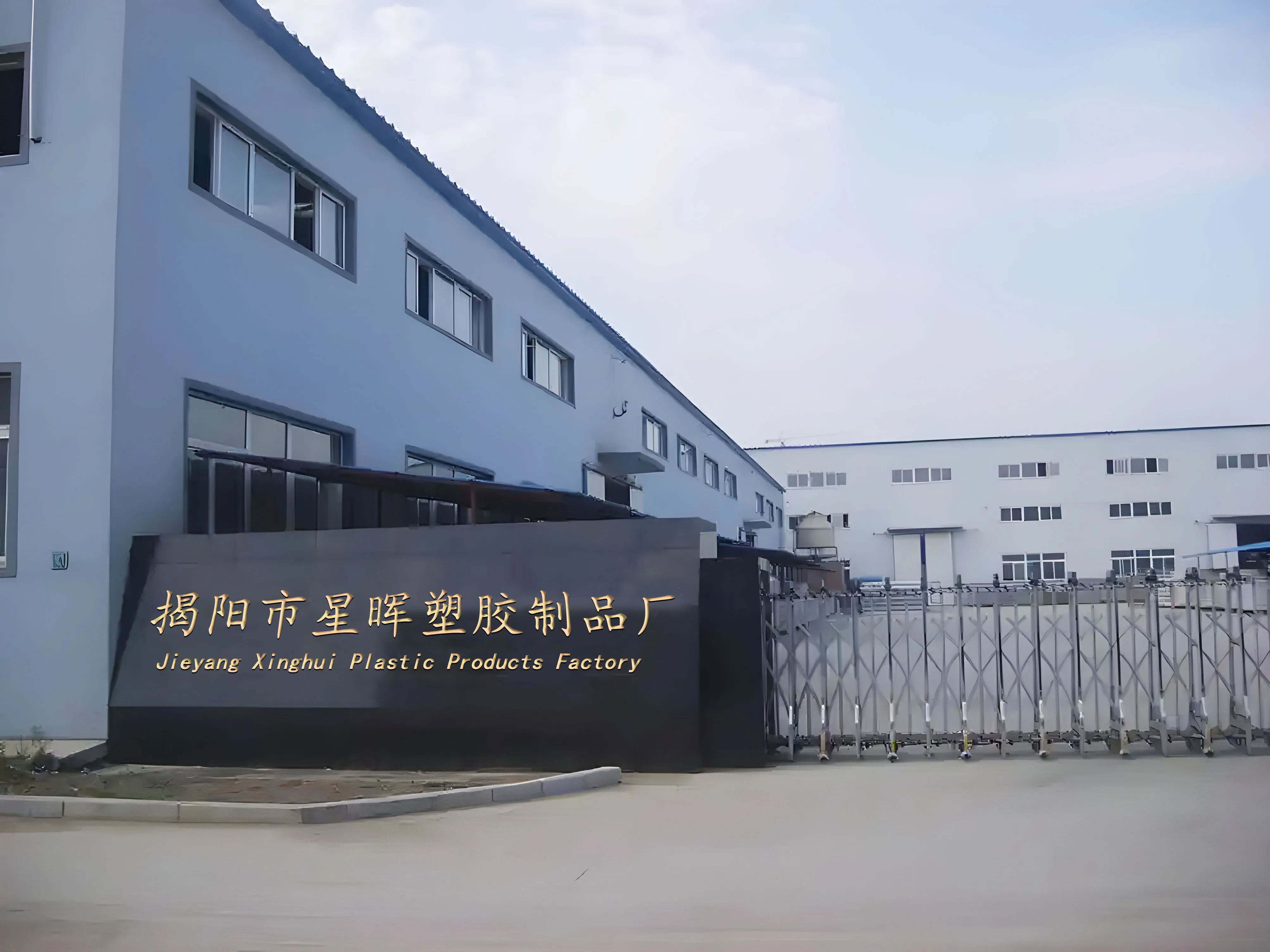
This article explores 10 common plastic coloring methods, analyzing the pros, cons, and suitable applications of each to help you select the optimal solution.
Why Color Plastic Products?
Key objectives for coloring plastic products include:
- Enhancing visual appeal: Vibrant or subtle hues boost product recognition.
- Strengthening brand consistency: Distinguishing product lines through color differentiation.
- Improve functionality: Controlling transparency, UV protection, and anti-aging properties,e.g., .
- Adds market competitiveness: Designed matching custom colors with specific client needs.
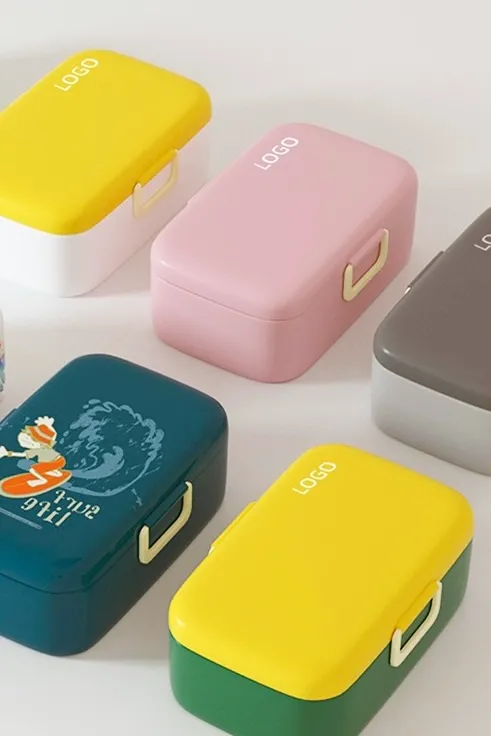
For a well-known plastic food storage containers manufacturer like Xinghui, colourant safety and how eco-friendly it is is among one of the chief environmental concern which is why we make certain that all our coloring methods conform to food contact material regulations.
10 Common Methods for Plastic Coloring
| No. | Coloring Method | Principle | Advantages | Disadvantages | Applicable Scope |
|---|---|---|---|---|---|
| 1 | Dry Blending | Mixing color powder directly with resin | Low cost, simple process | Poor color uniformity, not suitable for high-end products | General plastic products |
| 2 | Masterbatch Coloring | Pigment is concentrated into masterbatch and mixed with resin | Excellent dispersion, stable color | Slightly higher cost | Food containers, household goods |
| 3 | Liquid Coloring | Mixing liquid pigment with resin | Uniform coloring, suitable for automation | Requires special equipment | High-end transparent plastics |
| 4 | Spray Painting | Coating paint on surface and curing | Rich colors, glossy surface | Weak adhesion, easy to scratch | Daily plastics, appliance housings |
| 5 | Dip Dyeing | Immersing plastic into dye solution | Simple operation | Poor color fastness | Small decorative items |
| 6 | Printing (Screen/Pad Printing) | Printing patterns onto plastic surface | Customizable design | Low wear resistance | Labels, decorative plastics |
| 7 | Electroplating | Coating a metal layer on plastic surface | Premium metallic appearance | High cost, strict environmental control | Luxury utensils, decorations |
| 8 | Heat Transfer Printing | Heat-pressing printed film onto plastic surface | Accurate and stable color | Multiple processing steps | Decorative or patterned containers |
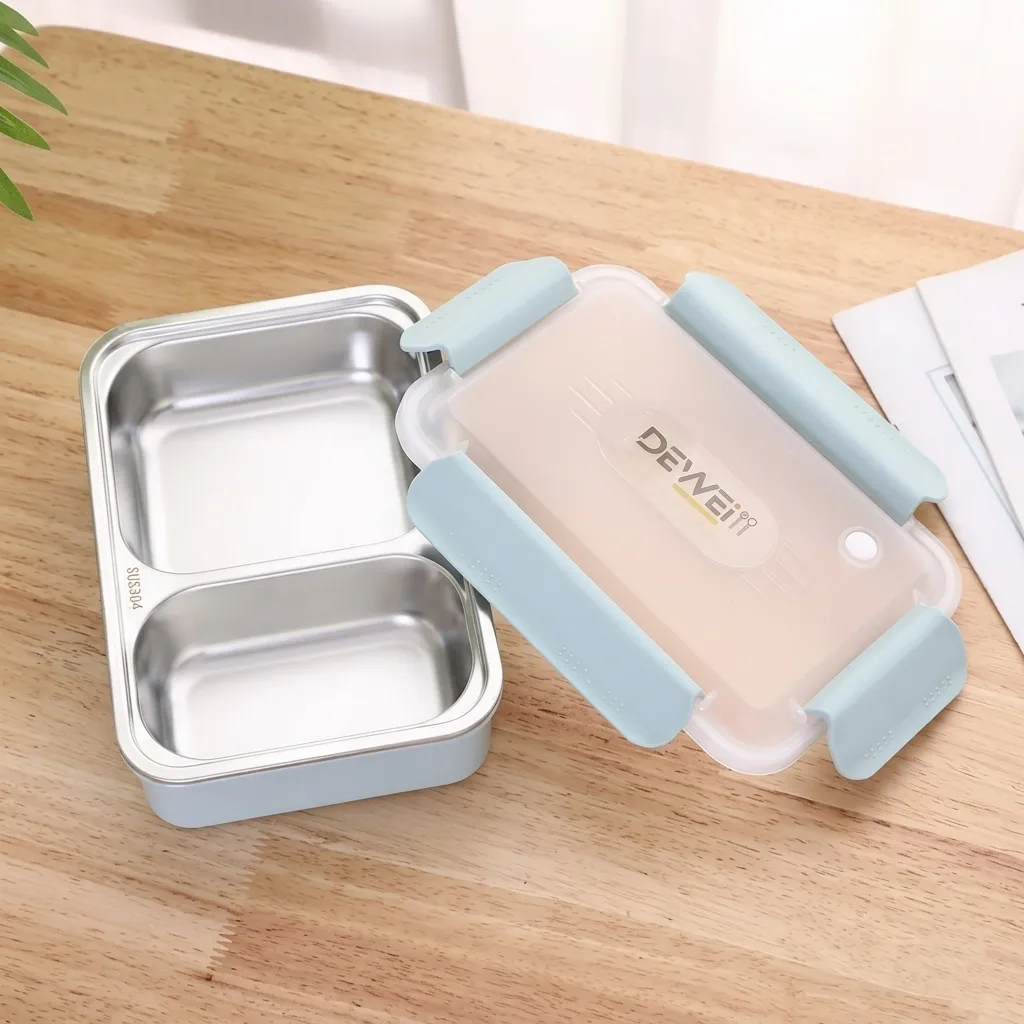
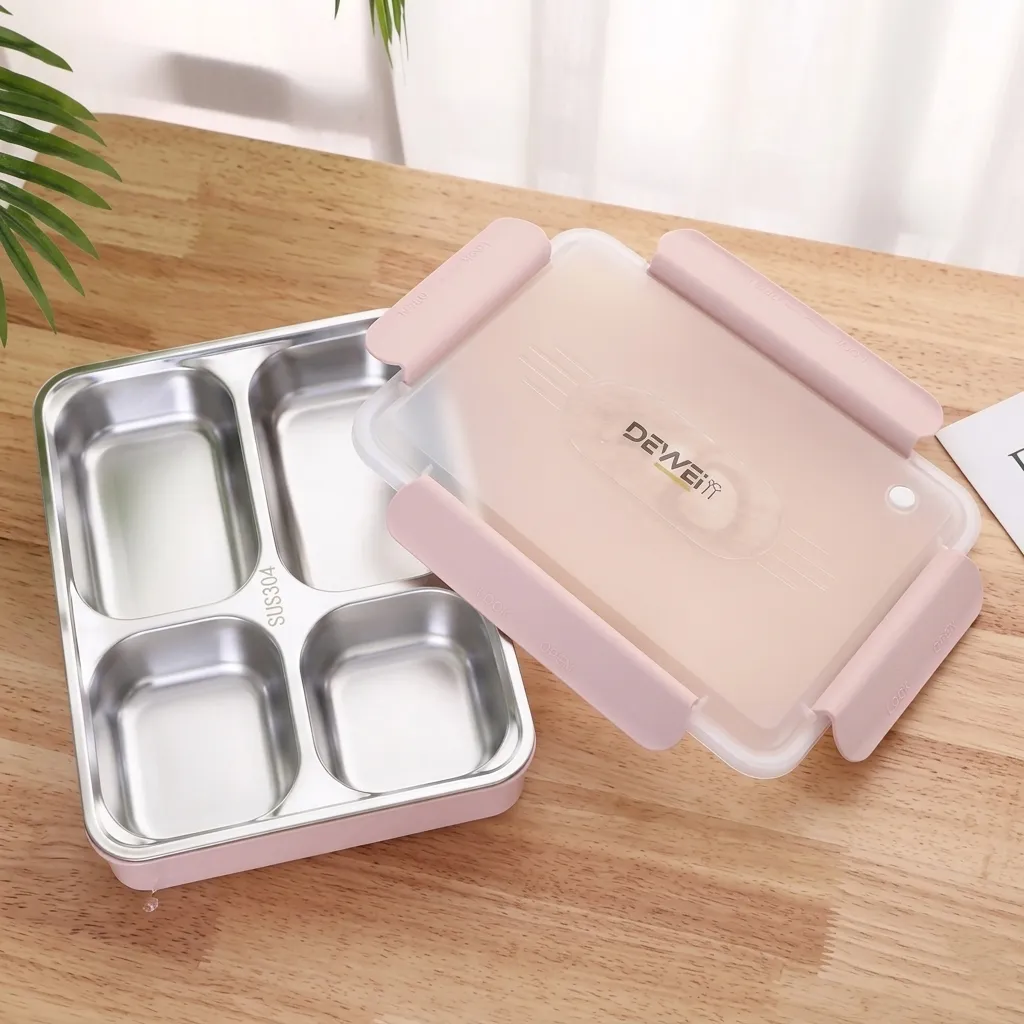
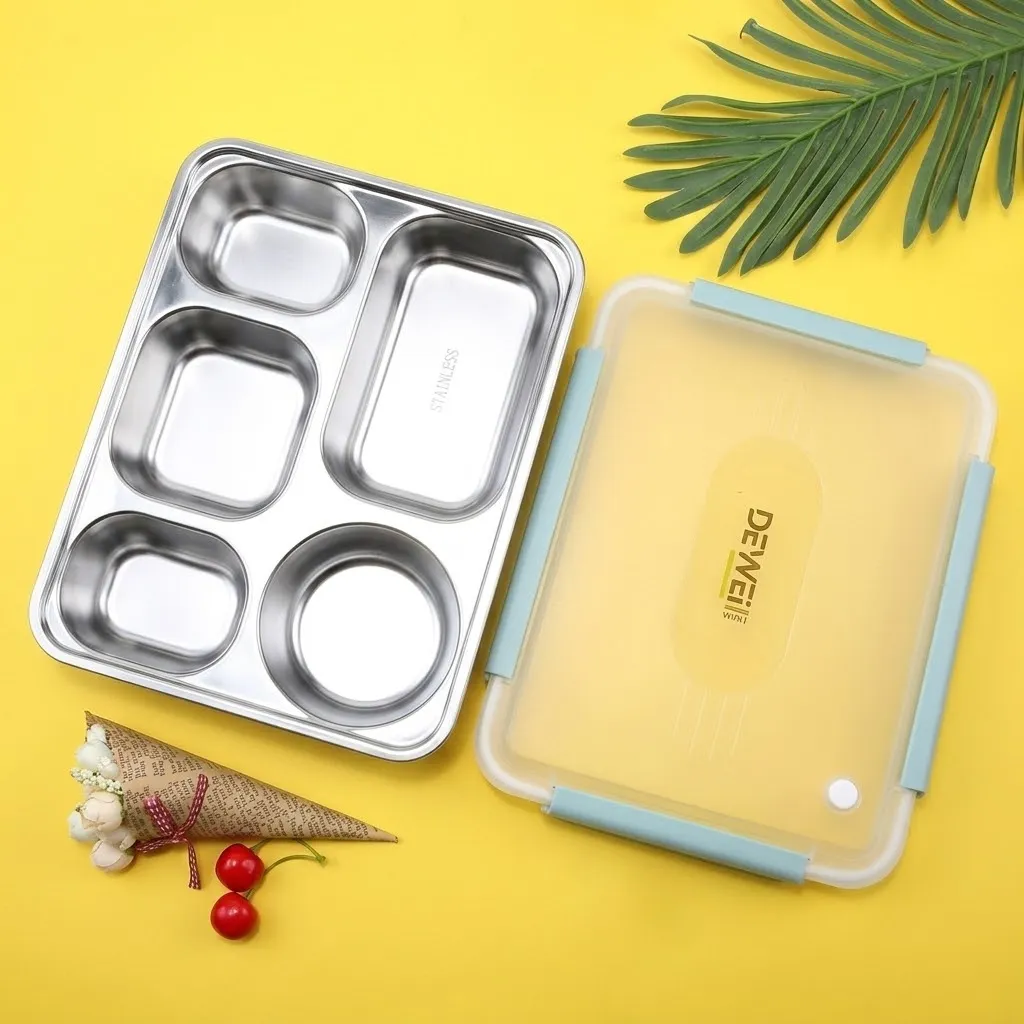
| 9 | In-Mold Coloring | Adding pigment during injection molding | No post-processing, long-lasting color | Complex equipment | Food storage containers, lunch boxes |
| 10 | Co-extrusion Coloring | Extruding multiple colored layers together | High wear resistance, fade-resistant | Relatively high cost | Premium plastic packaging |
Safe Coloring Processes for Food Storage Containers
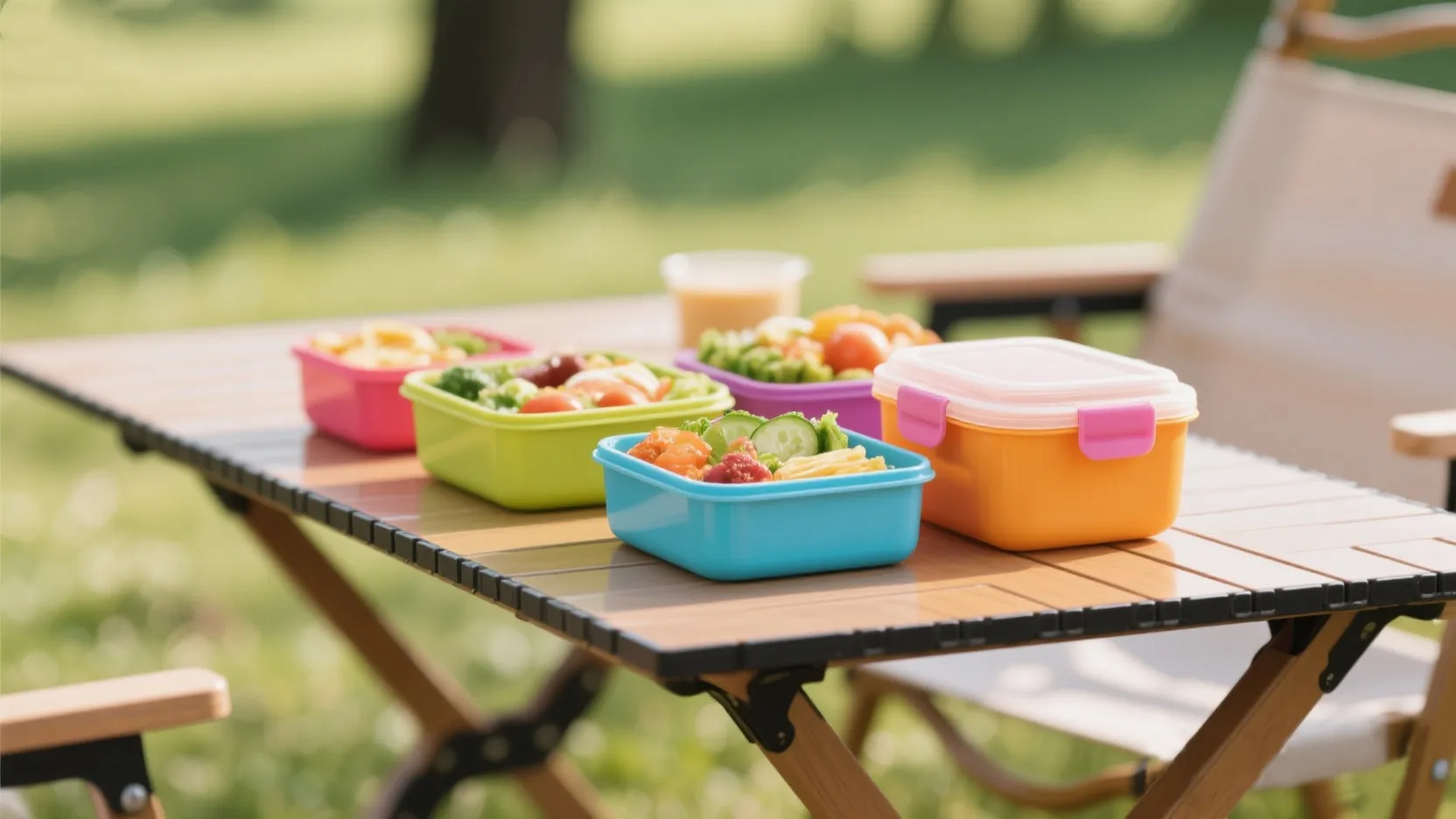
When it comes to food contact plastic products like lunch boxes, food storage containers, drinkwares, the most important features to consider are safety and eco-friendliness.
Being a veteran in the manufacture of plastic food storage containers, here is the principle Xinghui follows for color solutions:
1. Utilize Food-Grade Masterbatch Coloring
Employ FDA or EU-certified food-grade masterbatches that are non-toxic, odorless, and color-stable, suitable for most PP, PE, and PET containers.
2. Avoid Surface Spraying
Traditional spraying may peel or leave chemical residues. Xinghui prioritizes permanent coloring through masterbatch or color-injection molding.
3. Ensure High-Temperature Stability
Products undergo testing for hot filling and dishwasher cleaning, ensuring color retention and no deformation.
Recommendations for Selecting Plastic Coloring Processes
Different plastic products have varying coloring requirements. Below are Xinghui’s summarized selection recommendations:
| Use Scenario | Recommended Coloring Method | Reason |
|---|---|---|
| Food Storage Containers | Masterbatch Coloring / In-Mold Coloring | Safe, eco-friendly, durable color |
| Transparent Plastic Products | Liquid Coloring | Maintains transparency |
| Daily Household Goods | Dry Blending / Spray Painting | Cost-effective and efficient |
| Premium Gift Packaging | Co-extrusion Coloring / Heat Transfer Printing | Outstanding visual effect |
Xinghui’s Expertise and Innovation
As China’s leading plastic food storage container manufacturer, Xinghui maintains a comprehensive coloring and molding process system with stringent quality control from raw material procurement to product shipment. Our technical strengths include:
🌿 Eco-Friendly Material System: All Pigments are RoHS, REACH, and FDA standards;
🎨 Multiple Customization Services: Master batch colors can be developed with a specific Pantone reference.
🧪 Stable Formulation & Testing System: Ensures color difference control within ΔE<1;
🏭 Automated Production Lines: Enable large-scale, uniform coloring production.
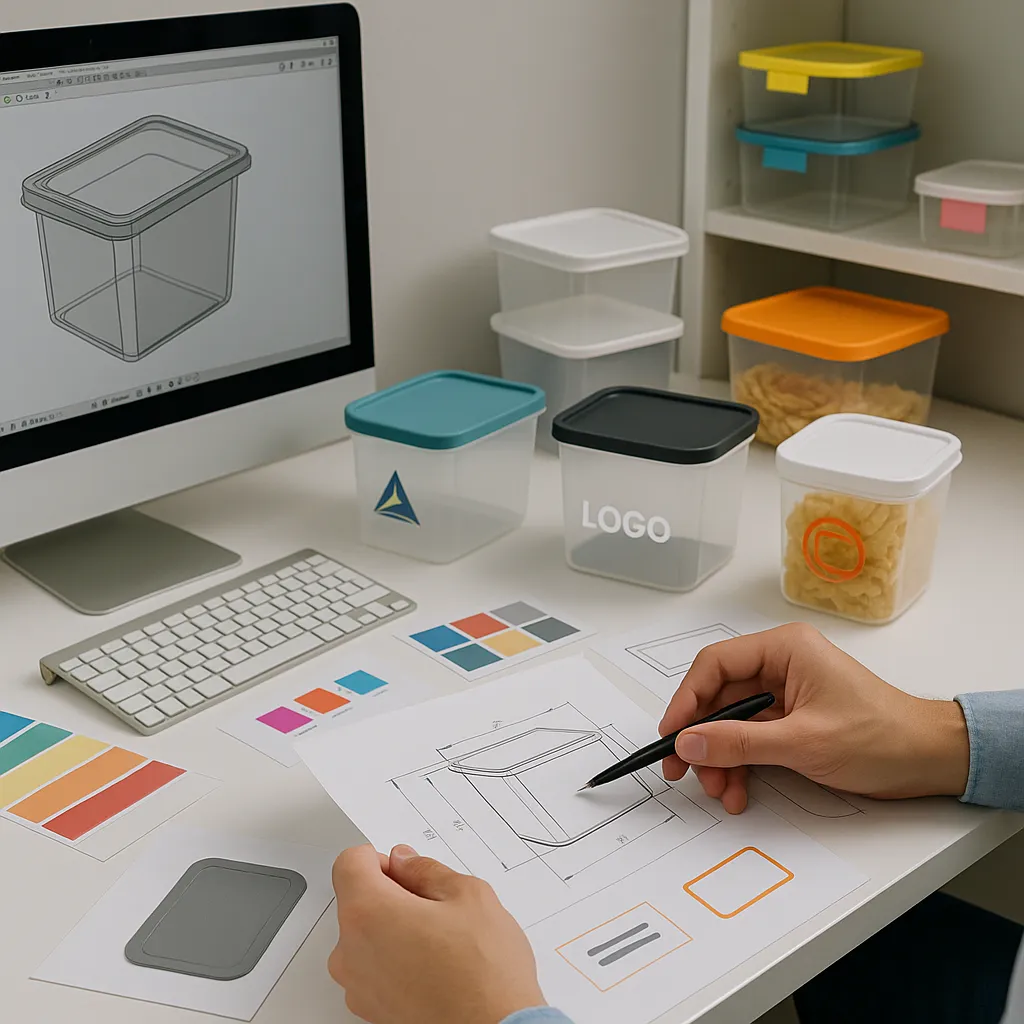
Xinghui consistently upholds the product philosophy of “Safety, Eco-friendliness, Durability, and Aesthetics,” earning the trust of numerous global partners. Whether it’s transparent storage containers, airtight lunch boxes, or kitchen storage jars, we provide internationally compliant solutions.
Conclusion
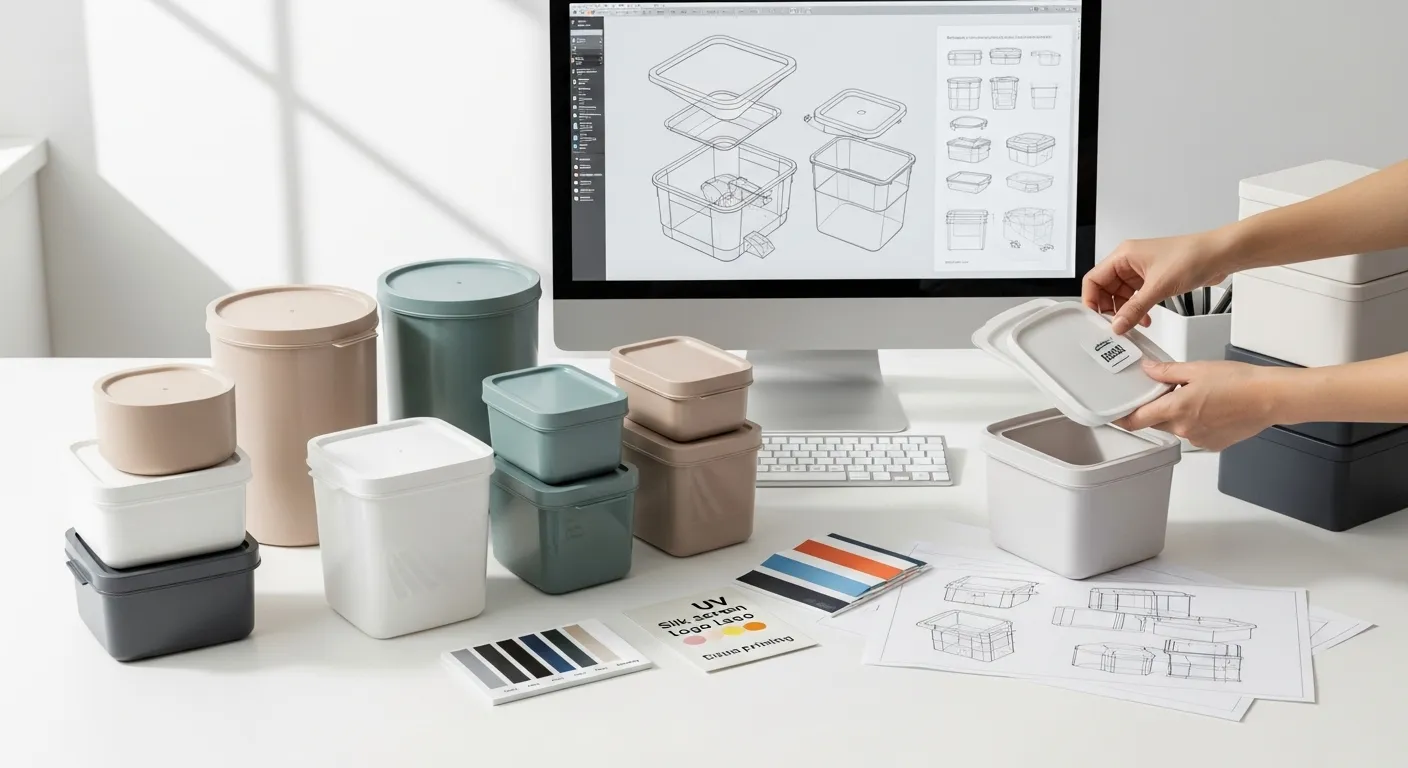
Plastic coloring is a process engineering that balances aesthetics and safety. The selection of right method of coloring not only brings in more attractiveness to the product but also depicts about the brand’s inclination towards quality and user’s health.
Xinghui the an professional plastic food storage containers manufacturer On the will keep producing the better colorants that are Eco-friendly in providing a variety of high quality plastic food storage for our customers worldwide.