EN
EN  FR
FR  DE
DE  RU
RU  ES
ES  AR
AR  JA
JA  KO
KO 
For companies whose business model relies upon reliable access to ice (such as cafés/bars/restaurants/hotels/retailers), the process of making ice takes up a considerable portion of time.
As a top food storage container manufacturer, Xinghui is glad to write this guide to help identify the usual ice formation time frame, the items that alter how quickly ice forms in trays, and how an ice cube tray’s make-up is important for a commercial temperature rating. This guide will help you make the best decision when purchasing for your business or for your products.
Typical Freezing Times — Quick Baseline
Under common conditions (a domestic freezer set around −18°C / 0°F), a standard small ice cube tray typically produces solid cubes in about 3–4 hours. Larger molds, novelty shapes, or specialty trays can take longer — often 6–12 hours or more. In commercial settings with blast freezers or dedicated ice machines, those times drop to 1–2 hours or even faster.
Use the 3–4 hour baseline for planning unless you intentionally pair trays with faster freezing equipment.
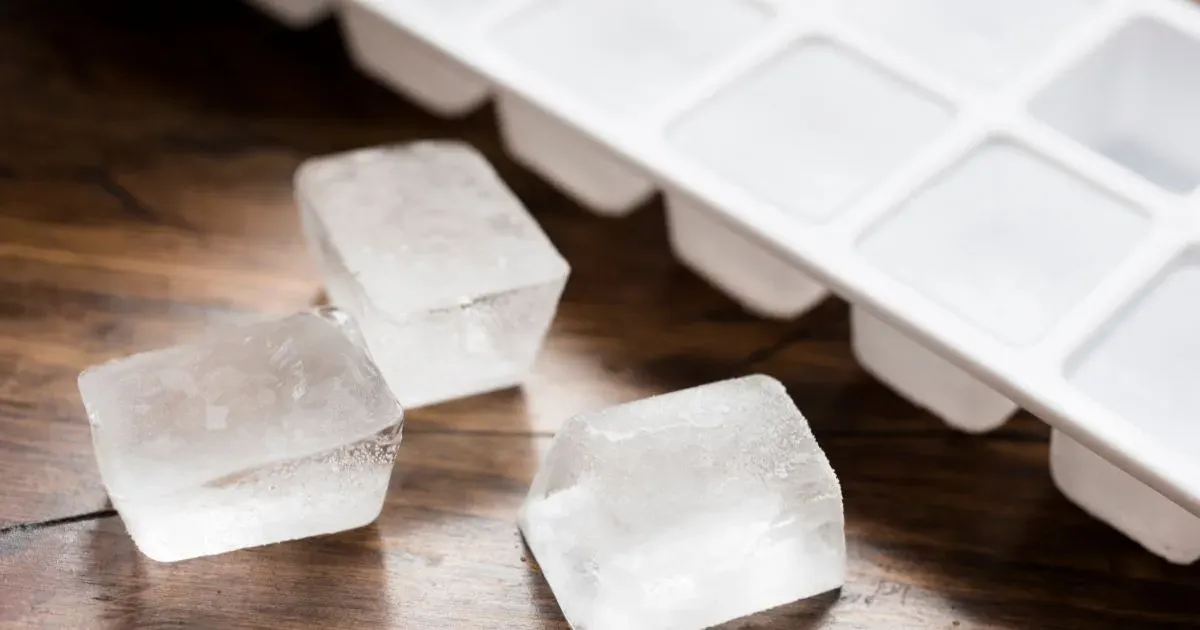
What Actually Controls Freeze Speed?
Several variables combine to determine how fast water becomes ice. For B2B buyers, understanding these lets you match performance to need.
- Tray material — one of the biggest factors (covered in detail below).
- Cube size & shape — smaller cubes freeze faster because of a higher surface-area-to-volume ratio. Thin, shallow molds freeze faster than deep ones.
- Freezer temperature & airflow — colder, well-ventilated freezers speed the process. A crowded or poorly ventilated freezer slows it.
- Water temperature — starting with cooler water shortens freeze time; the Mpemba effect (when hot water can freeze quicker in some cases) is not reliable for production planning.
- Additives — salt, sugar, or other solutes depress the freezing point and significantly slow or prevent solidification.
- Tray placement — trays near cold air outlets or at the back of a commercial freezer freeze faster than those stacked or tucked under other items.
Materials of the Ice Cube Tray Really Matter
Materials differ in thermal conductivity — that is, how quickly they transfer heat away from the water. For buyers, that translates directly to freeze speed, durability, and handling.
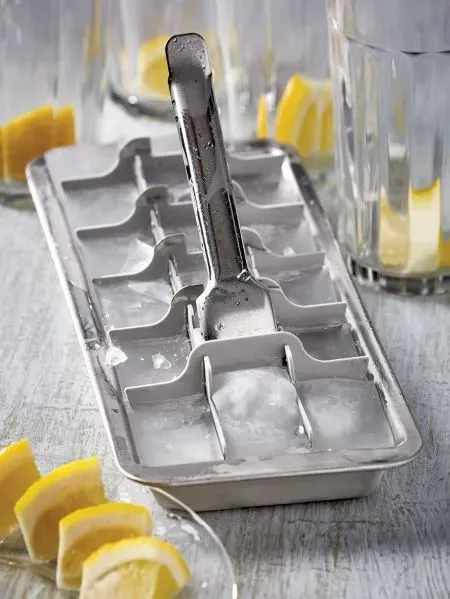
Metal trays (stainless steel/aluminum) — fastest
- Thermal advantage: Metals conduct heat extremely well, so a metal ice cube tray pulls heat out of water much faster than plastic or silicone.
- Performance: Expect 30–50% faster freezing compared with similar-sized plastic trays.
- Trade-offs: Higher cost, heavier, and typically trickier to demold (may require twisting or tapping). Corrosion-resistant grades (stainless or anodized aluminum) are recommended for foodservice.
- Best for: High-turnover environments — cocktail bars, busy cafés, front-of-house hotel bars — where speed matters more than easy pop-out.
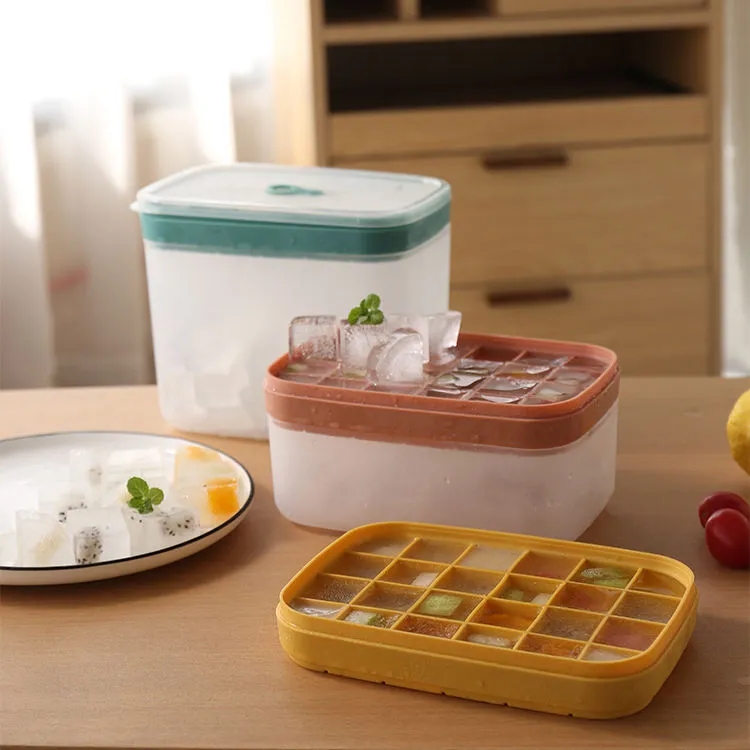
Hard plastic trays (PP, PS) — balanced
- Thermal performance: Moderate thermal conductivity; freeze times are predictable but slower than metal.
- Performance: Widely used because they balance cost, manufacturability, and acceptable freeze speed.
- Trade-offs: Can warp at very low or high temperatures, and cheaper plastics may crack over time. Selections like food-grade PP are common for durability.
- Best for: Retail SKUs, mass-market supply, and operations needing mid-range performance with low unit cost.
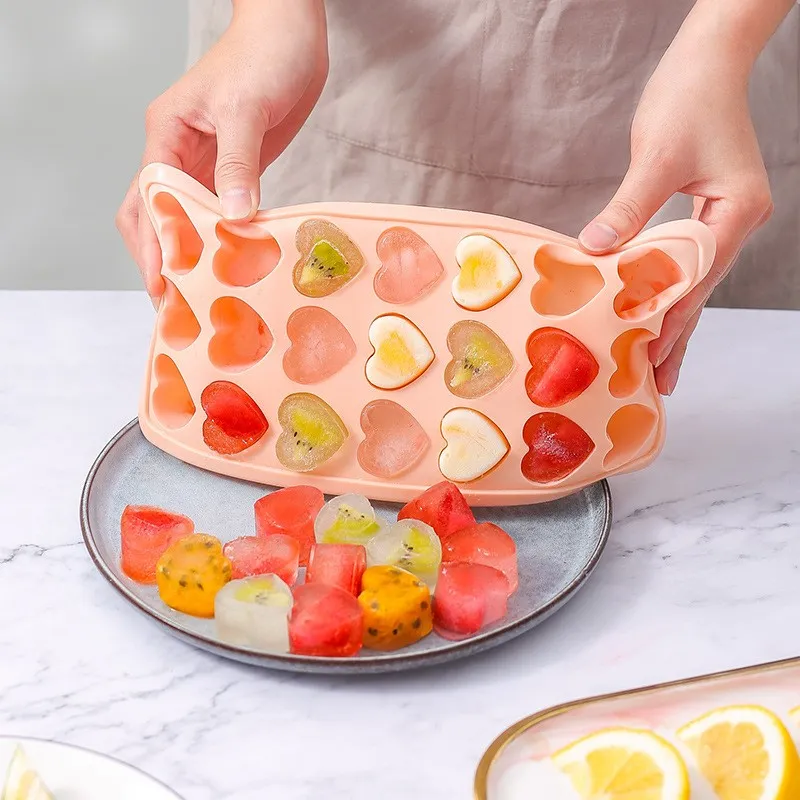
Silicone trays — slowest but easiest release
- Thermal performance: Silicone is a poor conductor, acting somewhat like an insulator, so it slows freezing.
- Performance: Silicone ice cube trays are prized for flexible, easy release, and creative shapes, but they can take 20–40% longer to freeze than plastics.
- Trade-offs: Excellent demolding and attractive for premium or novelty products, but not ideal when quick freeze cycles are required.
- Best for: Premium home goods, gift sets, novelty molds, or applications where gentle release and unusual shapes are selling points.
How to Freeze More Quickly and Consistently
- Using numerous thin ice cube trays will provide greater surface area than a single deep tray.
- Do not stack trays on top of each other; allow each tray to have open space so that cold air can circulate around them.
- Place the trays as close to the designated location for the cold air flow in the freezer or in the area with the strongest cold air flow.
- Pre-cool the water before introducing it to the trays to help reduce the amount of time needed for the water to cool to the designated temperature.
- Use blast freezes or dedicated frozen storage units with the trays to improve their cycle time for higher production volume.
Additional B2B Considerations
- Customization & Branding: Compared with metals, plastics and silicones provide the greatest flexibility and ease of color and logo application; Embossing of metal can be accomplished, however, the tooling costs related to that option are significantly higher.
- Food Safety Compliance: Check each tray type for food contact certification (FDA/EU) and make sure the tray material is safe for food contact.
- Durability & Lifespan: Consider the replacement cycles of all trays and factor into the total cost of ownership (TCO): A less expensive plastic tray that will require frequent replacements will often end up being more expensive than a durable, metal tray over time.
- Packaging & Shipping: When compared to metal, silicone takes up less space in terms of packaging, thus reducing the overall cost of freight. The weight of metal will impact the overall cost of shipping.
- MOQ & Lead Time: Injection molding of plastics can provide an excellent and low-cost per unit at high volume; however, the tooling for metal and the molds for silicone have different costing structures and lead times.
Conclusion
Yes — an ice cube tray’s material matters a lot. Material choice changes freeze time, handling, cost, and customer experience. For B2B buyers, the right selection aligns with your use case: metal for speed and throughput, plastic for scalable, cost-effective supply, and silicone for design-forward or gift-oriented lines. Pair your choice with smart freezer placement and operational practices to get predictable ice production that supports service goals and keeps customers happy.
About Xinghui

Xinghui stands behind its reputation as a top food storage container manufacturer, supplying products that align with global safety regulations and modern consumer needs. Our facility is engineered for stable, compliant production, ensuring every batch meets strict performance requirements.
We offer wholesale kitchen storage supply, an ice cube tray wholesale option is included, to brands and retailers seeking reliable, food-grade molds suitable for home, commercial, and specialty applications. For buyers needing differentiation, our custom ice cube tray solution covers material selection, cavity design, color matching, logo integration, and prototype refinement.