EN
EN  FR
FR  DE
DE  RU
RU  ES
ES  AR
AR  JA
JA  KO
KO 
Building a private-label food container line is no longer just a manufacturing task. It is a strategic business decision. For importers, retailers, and food-focused brands, a well-designed plastic lunch box is not simply a product. It is a visible part of your brand promise, your quality positioning, and your customer experience.
In this guide, Xinghui, an OEM/ODM plastic lunch box manufacturer, explains how OEM and ODM manufacturing really works, what choices matter most, and how to move from idea to production with confidence.
OEM vs. ODM — Pick the Fittest One
OEM and ODM sound similar, but they serve different business goals.
With OEM (Original Equipment Manufacturer), you provide the technical design, drawings, and performance requirements. The factory focuses on producing exactly what you specify. This model is ideal when you already have strong product knowledge or need strict control over safety and functionality.
With ODM (Original Design Manufacturer), the factory already has tested designs and production-ready molds. You select a base model and customize branding, colors, and packaging. This approach is faster, more flexible, and often more cost-efficient for businesses entering a new market.
The right choice depends on how much control, speed, and investment your brand is prepared to handle.
Customization Options that Shape Your Product
A successful plastic lunch box starts with smart design choices that balance performance, appearance, and cost.
Material selection matters most
Different plastics behave differently in daily use:
- PP (polypropylene) offers dependable heat resistance and competitive pricing.
- Tritan delivers premium clarity and impact strength without BPA risks.
- PET and rPET provide visual transparency and sustainability positioning, although they tolerate heat less effectively.
The correct material choice defines how the product performs over time.
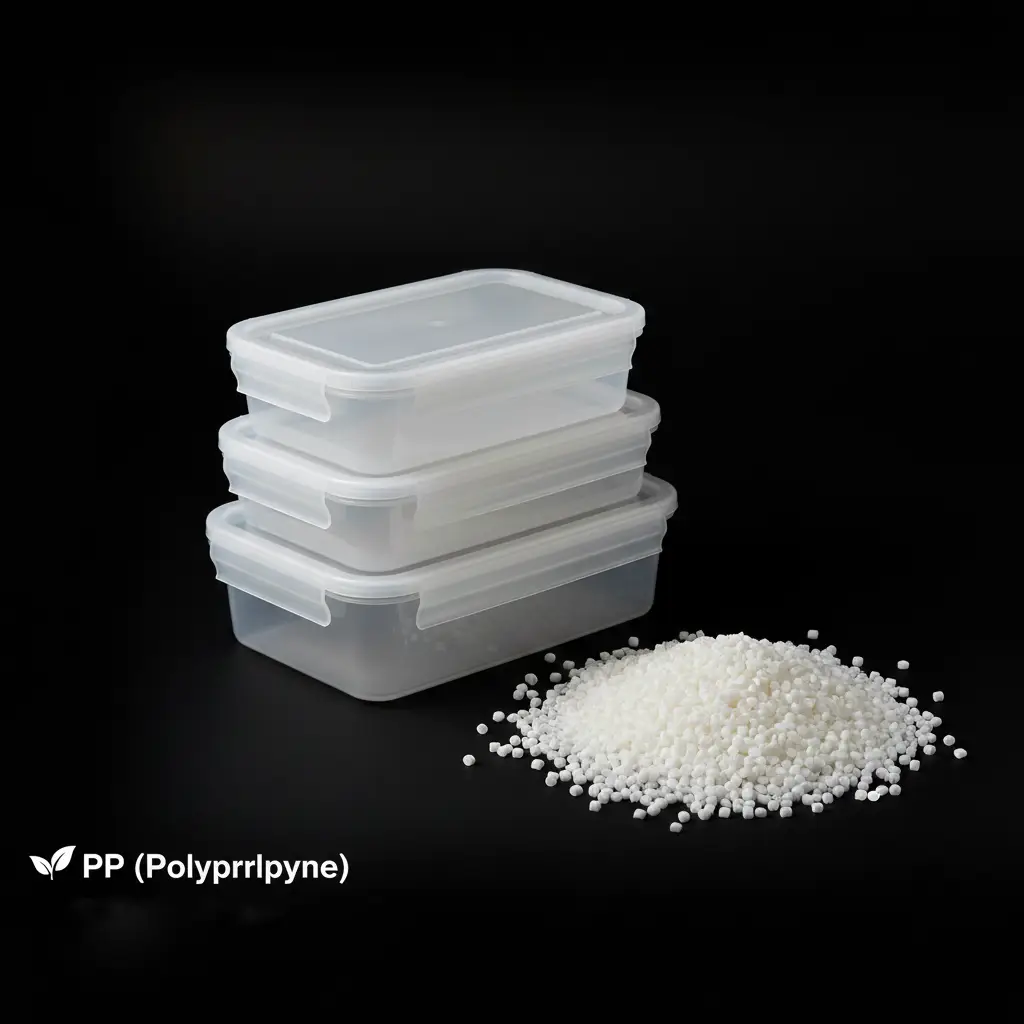
Structural design decisions
Design affects both usability and cost:
- Single or multi-compartment (bento-style) structures
- Leak-resistant lids with silicone gaskets
- Microwave steam-release valves
- Stackable and nestable bases for efficient storage
Even small structural details can significantly influence customer satisfaction.
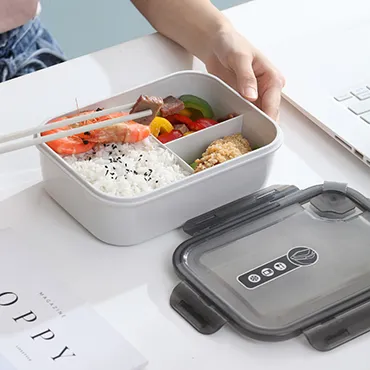
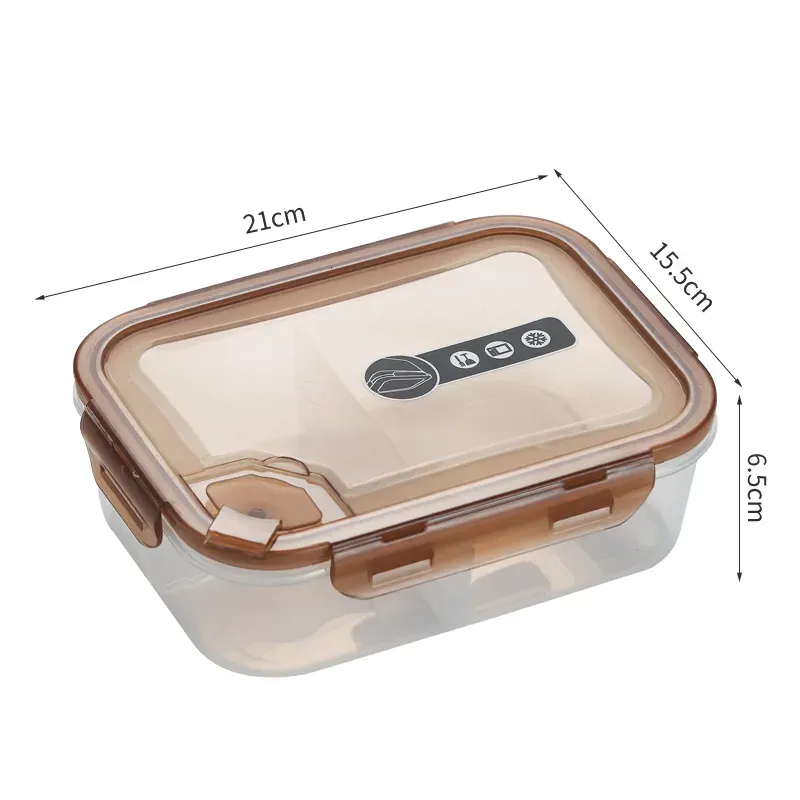
Size & tolerance
Size and tolerance directly influence product fit, durability, and cost:
- Volume selection: Typical range spans 500 ml to 1.5 L+, aligned with portioning needs and intended use cases
- Structural factors: Wall thickness, ribbing, and reinforcement directly affect durability and cost
Even minor adjustments in size or tolerance can shape user satisfaction and production efficiency.
Branding & Decoration Methods
Your selected decoration method influences tooling, MOQ, and per-unit cost:
- Silk-screen printing: Cost-effective for single- or two-color logos.
- Pad printing/heat transfer: Better for complex color or wrap designs.
- In-mold labeling (IML): Durable, retail-grade finish with higher tooling needs.
- Embossing/debossing: Premium tactile branding but higher mold complexity.
Request sample print panels and accelerated wear tests for any finish that will face dishwashers, detergents, or repeated handling.
Mold Development & Ownership
Tooling is a major capital item in custom projects:
- Cost structure: Single-cavity vs. multi-cavity molds, steel grade, and cooling complexity drive price. Expect tooling budgets to vary substantially by material and part complexity.
- Lead time: Typical mold lead times range from 3–10 weeks, depending on complexity and factory workload.
- Ownership: Clarify whether the mold will be buyer-owned (recommended for long-term control) or factory-owned (common in ODM models). Include IP provisions and re-order pricing in the contract.
Negotiate pilot runs and sign-off gates to validate parts before full-scale production.
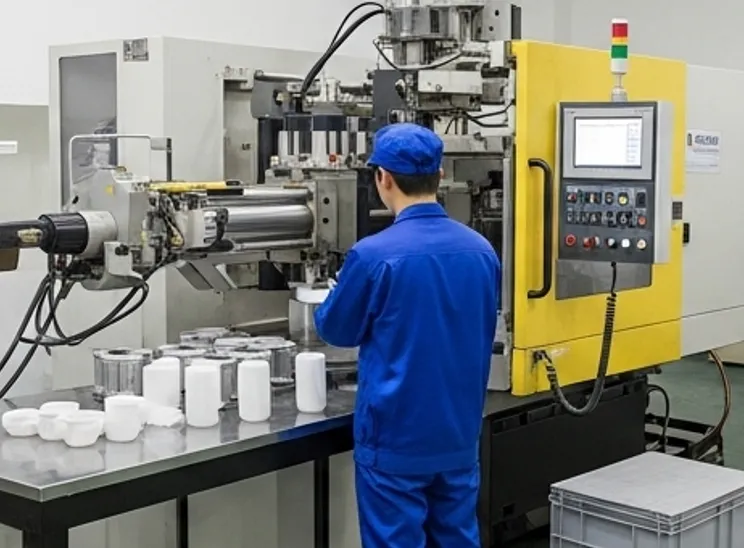
Quality Control & Compliance
A good plastic lunch box is not only about appearance.
Quality control should cover:
- Verification of raw plastic materials and batch traceability
- In-process checks for dimensions, flash, and weld lines
- Seal strength and leak-resistance testing
- Visual and functional inspection at final assembly
Third-party compliance testing should verify that products meet FDA or EU food-contact standards. This is not optional for serious brands.
MOQ, Lead Times & Cost Drivers
Customization affects every commercial variable.
Minimum order quantities rise as tooling and branding complexity increase. Production timelines typically include:
- Sampling and validation stages
- Mold fabrication and test runs
- Pilot production
- Mass manufacturing and packaging
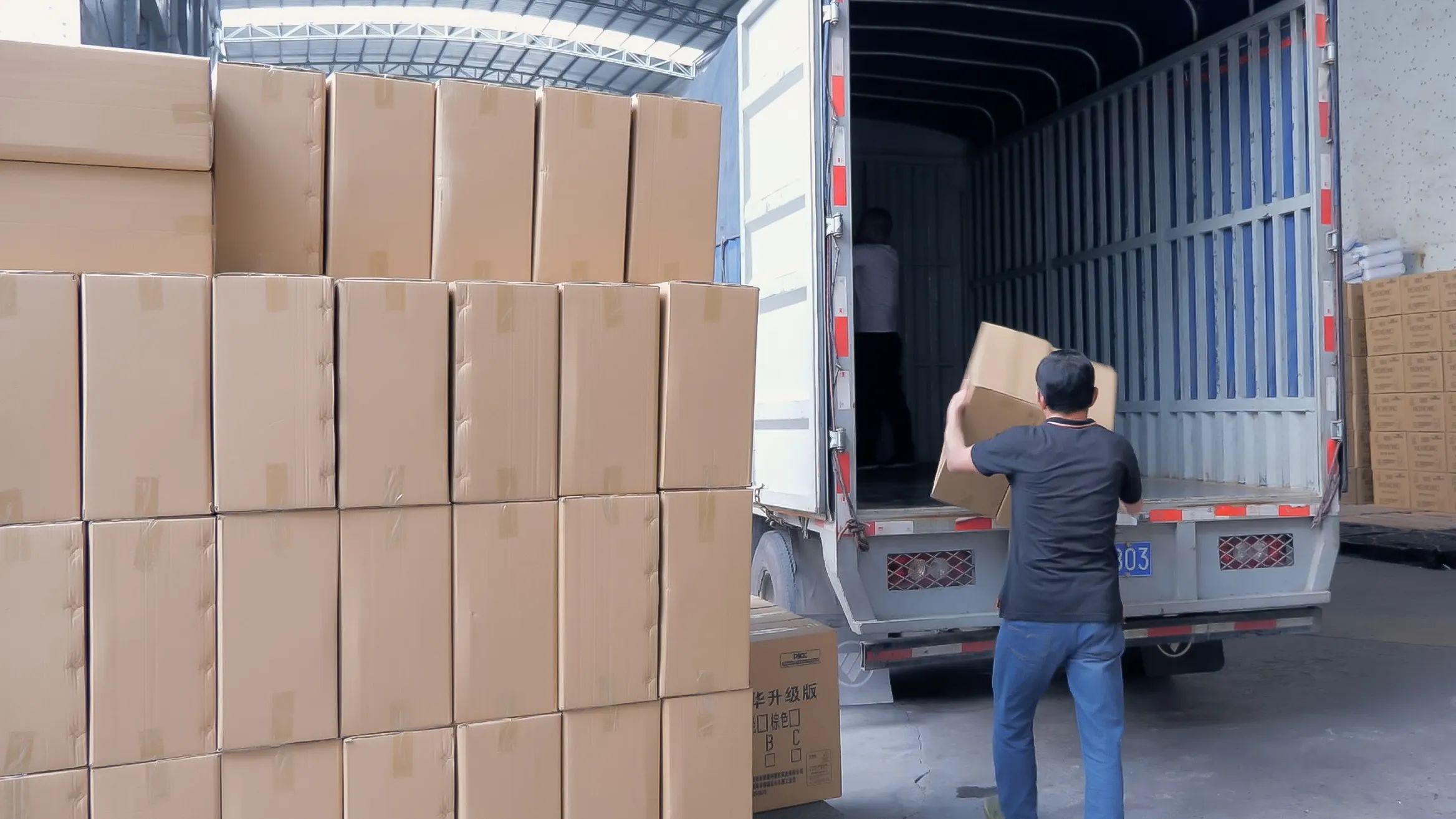
Cost is influenced by resin prices, decoration methods, packaging complexity, quality assurance, and logistics.
Smart buyers budget for revisions and small delays.
Verify the Right Plastic Lunch Box Manufacturer
Choosing a factory is about more than equipment.
Strong manufacturers offer:
- Clear compliance documentation
- Stable production capacity
- Transparent communication
- Predictable quality systems
- Flexible, problem-solving project management
A factory that cannot clearly explain its process is rarely a safe long-term partner.
Final Checklist Before Mass Production
Before approving large-scale manufacturing:
- Confirm resin specifications
- Approve physical, branded samples
- Verify compliance reports
- Lock in mold ownership
- Align on inspection standards
Conclusion
A successful OEM or ODM plastic lunch box project is the result of smart planning, honest communication, and disciplined quality management. When the process is handled correctly, both sides gain more than a product. You gain reliability, reputation, and repeat customers. Strong manufacturing partnerships create predictable quality and long-term commercial advantage.
About Xinghui
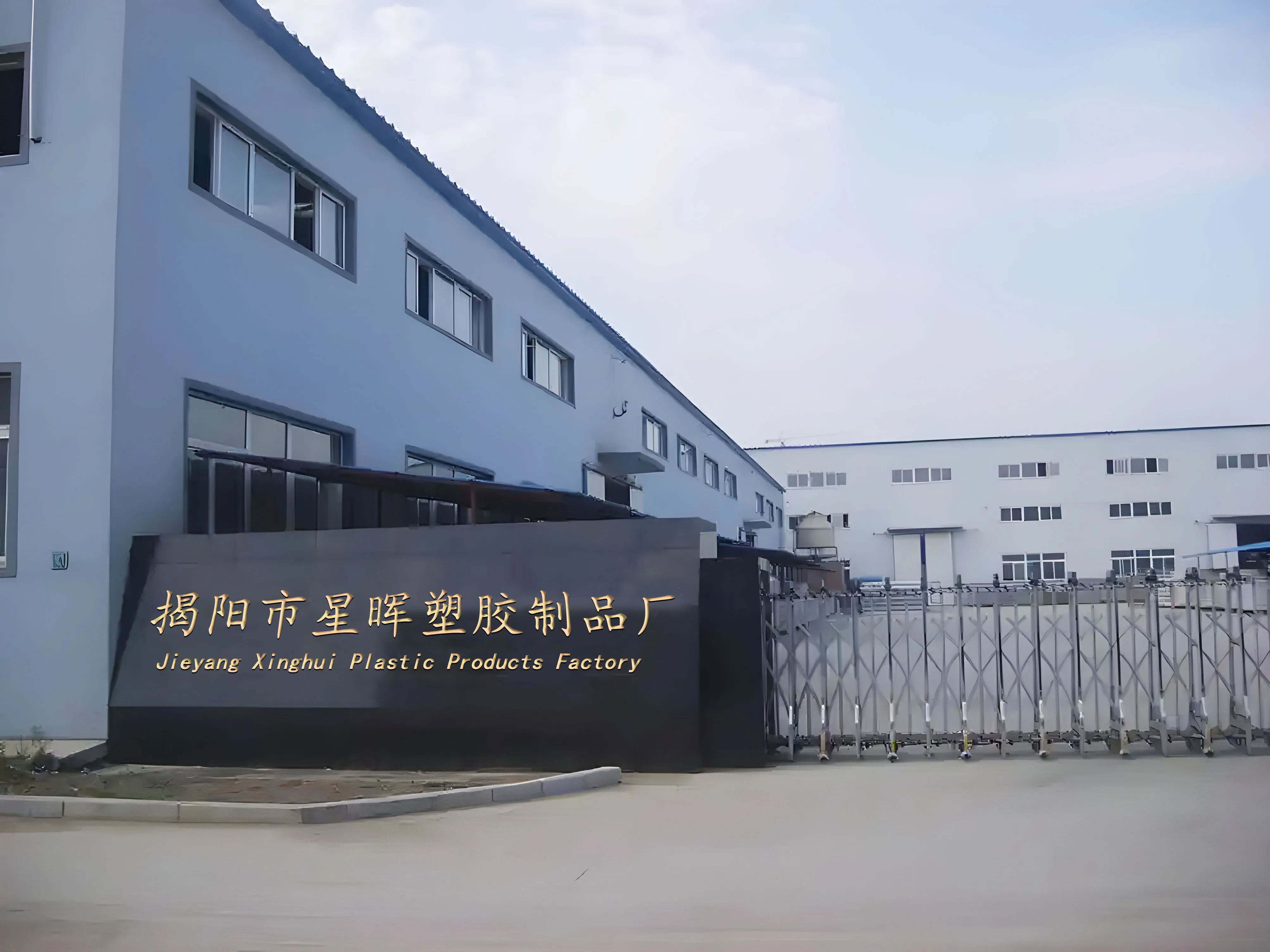
With our self-possessed factory, 15,000 square meters, the capability of mass plastic lunch boxes of Xinghui is undeniable, which is 2 million plastic lunch boxes per month. Now, as a top plastic lunch box manufacturer, we are capable of offering wholesale plastic lunch box supply, and any related OEM/ODM custom solution for plastic lunch boxes.
Partnered with Xinghui to get:
✅High-quality and stable factory-direct supply
✅Well-controlled products in quality
✅Certified products
✅Expert team supports
✅Special e-commerce supply
FAQ
Q1: How to avoid hidden tooling changes?
A: Use a detailed mold sign-off checklist before machining.
Q2: How to prevent material substitution?
A: Require resin traceability and COA, with contract penalties for unauthorized changes.
Q3: How to avoid production delays?
A: Use milestone-based payments tied to sample approval deadlines.
Q4: How to reduce compliance risks?
A: Include indemnity and remediation clauses in contracts and require third-party test reports.