EN
EN  FR
FR  DE
DE  RU
RU  ES
ES  AR
AR  JA
JA  KO
KO 
If you only want one clear answer, here it is:
When it comes to custom lunch box manufacturing, what truly determines success is not how good the design looks, but whether you can find a factory like Xinghui Plasticware that has integrated capabilities in design, mold development, production, and quality control.
In this industry, design is just the starting line. What really sets people apart is:
👉 Whether production can be scaled consistently
👉 Whether quality can remain stable across batches
👉 Whether long-term supply can be guaranteed without failures
Let’s break the whole process down step by step.
Why Custom Lunch Boxes Matter More Than Ever?
In the past, lunch boxes were just something to hold your food. Now, they’ve become so much more:
- A brand differentiation tool (especially in e-commerce)
- A key part of user experience (sealing, compartments, portability)
- A reflection of food safety and sustainability standards
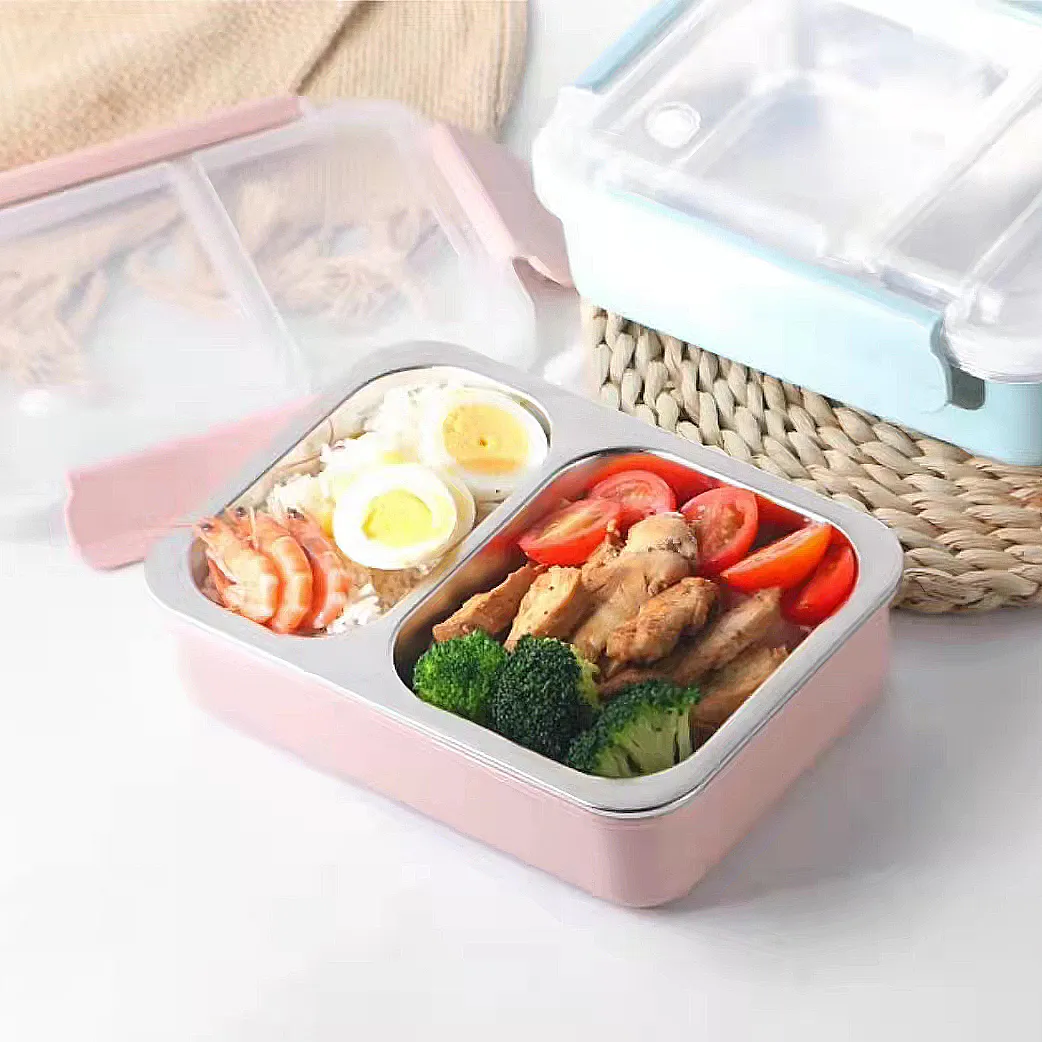
Companies like Xinghui Plasticware are no longer just manufacturers—they provide complete product solutions. Their product range includes lunch boxes, food storage containers, kitchen storage items, and more, with full customization support.
Market requirements have gotten much more specific. Food-grade materials like PP and PET, BPA-free compliance, microwave and freezer safety, and reliable leak-proof performance—these are no longer premium selling points. They’re simply the baseline for any competitive product out there.
From 0 to 1: The Full Custom Lunch Box Manufacturing Process
Requirement Definition
First thing first — figure out your target users and how they’ll actually use the lunch box. Targeting students, fitness users, or e-commerce customers makes a real difference in product positioning and the features you’ll need to focus on.
Product Design
Good design goes beyond just appearance. Functionality and structure matter too — things like leak-proof performance, microwave safety, and compartmental layout all count. The design should also match the aesthetic expectations of different markets, so the product is both practical and commercially appealing.
3D Modeling and Prototyping
Once the design is set, we make 3D models and actual prototypes. This is to test the sealing, usability, hand feel, and how it performs in real life. Catching issues before mass production saves a lot of money and headaches later.
Mold Development
Mold development is usually the most expensive stage of the process. Once finalized, modifications become costly and difficult. However, a stable mold significantly reduces long-term unit costs and ensures production consistency. Working with a factory that has in-house mold development capabilities can greatly simplify this process.
Injection Molding Production
After mold approval, the project enters mass production. At this stage, key focus areas include dimensional stability, edge finishing, and product consistency. This is where a factory’s equipment level and manufacturing expertise truly show.
Quality Control and Shipment
Quality control goes way beyond the final inspection. It covers everything from raw material checks and in-process monitoring to final product testing. For export markets, certifications like FDA or SGS are usually a must — that’s what ensures long-term stability and product reliability.
A Real Case: European E-Commerce Brand Project
A European e-commerce brand partnered with Xinghui Plasticware on a project. They wanted to develop a line of lunch boxes and food storage containers for online sales, with three simple goals — a consistent design language, strong brand recognition, and products that are practical and nice to look at.
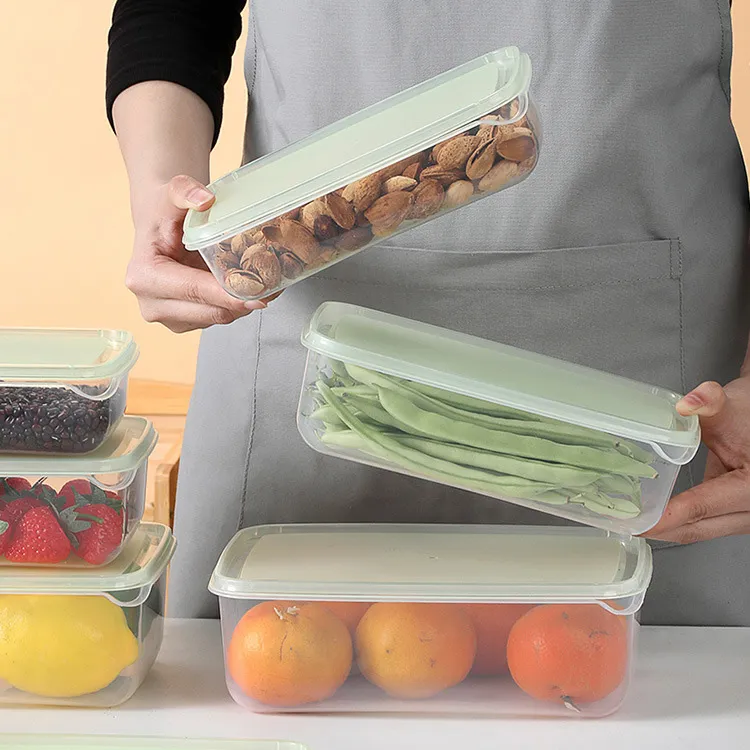
The client had three key requirements:
- Multi-size combinations for different usage scenarios
- A stackable design to improve kitchen storage efficiency
- A minimalist aesthetic that fits European market preferences
To be honest, the first prototype did come out with a few issues. Stacking stability wasn’t great — the products tended to slide off — and the original colors felt too bright and not premium enough.
The factory didn’t rush into production. Instead, they went back and improved both the structure and the design. The stacking system was rebuilt for better stability, and the colors were switched to softer, lower-saturation tones that European customers prefer.
After several rounds of prototyping and validation, the product finally moved into production. Once launched, both conversion rates and repeat purchase rates saw significant improvement.
This case clearly shows one thing: a strong factory does more than manufacture—it helps you build the right product.
Why One-Stop Manufacturing Is Recommended?
In custom lunch box projects, choosing a one-stop manufacturing partner has a direct impact on efficiency and risk control. Companies like Xinghui Plasticware integrate design, mold development, production, and quality control within a single system.
Compared to multi-supplier workflows, fragmented supply chains often lead to:
- Higher communication costs and information gaps
- Unclear responsibility when issues arise
- Inconsistent quality across different stages
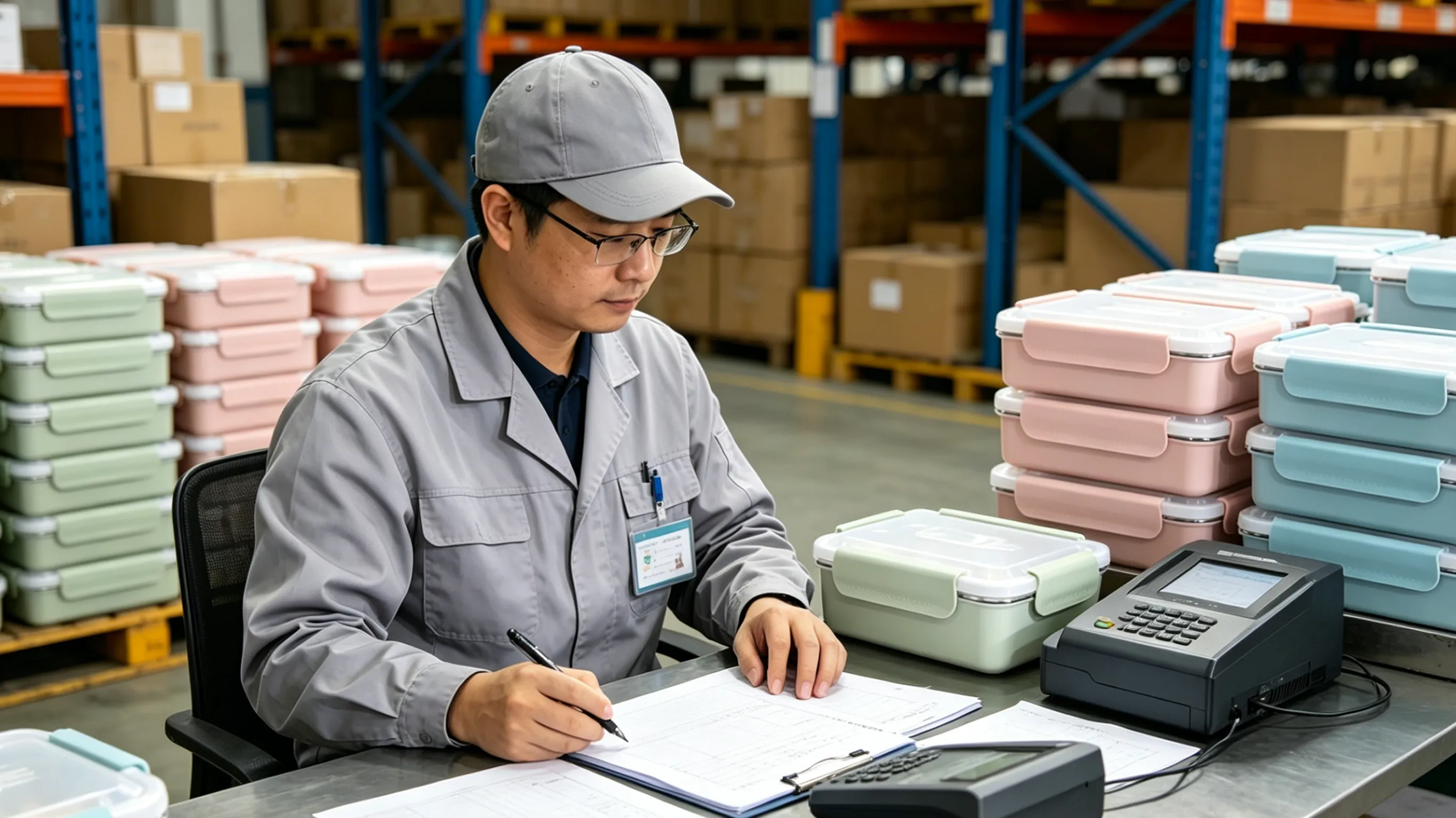
In contrast, a one-stop factory offers:
- Smoother workflow with better internal coordination
- Lower risk through unified process management
- More stable output for long-term production and repeat orders
Choosing a supplier is really about choosing a complete production system.
Common Mistakes to Avoid
Common mistakes observed from real projects at Xinghui Plasticware include:
- Focusing too much on price while overlooking product stability
- Skipping or oversimplifying the design process
- Moving into mass production without proper prototyping
At its core, the issue lies in treating customization as simple procurement rather than a product development process.
FAQ
Q1: MOQ for custom lunch boxes?
A1:1,000 to 5,000 units — depends on the project, negotiable.
Q2: How long for full customization?
A2:30 to 60 working days, depending on design and whether a new mold is needed.
Q3: Can I only customize the logo?
A3: Yes. Light customization options such as logo printing, color changes, and packaging adjustments are commonly available without changing the product structure.
Conclusion
Lunch box OEM is about more than just competing on price — it’s about finding the right partner who can execute your product ideas and manage risks throughout the entire process.
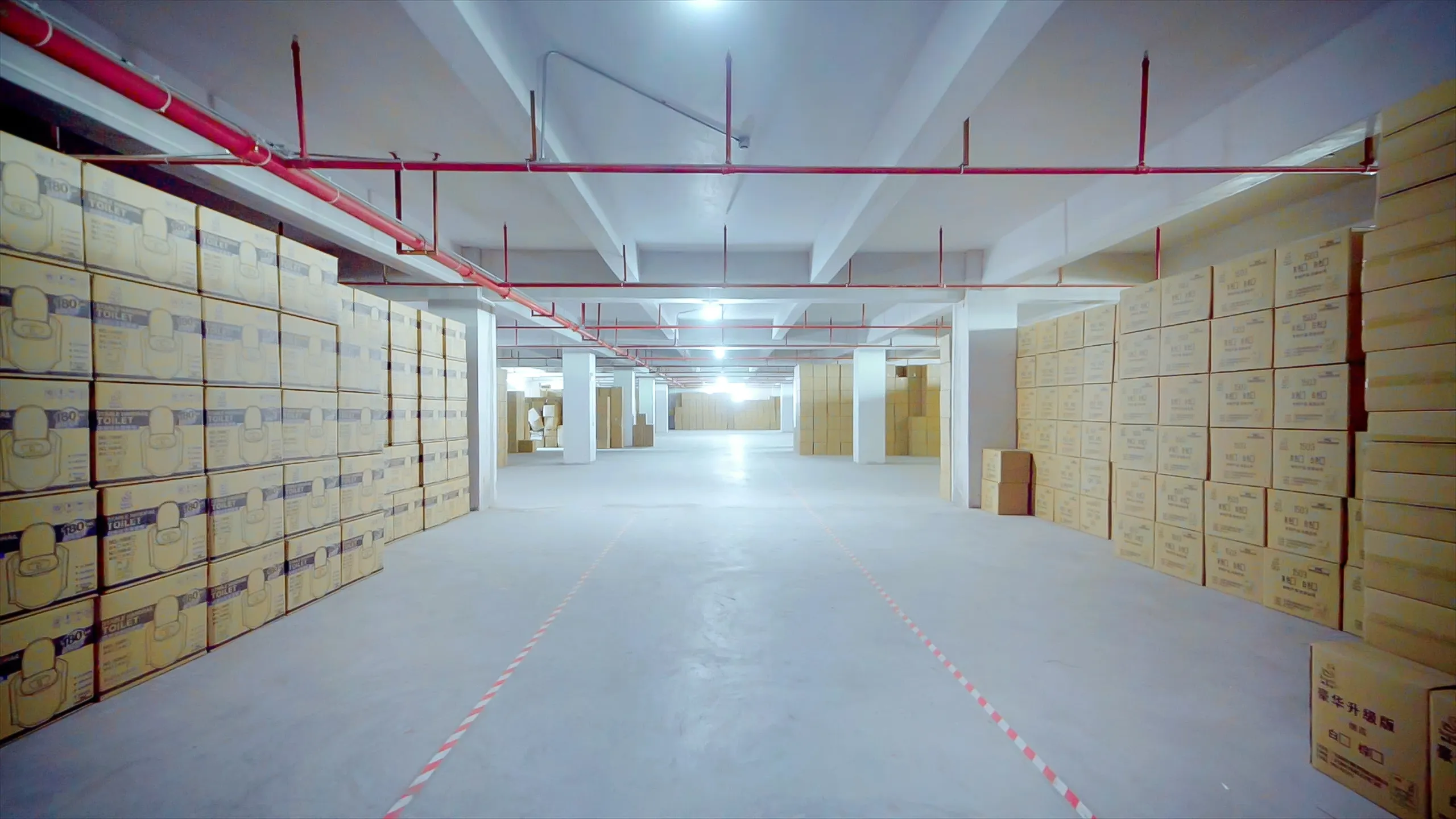
Companies like Xinghui Plasticware, with integrated capabilities in design, mold development, production, and quality control, are better positioned to support your long-term needs. They guide the entire process from concept to mass production and beyond, helping minimize risks and costly misjudgments along the way.