EN
EN  FR
FR  DE
DE  RU
RU  ES
ES  AR
AR  JA
JA  KO
KO 
Safety is the primary concern when brands source products for children and everyday food storage. From a factory standpoint, lunch box safety is the intersection of material choice, structural design, regulatory compliance, and production controls.
In this article, Xinghui, a stainless steel lunch boxes manufacturer, explains why stainless steel is often the preferred option, what limitations to watch for, and how brands should validate suppliers to minimize risk.
Why Safety Matters for Kids’ Lunch Boxes
Children’s products are higher risk: smaller hands, more wear-and-tear, and stricter retail/market requirements. A product failure can lead to injury, recalls, and lasting brand damage. For importers and private-label brands, verifying lunch box safety at the manufacturing level is inevitable.
What Makes Stainless Steel Food-Safe
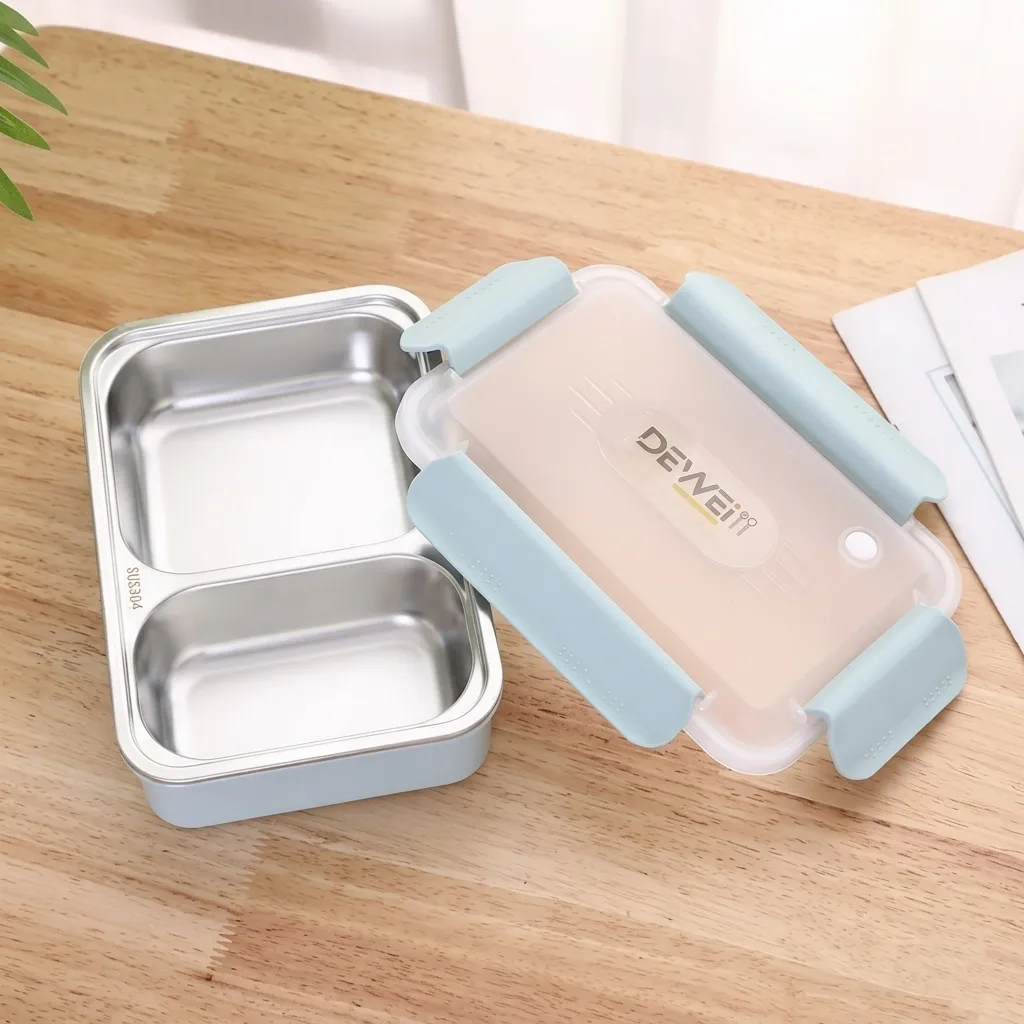
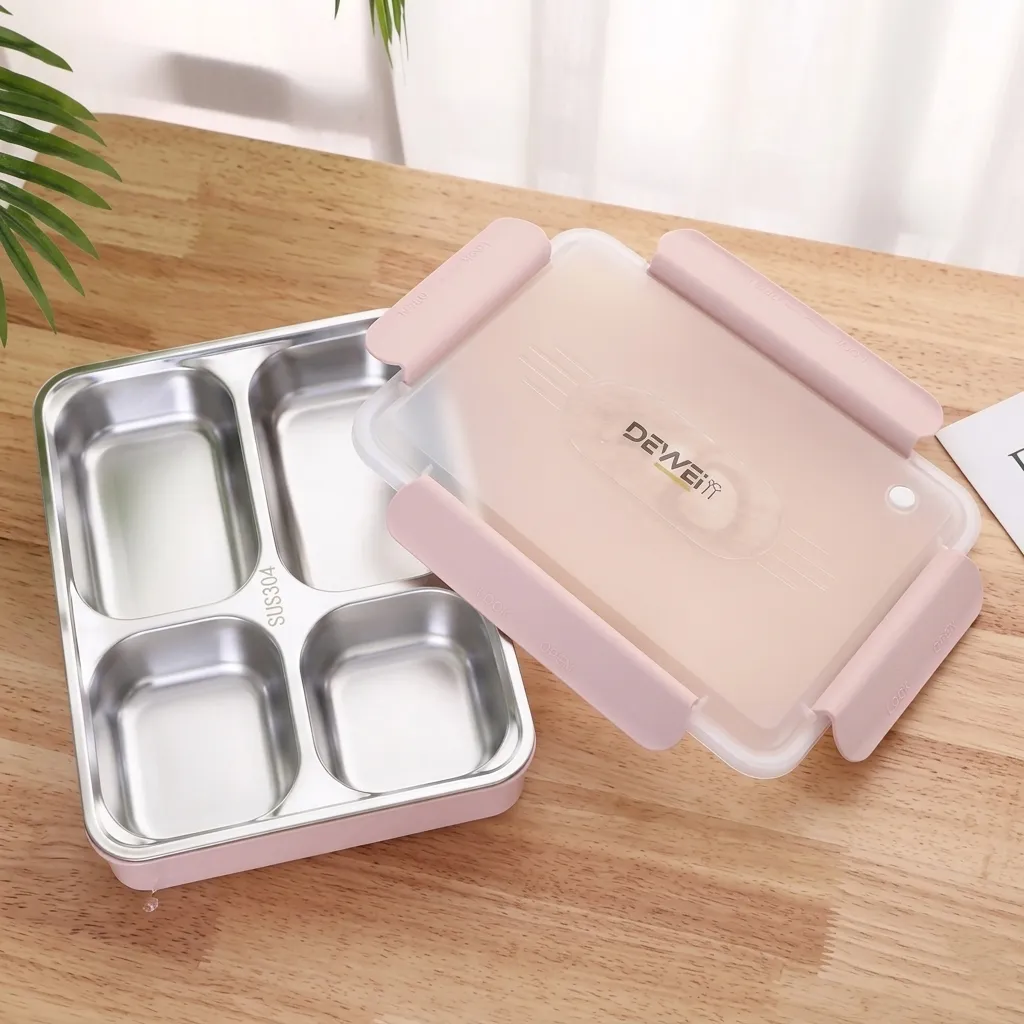
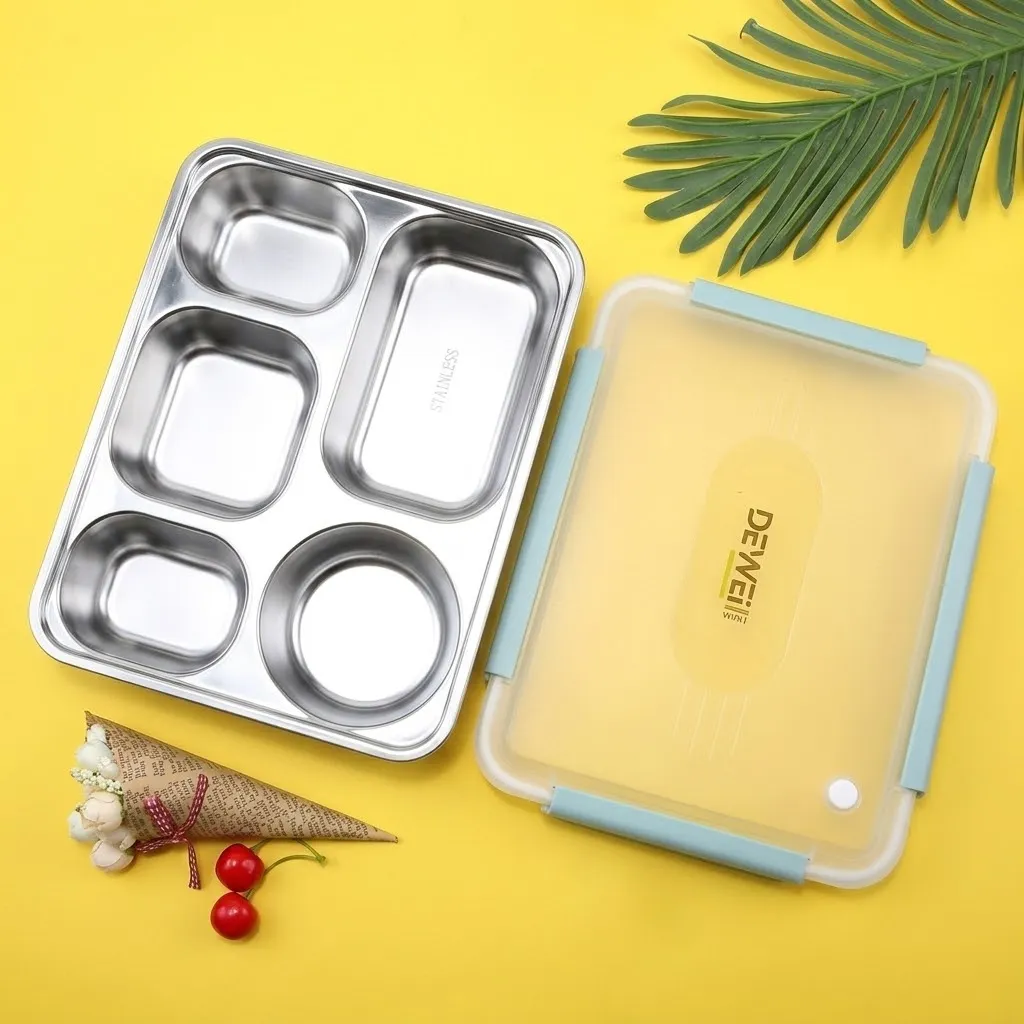
Stainless steel (especially grade 304) is chemically stable and non-reactive with most foods. It does not leach plasticizers or volatile compounds, resists staining, and tolerates repeated cleaning cycles. These properties make stainless steel a strong base material for products where lunch box safety and long-term hygiene are priorities.
Key advantages:
- Inert surface that minimizes chemical migration.
- High resistance to staining and odor retention.
- Durable against mechanical damage compared with many plastics.
Material Grades and Certifications Required
From a procurement viewpoint, insist on material traceability and proof:
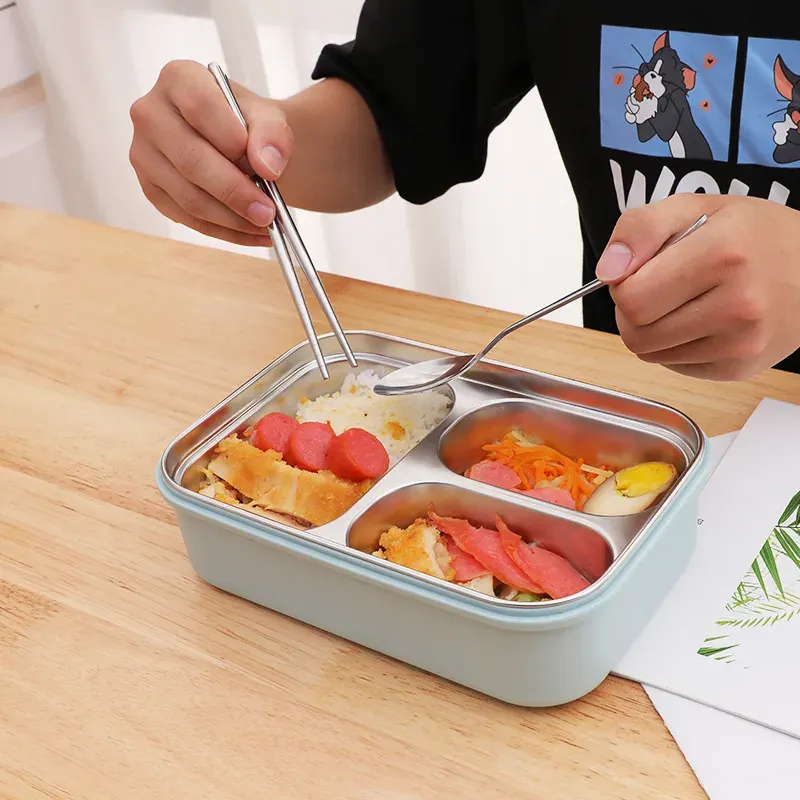
- 304 (18/8): Standard food-grade stainless steel for most lunch boxes. Good corrosion resistance and cost balance.
- 316: Specify only when there is a clear need (coastal markets, heavy salty/acidic use). Higher cost, better pitting resistance.
- Certificates: Require mill CoA for each batch and finished-goods testing. For major markets, request FDA, LFGB, or equivalent migration test reports for finished articles. These documents are central to establishing lunch box safety in export markets.
Structural Safety for Children’s Use
Design details materially impact physical safety:
- Edge finishing: All rims and seams must be rounded or rolled to prevent cuts.
- Lid closure & pinch points: Locking mechanisms must avoid finger pinch risks; test with child-hand models.
- Weight & ergonomics: Use wall thickness and handle designs appropriate for intended age groups; heavy lids or awkward grips reduce safe usability.
- Gaskets & small parts: Use food-grade silicone with secure retention to avoid detachment and choking hazards.
Manufacturers should provide design verification reports demonstrating compliance with toy/child-product safety standards when applicable.
Food Storage Performance in Real Use
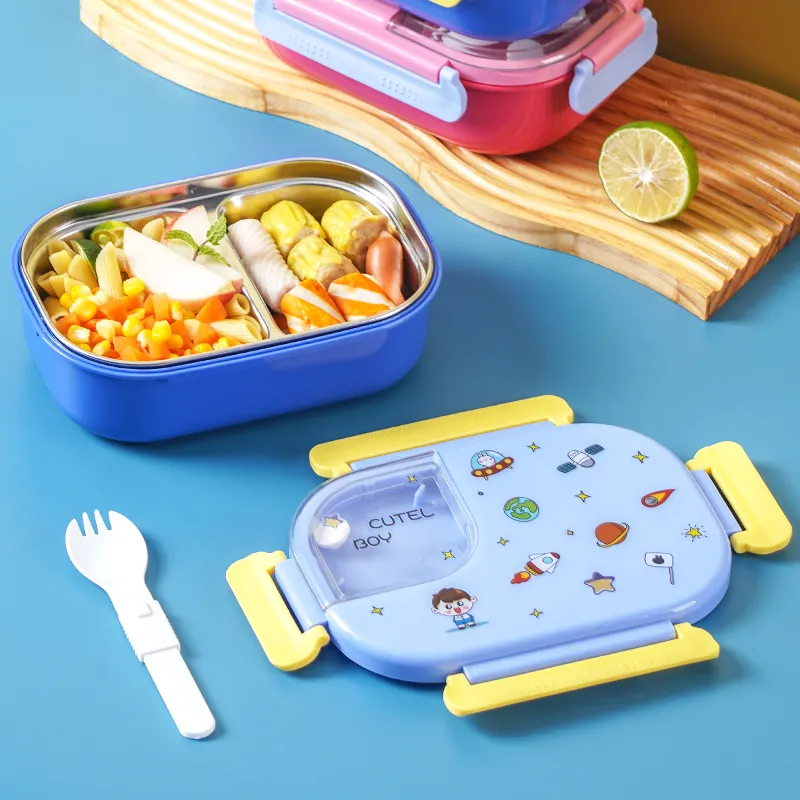
Stainless steel excels at short-to-medium term storage of hot or cold foods:
- Temperature tolerance: Withstands hot foods without deformation; double-wall options provide insulation.
- Odor & stain resistance: Stainless resists common staining; brushed finishes hide minor wear.
- Leak resistance: True leakproof performance depends on lid design and gasket quality—test under pressure and inversion.
From a lunch box safety standpoint, require functional testing for seal integrity and temperature retention, matching your use-case (e.g., soups vs dry snacks).
Hygiene, Cleaning, and Long-term Use
Non-porous stainless surfaces allow effective sanitization:
- Dishwasher compatibility: Most stainless variants tolerate dishwasher cycles; confirm finish-specific limits.
- Bacterial control: Lower Ra (surface roughness) interior finishes reduce residue adhesion and make cleaning easier. Specify Ra targets in RFQs.
- Maintenance instructions: Include clear care labels: avoid abrasive pads for polished finishes, remove gaskets for thorough cleaning.
These practices improve long-term lunch box safety and reduce consumer complaints.
What Stainless Steel Lunch Boxes Are Not For
Be explicit on packaging to ensure lunch box safety while using:
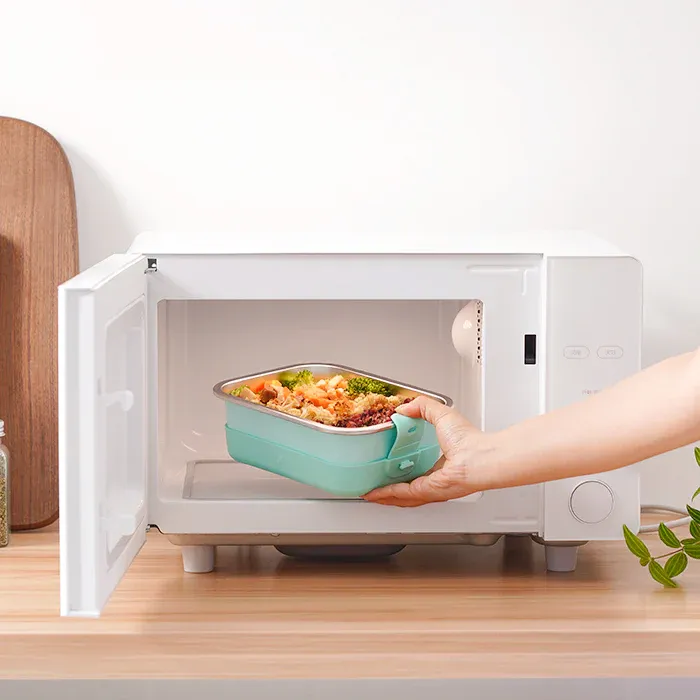
- Not microwave-safe. Stainless steel must never go in a microwave. Unless you are told officially by the wholesaler or the manual book. Misuse risk is a consumer-education issue and a liability driver.
- Long-term storage of highly acidic or salty foods at ambient temperature can accelerate localized corrosion; recommend, refrigeration for such meals.
- Not all finishes are equal. Thin decorative coatings or poor passivation can fail; insist on finished-goods testing.
Labeling and instructions are part of the safety architecture—don’t skip them.
Common Manufacturing Mistakes That Undermine Safety
From our production experience, common pitfalls include:
- Using non-food-grade gaskets or adhesives in visible contact areas.
- Skipping post-weld passivation—leading to early rusting.
- Accepting samples without requiring pilot-run validation for finish consistency.
- Missing batch CoAs for incoming stainless stock.
Each of these can erode lunch box safety and create downstream recall risk.
Manufacturer Recommendations for Brand Buyers
To secure a safe, compliant product supply, request the following from factories:
- Mill CoA for each stainless batch and finished-goods passivation report.
- Detailed spec sheet: material grade, wall thickness, Ra targets, gasket material.
- Functional tests: seal inversion test, thermal retention, dishwasher cycles.
- Third-party migration and safety reports (FDA/LFGB) for finished units.
- A pilot production run followed by first-article inspection and photographic evidence.
Treat the factory as a technical partner: clear specifications and acceptance criteria create predictable outcomes.
Conclusion
We can claim that a stainless steel lunch box is definitely safe when it was produced legally. Stainless steel offers strong inherent benefits for lunch box safety, especially versus many plastics and coated alternatives. The difference between safe and problematic products comes down to design details, material traceability, and rigorous factory QA. For brands and distributors, enforcing these controls at the RFQ stage is the most effective way to protect consumers and your brand.
About Xinghui
Xinghui is a specialized lunch box manufacturer supplying wholesale stainless steel lunch boxes and flexible custom lunch box solutions. As a factory-based supplier, we operate under internationally recognized lunch box safety standards and maintain strict compliance across all production stages.
Whether producing plastic lunch boxes or stainless steel lunch boxes, our manufacturing approach prioritizes material safety and product integrity. From children’s daily use to general household applications, every lunch box is engineered to meet clear safety requirements, ensuring dependable performance and long-term user confidence.